I’m already interested in the Moon for only about a million reasons.
It moves our oceans, lights up the garden, and gives people an excuse to stand outside pointing at something beautiful. The thing is, it’s also been given a position on the wine team. According to a biodynamic calendar for wine drinkers, the day you open a bottle can influence how well the wine tastes.
Now THAT got my attention. I spend a pretty decent amount of my life thinking about what’s happening in a glass, and I like a good mystery with a specific claim attached. If somebody tells me the same Pinot Noir will show itself differently depending on the Moon’s calendar, I immediately want the calendar, the Pinot, and enough information to figure out what we’re comparing.
Before I assign my next disappointing glass to a celestial scheduling problem, though, I want to know what researchers actually found.
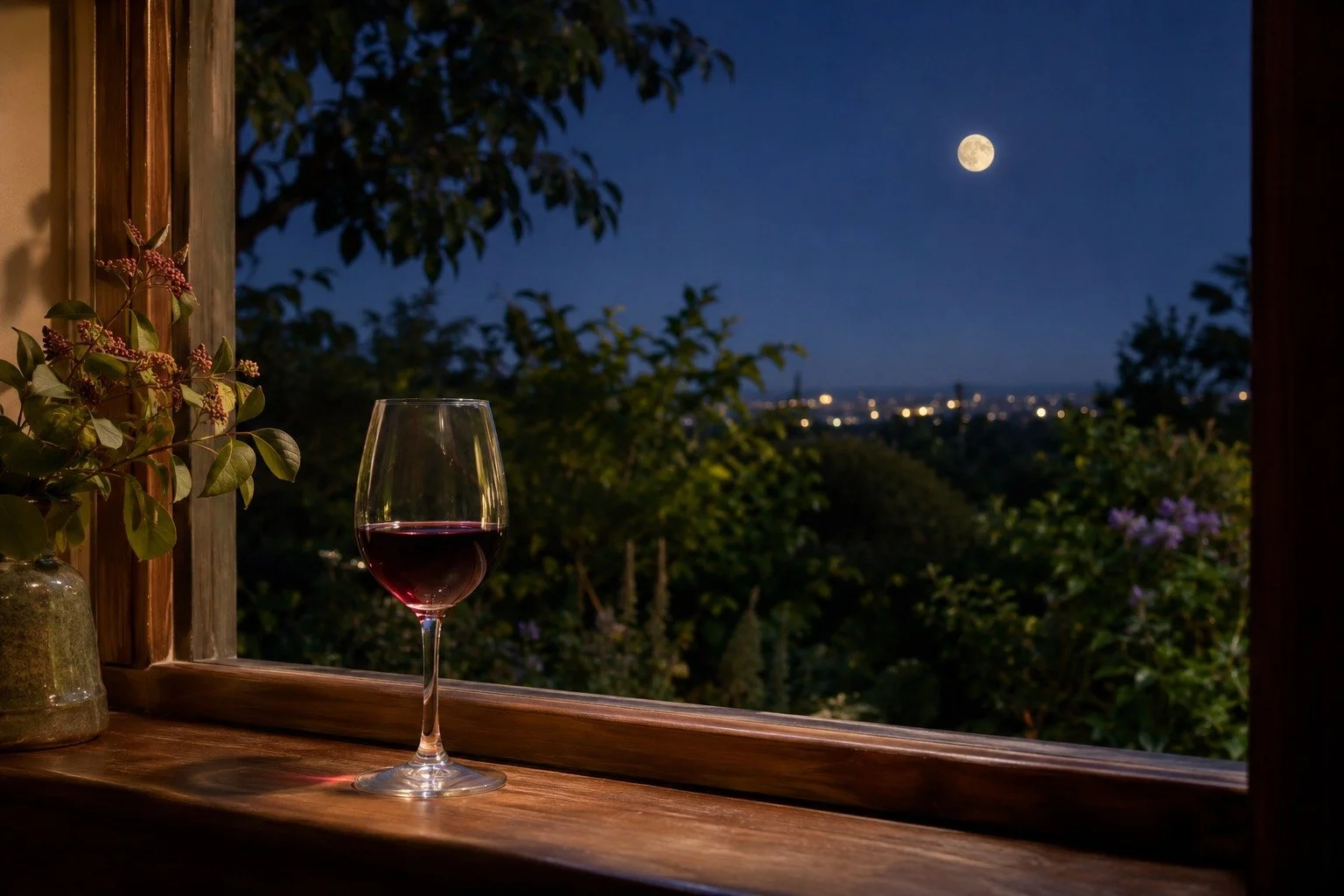
The Moon Has Been Scheduling Tastings
This whole interesting calendar comes out of the biodynamic tradition associated with Maria Thun. Her publisher, Floris Books, describes the division into Fruit, Flower, Leaf, and Root periods and the later wine-drinking calendar.
The tasting advice gives favorable billing to Fruit and Flower periods, with Root and Leaf periods treated less enthusiastically.
These are calendar categories connected with the Moon’s movement through the zodiac constellations. They’re different from just looking up and noticing whether tonight’s Moon looks full or crescent-shaped. A full moon and a Fruit day therefore describe different things. I wanted to give the idea a fair look, because testing one claim while tracking something else would give us a very confusing evening.
I can absolutely see why this appeals to people who enjoy wine, especially those who like the zodiac idea of things. I’m a libra in case I hadn’t mentioned it yet this post. Wine begins with plants, weather, soil, and seasons, then spends years changing before it reaches the table. The possibility that there’s one more layer to pay attention to fits comfortably into that sense of connection.
I still want to know whether the particular tasting prediction holds up.
Biodynamic Farming and This Tasting Claim Are Different Questions
We can ask how a vineyard is farmed, what that does to the vineyard ecosystem, and what ends up in the fruit, and we can also ask whether an already bottled wine tastes systematically better during a particular calendar period. Those questions all have a bunch of different factors and need their own evidence.
A beautiful bottle from a biodynamic grower can be beautiful for all sorts of reasons.
I want to know about the grower’s decisions and the wine in front of me, while keeping a claim specific enough to test. Otherwise, a discussion about one glass can somehow turn into an argument about an entire philosophy, and we still haven’t decided whether dinner needs another pinch of salt.
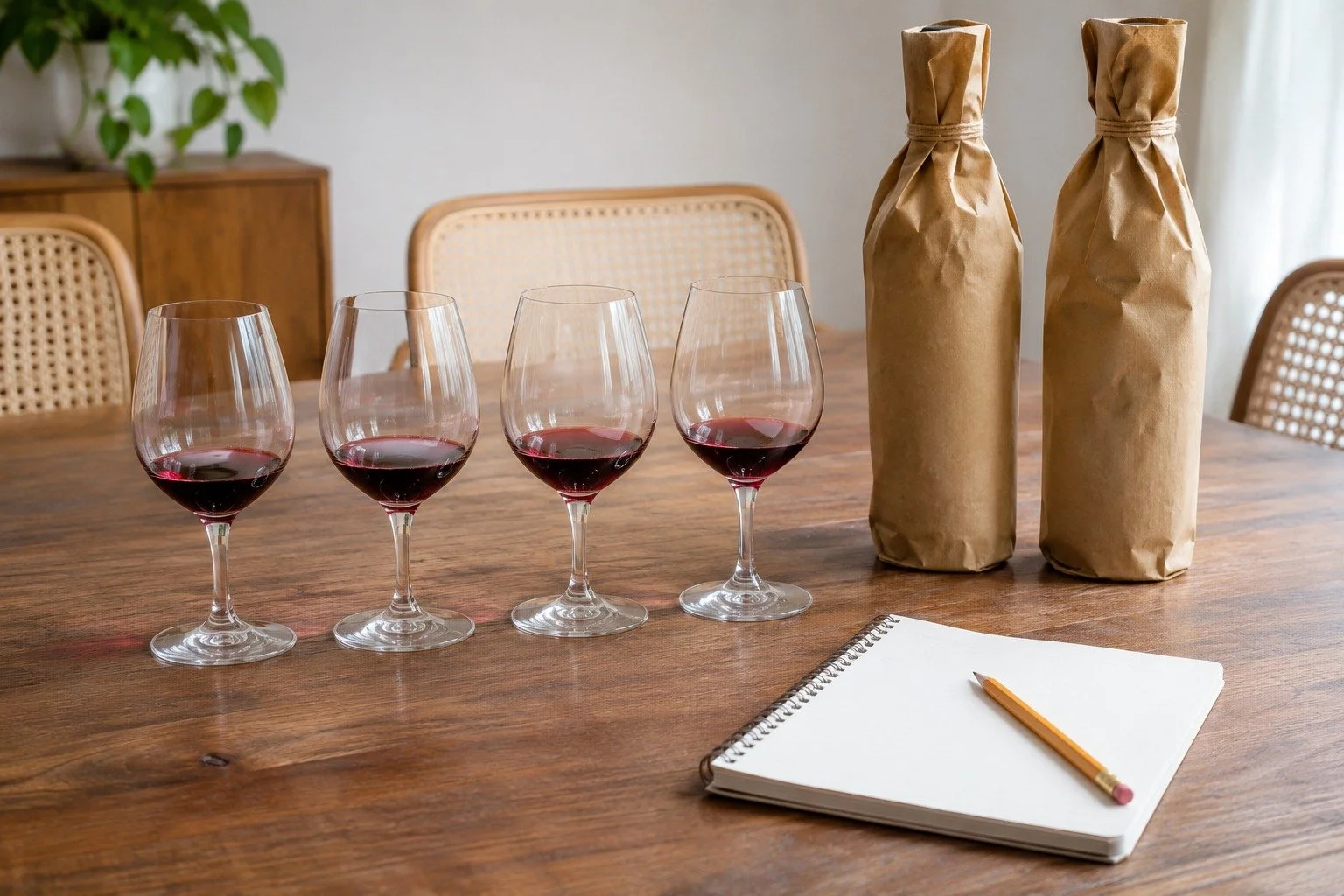
Nineteen Wine Professionals Actually Tested It
In a 2017 PLOS ONE study, Wendy Parr and colleagues asked 19 New Zealand wine professionals to blind-taste 12 Pinot Noirs. Each wine was rated four times, twice during a Fruit period and twice during a Root period, using 20 descriptors covering aroma, taste, texture, quality, and liking.
The wines differed from one another, but the type of day produced no systematic effect on the characteristics evaluated. That’s a useful result for this particular claim.
It also has a defined scope, with a modest group of tasters, one grape variety, and the conditions the researchers used. It gives us evidence about that test, rather than an answer to every possible question involving the Moon and agriculture.
What I appreciate is that somebody took an idea people were already discussing and made it testable. They poured wine, collected judgments, and compared the results, which is much more interesting to me than an argument where everybody simply announces how certain they feel. It also leaves room to ask better questions if a future experiment finds something unexpected.
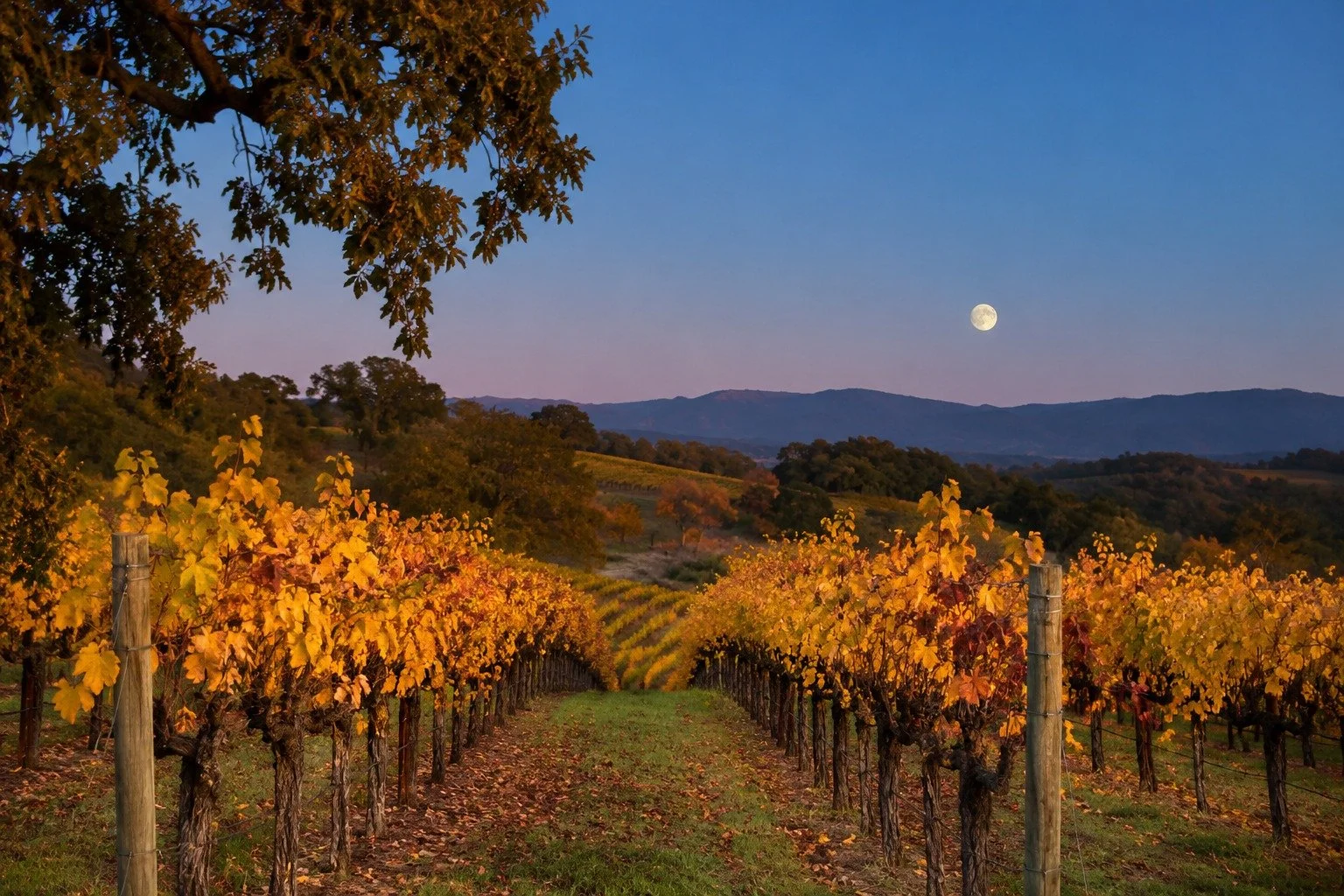
Here’s How I’d Give the Wine a Fair Chance
If I was waiting for a full moon to test this out, I’d choose one Pinot Noir and buy matched bottles of the same producer, wine, and vintage from the same source, then store them together. One pair would be opened during a confirmed Fruit window and another pair during a confirmed Root window. Fresh bottles matter here becauae an already opened bottle changes with time and oxygen, so carrying it from one date to another would add a fairly obvious complication.
I’d ask somebody else to handle the calendar and code the samples, then taste indoors under similar conditions before looking up which period it was. The same glasses, similar serving temperature, similar time of day, and the same time between opening and tasting would give the comparison a better chance. Food and strongly scented surroundings would get their own attention too. This is where Zak comes in handy so I’m not biased about or know what I’m trying when.
For notes, score fruit intensity, acidity, tannin, overall liking, and whatever aromas stood out before discussing the wine with anyone else. A second coded pour from the same bottle would also be useful. If my descriptions change substantially within the same sitting, that variation belongs in the conversation alongside any difference between dates.
Keep the pours small, use a spit cup, and repeat the comparison across more than one pair of calendar windows.
Even then, a home tasting could suggest a pattern worth investigating while leaving plenty of uncertainty. Bottle variation, the people tasting, and the conditions are all potential influences. I’d want a pattern that survives repetition before assigning the explanation to the sky.
That’s why testing this is soooo difficult. Too many factors play a part in this from if someone stubbed their toe on the way over and it put them in a bad mood to someone brushing their teeth with different toothpaste.
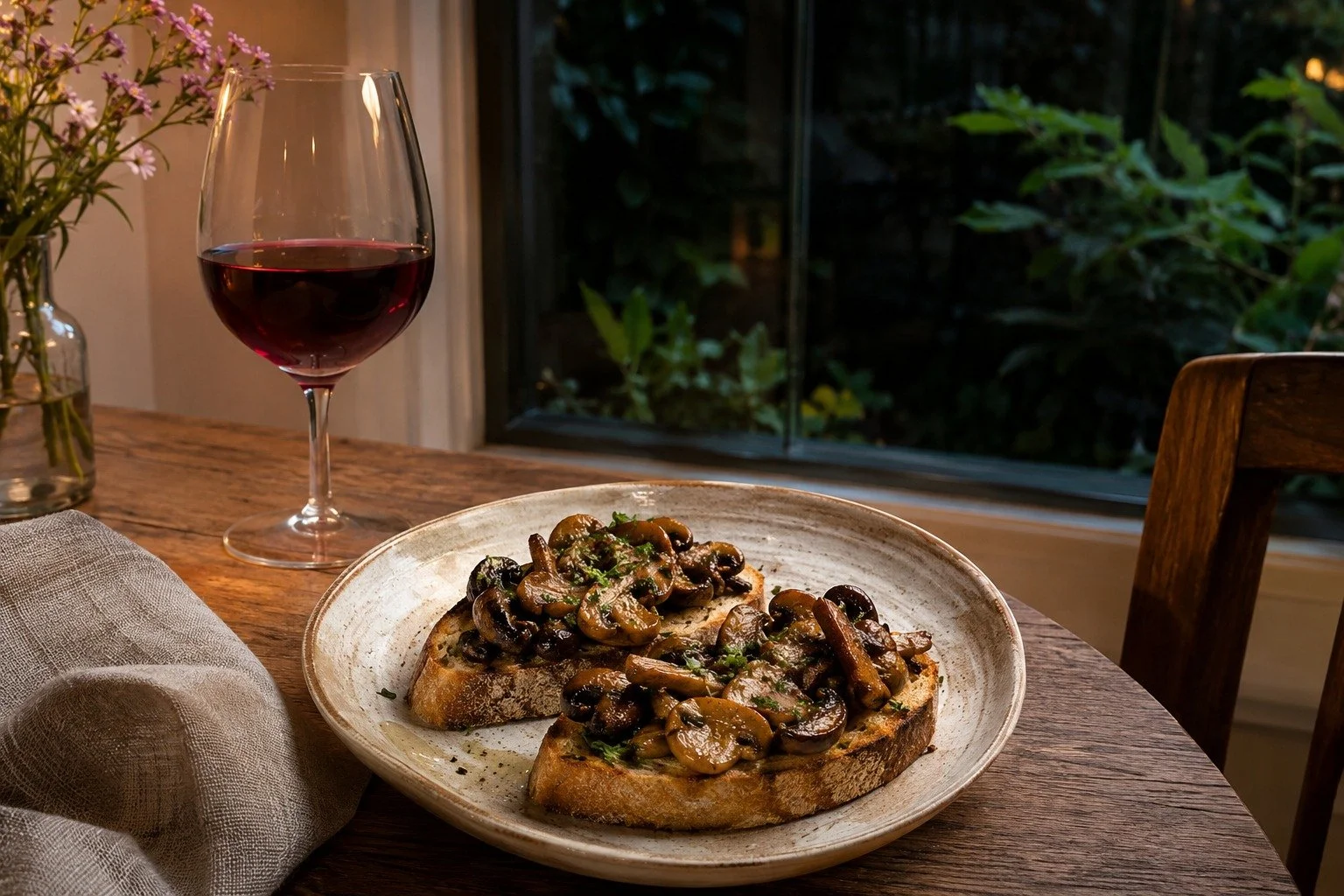
A Lovely Glass Can Still Depend on the Evening
For me, this is the part that makes wine endlessly interesting. There’s a physical drink in the glass, and there’s also a person encountering it in a particular place, with a particular meal and a whole day already behind them. I know how much attention goes into serving temperature, glassware, and what the guest is eating when I’m working. Those are practical places to start when a wine seems different.
And there’s room for enjoying the Moon without needing it to explain the tannins. Roast mushrooms on toast and a fresh glass of Pinot Noir would make a very pleasant dinner before heading outside for a look. The sky can supply the spectacle, while the food and wine provide their own perfectly good reasons to enjoy the evening.
I’m Keeping the Curiosity
The published tasting study gives me a good reason to be cautious about expecting the calendar to improve a bottle, but the comparison still interests me because it makes me pay closer attention to how I judge wine and how easily an appealing explanation can arrive before the evidence does.
I rather like questions that make me examine my own assumptions too.
For now, I’d choose a bottle I’m curious about, serve it thoughtfully, and let the glass tell me what it’s doing. If December’s Moon happens to be enormous and beautiful outside the window, that sounds like an excellent addition to the evening. I’m perfectly happy to let it be good at being the Moon while we keep working on the tasting question.
A few plain bottle bags for blind tastings would make the coding easier. I’d have somebody else cover and number the bottles, then keep the notes separate until everybody had finished describing the wine.