My dad sent me a story today about microbiologists putting Salmonella into eggnog, and I couldn’t have approved of this trial more than I do.
First of all, you know when you’re sick and your friend in college said it was fine to share drinks with them because the alcohol killed everything? Can’t tell you how many times I was burnt with that.
I don’t know who volunteered their holiday drink for this Salmonella assignment though, because eggnog already has enough going on without a deliberate bacterial addition.
Of course, the whole question behind this is one I've heard before. Does the alcohol in homemade eggnog take care of the raw eggs? A splash of bourbon sounds reassuring when somebody says it confidently, but I wanted to know what had actually been tested. Culinary school gave me an appreciation for both custard and the things that can go terribly, terribly wrong with it.
The story led me to a Rockefeller University laboratory, a recipe connected to a remarkable bacteriologist, and an experiment that became a little more complicated than the party version of the explanation. The practical answer for my kitchen is to use pasteurized eggs or a properly cooked egg base.
The research story is still a very good one.
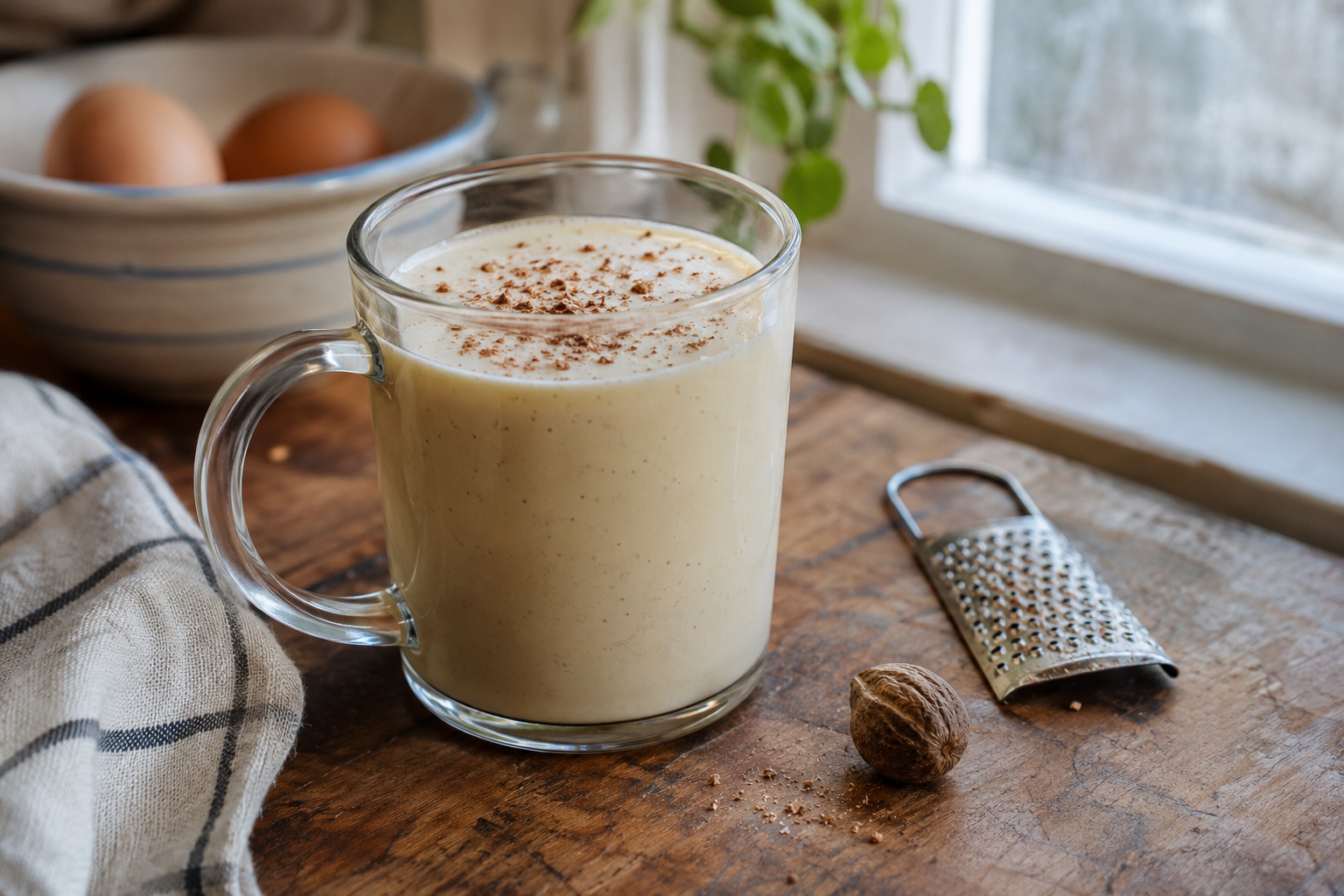
The Scientists Had a Very Specific Eggnog
Rockefeller's Vincent Fischetti and his colleagues had a longstanding eggnog tradition when Science Friday came calling.
The recipe was associated with bacteriologist Rebecca Lancefield, and it included eggs, cream, bourbon and dark rum. They made the mixture around Thanksgiving for a holiday gathering weeks later, according to Science Friday's conversation with Fischetti.
I love that the laboratory had an eggnog tradition in the first place by the way. Scientists spend so much time appearing in our lives as a headline or a stern sentence about something we should refrigerate.
The recipe matters, though. A particular mixture, mixed in a particular order and held under particular conditions, is what the researchers examined. Changing the recipe changes the question and the bourbon somebody pours into an already finished cup doesn't automatically inherit the results from a laboratory's much stronger batch.
The First Test Had an Interesting Complication
In its 2008 report, Rockefeller described testing homemade alcoholic eggnog alongside a store-bought version without alcohol. The lab found no bacterial growth in its homemade sample under the test conditions. The commercial sample grew bacteria the researchers considered likely to be ordinary, harmless dairy bacteria. Whatever that means.
Then they deliberately added a very large amount of Salmonella. After 24 hours, that alcoholic mixture still contained surviving bacteria. Fischetti said the dose was around 1,000 times what might be encountered in a contaminated egg, and emphasized that more testing under realistic conditions would be needed to settle safety of course, but they wanted something to go off of.
That's the part I'd keep attached whenever this story gets passed around. The comparison also involved two different products, so I'd be careful about turning it into a verdict on every carton of grocery-store eggnog. Detecting bacteria and demonstrating a dangerous product are for sure separate things.
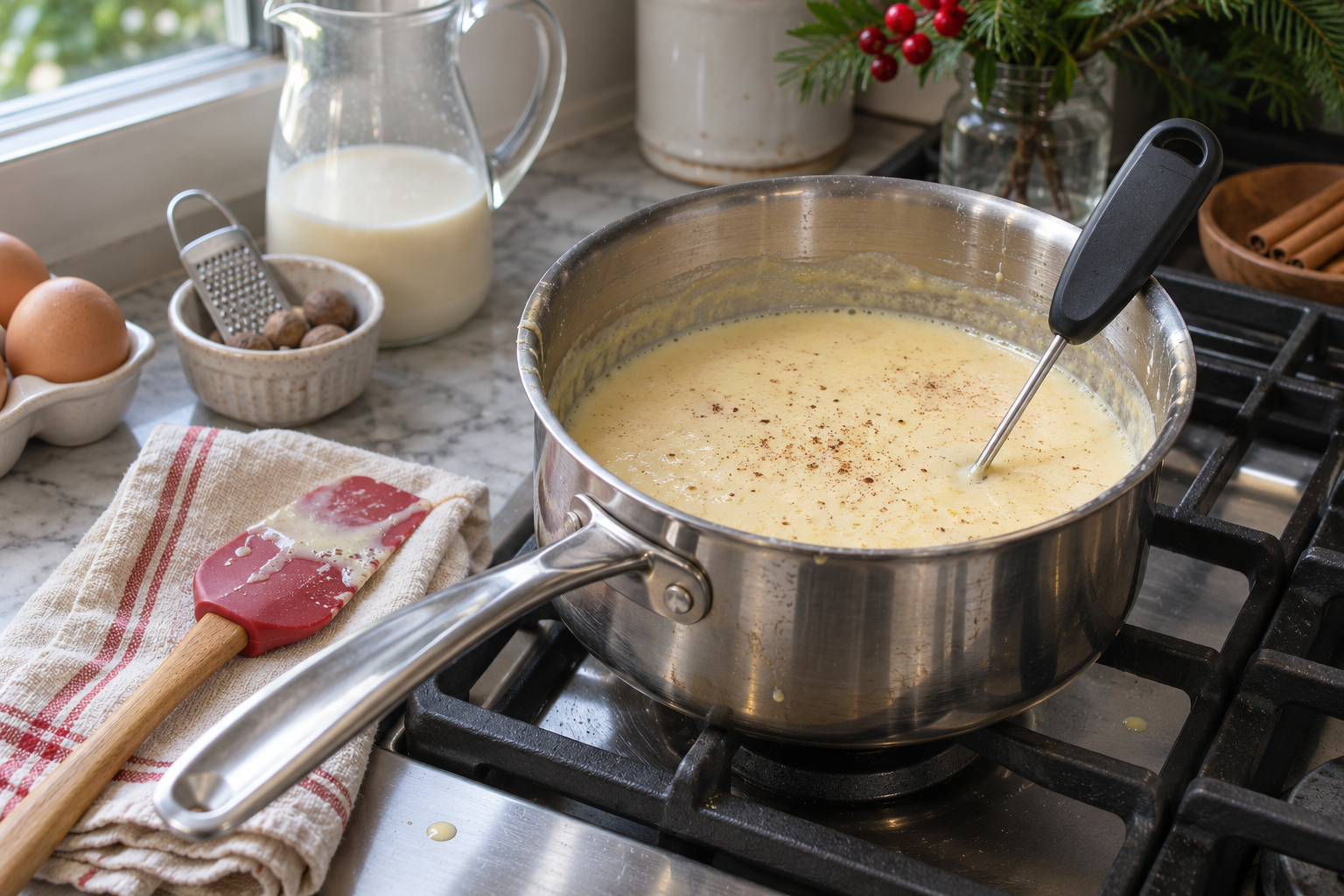
Time Was Part of the Experiment Too
Science Friday later revisited the work. Its 2024 discussion describes a small follow-up experiment in which deliberately contaminated eggnog was followed over time. Fischetti explained that bacterial killing happened gradually, and that alcohol concentration and direct contact mattered. He also said they hadn't directly tested whether a less boozy version would behave the same way.
A result that depends on the mixture and the time involved needs both of those details to travel with it. I can appreciate a fascinating finding and still want a much more established method for something I'm handing to friends and family. Once a holiday drink has become a microbiology project, I'd prefer the laboratory to handle that portion of the evening.
It also reminds me how easily we shorten a story. Someone tests a specific batch under specific conditions, and several retellings later the explanation has become “alcohol kills everything.” The details are where most of the useful information lives…they're also what made me interested enough to read about eggnog for this long.
What I'd Actually Do in My Kitchen
The FDA specifically advises against relying on the alcohol in eggnog to kill bacteria from raw, unpasteurized eggs. I'd look for eggs or egg products marked pasteurized if I were using a recipe with an uncooked base. A carton saying “fresh” or “organic” answers a different question, so I'd read the actual pasteurization wording.
A cooked version is another option.
The FDA's holiday guidance includes a cooked eggnog recipe that brings the egg mixture to 160°F, followed by prompt chilling. I'd follow a tested recipe's full directions and use a food thermometer to check the mixture just to be absolutely sure. My enthusiasm for custard is considerable, but it’s never given me the ability to read temperature by staring at a saucepan.
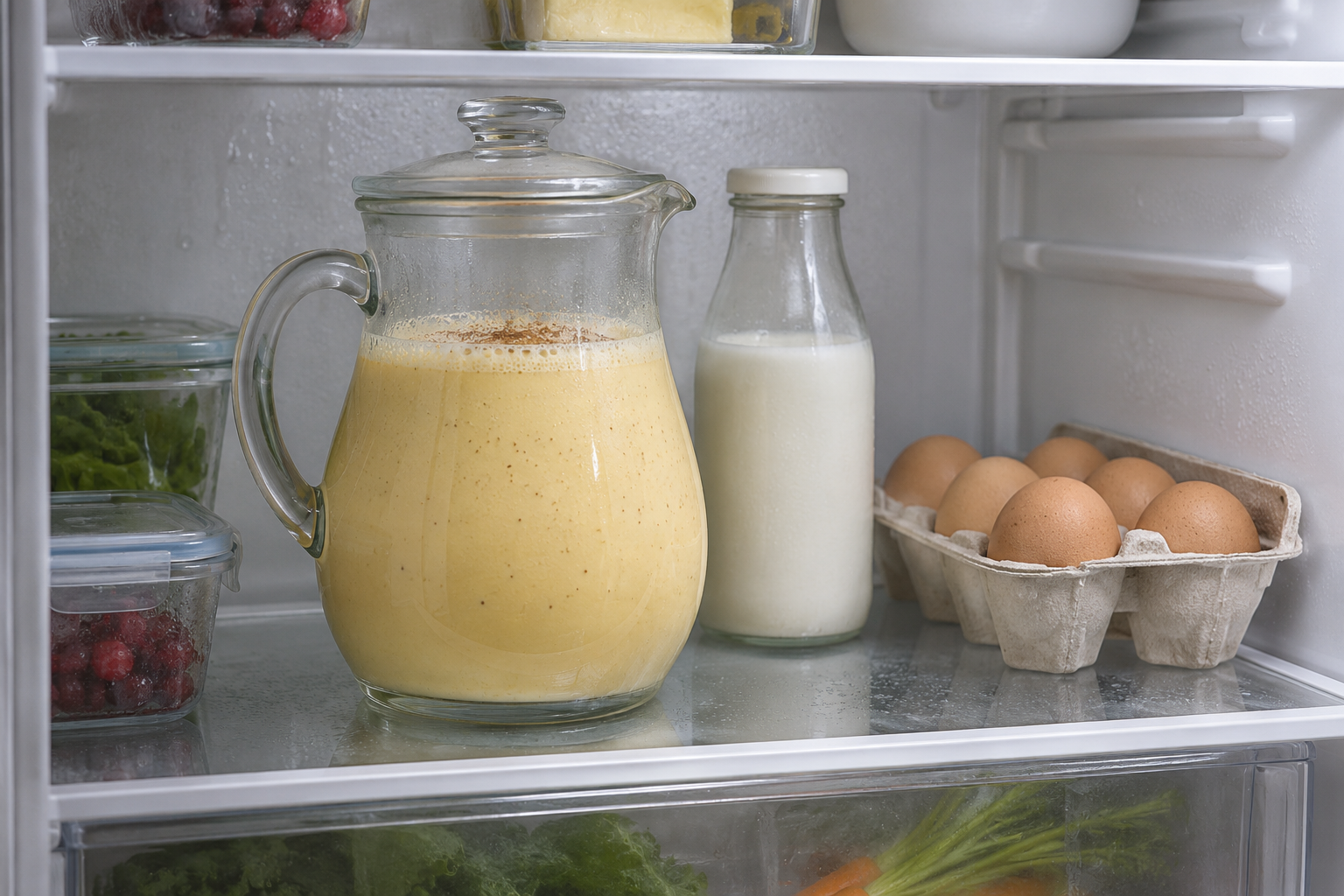
Keep the finished drink refrigerated and put out modest amounts at a time. Guidance calls for cold storage at 40°F or below and refrigerating perishable food within two hours. That makes a small serving pitcher much more appealing to me than an enormous bowl spending the entire party next to the cookies.
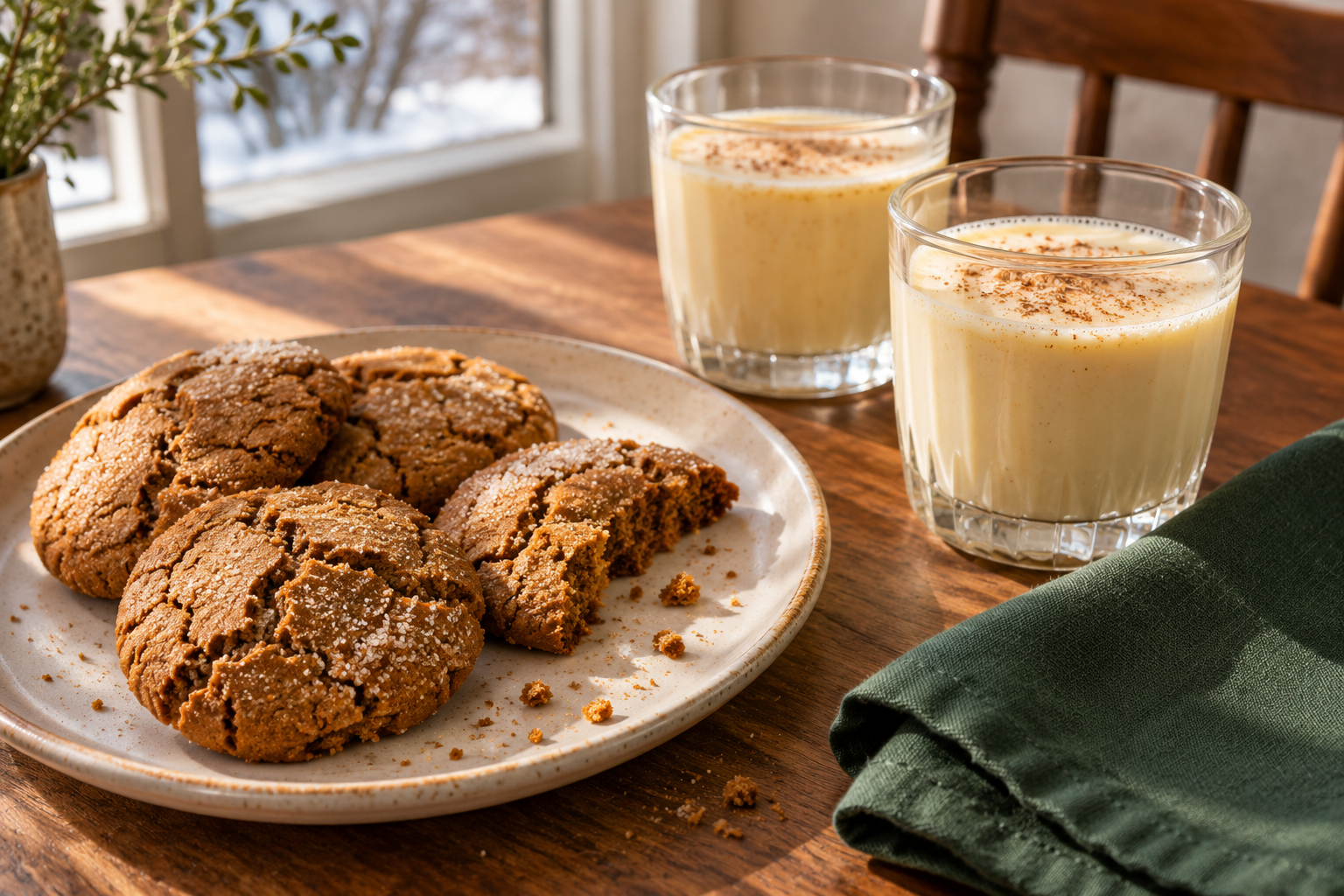
The Nutmeg Still Gets to Be the Fun Part
Once the preparation is sorted out, I'd be very happy talking about the parts we actually choose for pleasure. How much nutmeg do you like? Do you prefer a lighter texture or something closer to melted ice cream? I’m a fan of the ice cream myself.
I adore this story about holiday food, scientists, and something snacky. I’m glad people are out there wondered about a claim people repeat, then actually tested it. For the batch on my own table, I'll take care of the eggs and let the bourbon make its contribution to the flavor.
My Eggnog Recipe:
Makes about 6 small servings
6 large egg yolks
½ cup granulated sugar
2 cups whole milk
1 cup heavy cream
½ teaspoon freshly grated nutmeg, plus more for serving
Small pinch of salt
2 teaspoons vanilla paste
Optional: ¼ cup bourbon and ¼ cup dark rum
Whisk the yolks and sugar in a bowl until slightly lighter and creamy, somewhere about a minute.
In a saucepan, heat the milk, cream, nutmeg, and salt over medium-low heat until steaming. Be sure to keep it below a boil.
Slowly whisk about a cup of the hot milk mixture into the yolks. Pour everything back into the saucepan.
Cook over low heat, stirring constantly and scraping the bottom, until the mixture reaches 160°F on a food thermometer. It should lightly coat a spoon; avoid boiling it. That temperature follows FDA guidance for cooked eggnog. FDA
Remove from the heat, strain into a clean heatproof bowl, and stir in the vanilla. Set the bowl in an ice-water bath and stir to cool it quickly.
Stir in the optional bourbon and rum, cover, and refrigerate for at least 4 hours, preferably overnight. Whisk before serving and grate a little nutmeg over each glass.
My preference: use both spirits—the bourbon brings vanilla and oak, while the dark rum adds a deeper molasses character. If it thickens more than you like overnight, whisk in a splash of cold milk.