I learned that fresh cranberries bounce, and immediately had to buy some to try it.
I mean, how else was I supposed to find out how high they could bounce? Then of course, the inevitable: but why? I mean, did you realize that a bag of tiny red sporting equipment was sitting in the produce department? Thanksgiving comes with a physics demonstration if you know which ingredient to drop (literally).
The really entertaining part in all of this is that people figured out how to make that bounce useful. A berry’s ability to spring back from a hard surface became a way to help sort a harvest. Somewhere between the plant science and the machinery, there’s also a story about a New Jersey grower sending cranberries down a flight of stairs. Soooo, of course you’re going to hear all about it.
My sommelier brain even got involved in the end, because cranberry sauce has a rather large personality for something served in such a small dish. It brings tartness, sweetness, and bright fruit to the same bite, often alongside turkey, gravy, and about fourteen things somebody insists are essential family traditions even if they taste like mush. Pairing cranberries was a much more fun time than the turkey this year for me though.
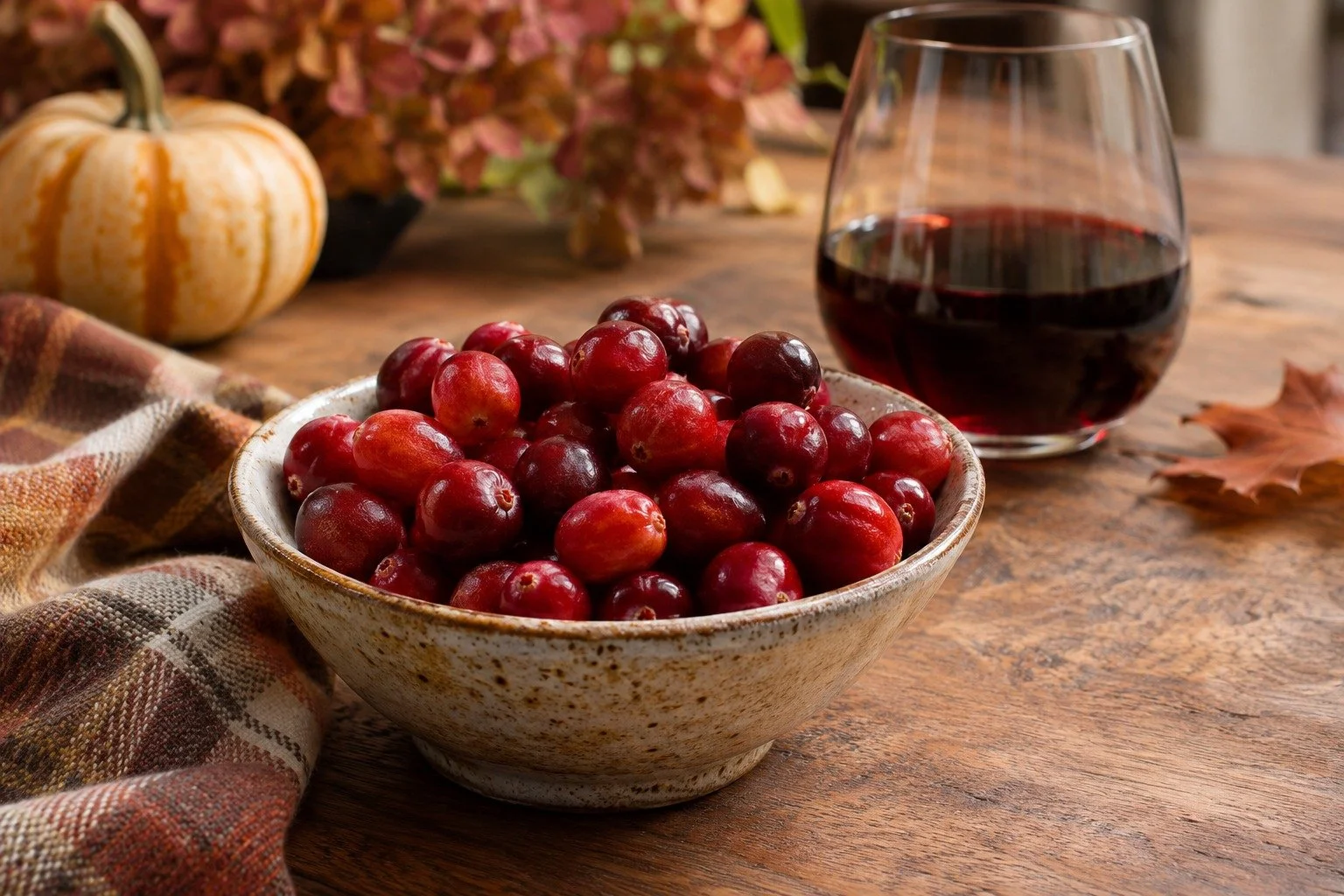
A Cranberry Comes With Its Own Little Air Supply
Cut a cranberry across the middle and you can see the chambers inside it. The Cranberry Marketing Committee says that the four air chambers help the fruit float, which is part of what makes those spectacular red-covered harvest pictures possible. Flood a bed for a wet harvest, loosen the berries, and the floating fruit becomes a whole bunch easier to collect.
The bounce involves the berry’s intact, firm structure as well. Oregon State’s cranberry guide (lol) describes the firm skin holding the air pockets, giving a sound berry its springiness. As fruit becomes damaged or deteriorates at all, it generally bounces less well. I love that such a small fruit has a quality-control feature you can observe with a countertop.
For a look at both of these fun little features, cut one fresh berry and gently drop another onto a clean, hard surface. Use a tray to keep your experiment in the kitchen, because I’m going to forewarn you just how quickly the dog could become involved in retrieving the equipment.
Treat the bounce more as an interesting sign of firmness and condition; a berry still deserves the usual visual inspection before it joins dinner.
For the bounce experiment, I’d use a small rimmed tray on the counter. It gives the berries somewhere to land and gives me a much better chance of keeping the investigation away from the dog.
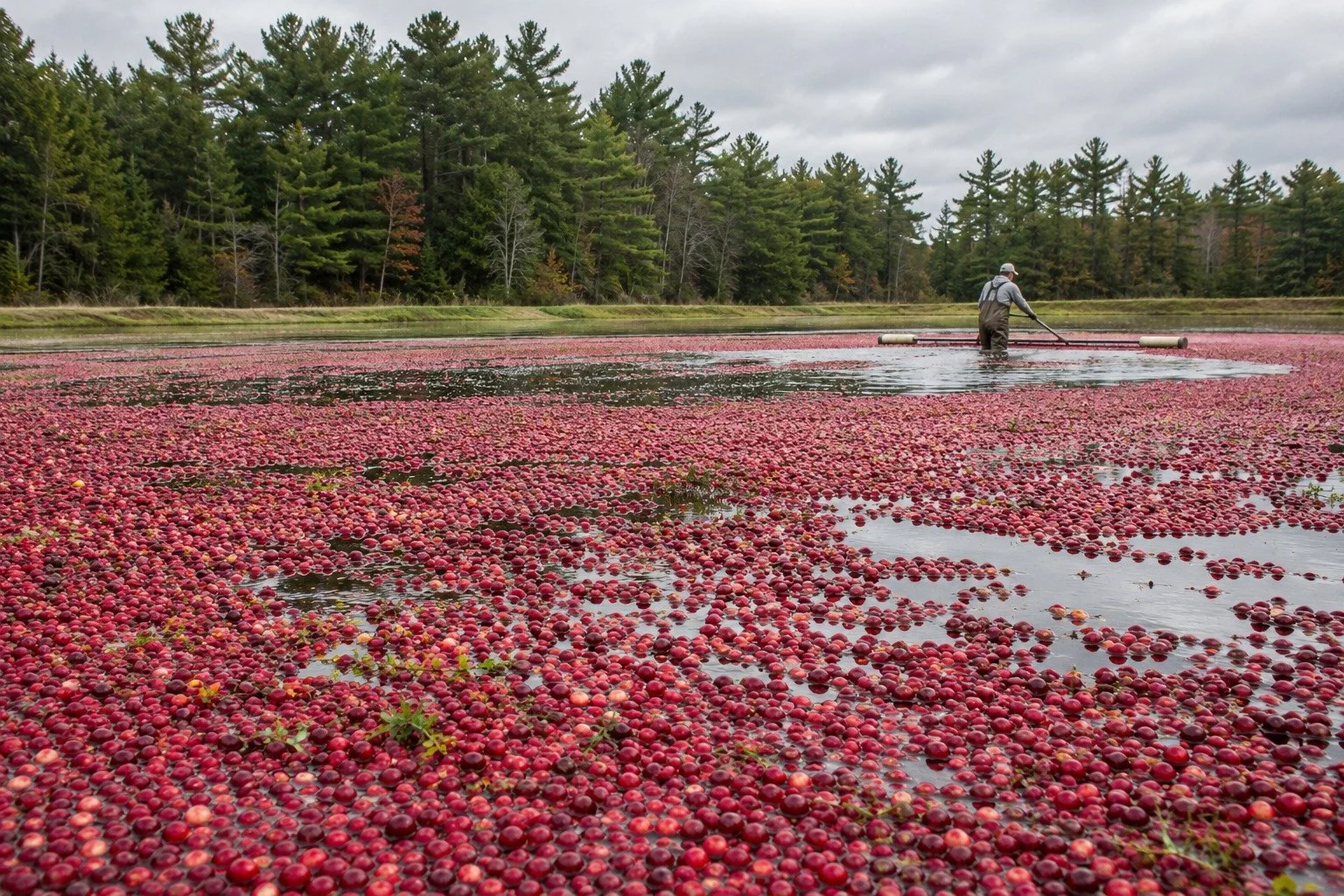
The Beautiful Red Harvest Has Given Us the Wrong Idea
Cranberries grow on low vines in specially managed beds. I looked this up because obviously I wanted to grow my own at some point.
The water in those famous photographs is part of the farming and harvesting system, rather than a year-round cranberry aquarium. The committee I found online describes beds with layers including sand, peat, gravel, and clay, and explains how harvest flooding creates that familiar floating-red surface.
I spend enough time negotiating with whatever is eating my garden to appreciate a plant trait that makes a grower’s job easier. If my figs could organize themselves into a conveniently collected floating group, I’d be very interested in discussing the arrangement.
The Grower Who Supposedly Let the Stairs Do the Work
Oregon State’s guide repeats a legend about John “Peg-Leg” Webb, a cranberry grower who found carrying baskets downstairs difficult because of his wooden leg. I already adored this tale because someone is called “Peg-Leg” in it and suddenly it’s a pirate story in my mind.
In the story, he pours the berries down from his barn loft. The firm fruit reaches the bottom, while the damaged fruit behaves considerably less athletically and stays behind.
It’s a memorable explanation for noticing the difference, although the guide itself calls it a legend. The surviving machinery record is interesting in its own right. An 1875 cranberry-separator patent describes good berries bounding onto a different path while imperfect ones slide downward. Whatever the exact history of that barn staircase, bouncing fruit was useful enough for somebody to design equipment around it.
Somebody watched a berry do an ordinary little thing, paid attention to which berries did it best, and turned the observation into a practical idea. There are probably discoveries waiting in all sorts of things we currently regard as kitchen messes. I’d still prefer to keep this particular investigation inside a tray though.
Cranberry Sauce Gives the Wine More Than One Thing to Meet
When I’m pairing the sauce, I think about the whole recipe.
A tart, lightly sweetened cranberry relish has a different effect from a very sweet sauce, and orange peel, ginger, or warm spices change the conversation again. The bite matters too. A little cranberry beside turkey and stuffing is a different pairing from eating a spoonful of sauce by itself.
My starting point is freshness, generous fruit, and a sweetness level that suits the dish. Sugar in food can make a dry wine seem sharper and less fruity, so the sweeter the sauce, the more interested I become in a wine with a little sweetness of its own. With a modest spoonful on a savory plate, a bright, fruit-forward red can be lovely.
Thanksgiving gives us permission to taste the combination and adjust.
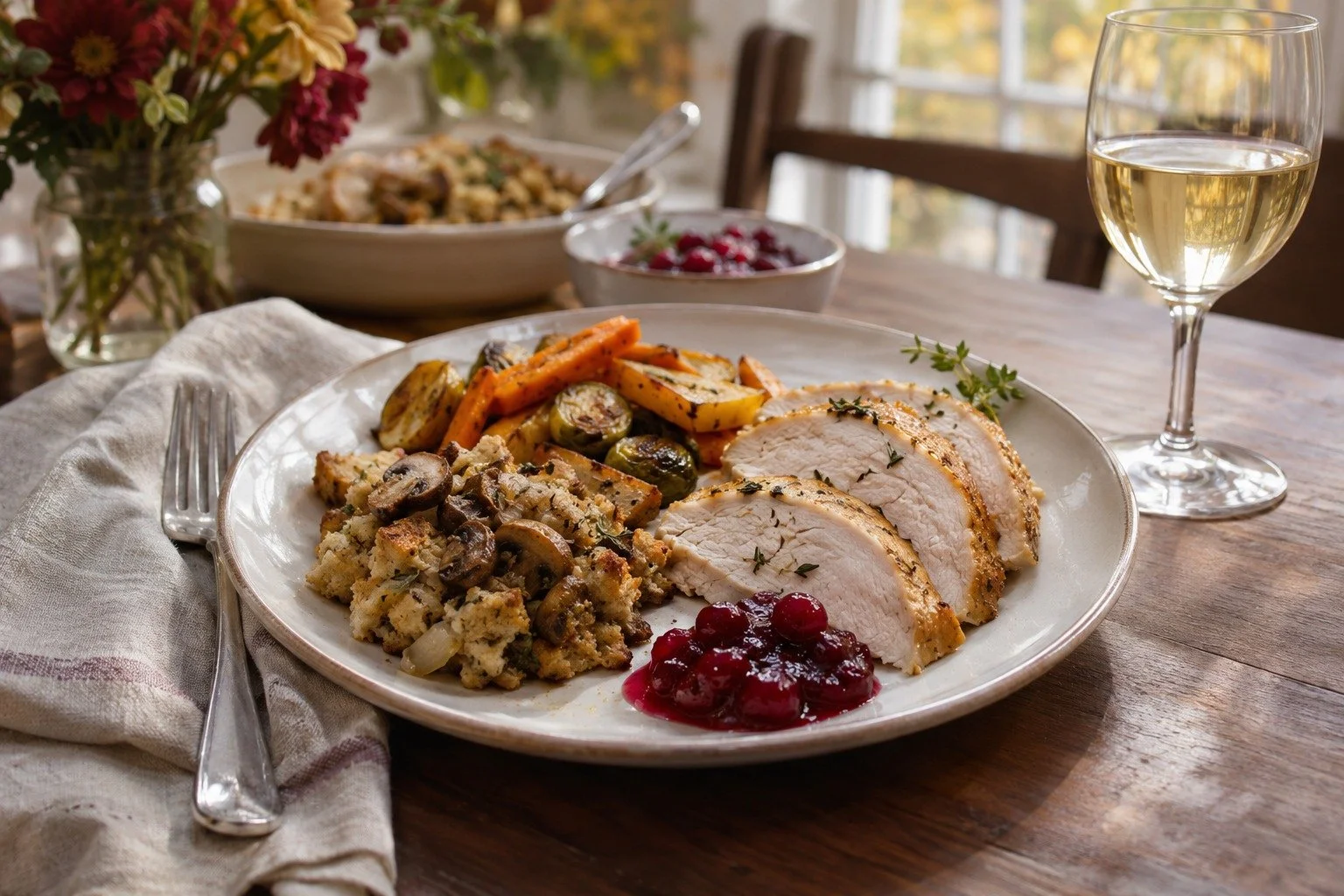
Turkey With Cranberry Sauce and a Little Riesling
For turkey, herb stuffing, and a generous spoonful of cranberry sauce, I’d reach for Dönnhoff Oberhäuser Leistenberg Riesling Kabinett from Germany’s Nahe region. The wine carries a little kiss of sweetness alongside its bright acidity and a lovely saline edge on the finish that reminds me of oyster shells. I want that sweetness beside the cranberry sauce, while the acidity keeps things fresh through the butter, gravy, and the amount of stuffing I consider a reasonable serving.
Thanksgiving is a particularly good occasion to give this style of Riesling a place at the table. You’re pairing with everything that ends up on the fork, and that fork can cover a lot of ground. It’s also an excellent bottle to pour for somebody who says they only drink dry wine, then happily puts sweet potatoes and marshmallows on the same dinner plate.
Mushroom Stuffing With a Tart Relish and Gamay
For mushroom stuffing, roast turkey, and a smaller spoonful of tart cranberry relish, I’d pour Marcel Lapierre’s Morgon. The cherry fruit and floral lift give me plenty to work with beside the cranberry, while the wine’s depth makes it particularly appealing with browned mushrooms, roasted turkey skin, and buttery stuffing.
I’d serve it slightly cool to keep that freshness in the glass, maybe take it out of the fridge 45 mins before you want to drink it.
This is where I’d pay attention to how much relish ends up on the fork. The wine’s juicy fruit connects nicely with the cranberry, but it’s still a dry red, so I’d let the mushrooms, herbs, and turkey lead the bite. Taste those together, then add a little relish and see how the balance changes. I’d happily make an entire dinner out of stuffing and the good side dishes, so I take their opinions rather seriously.
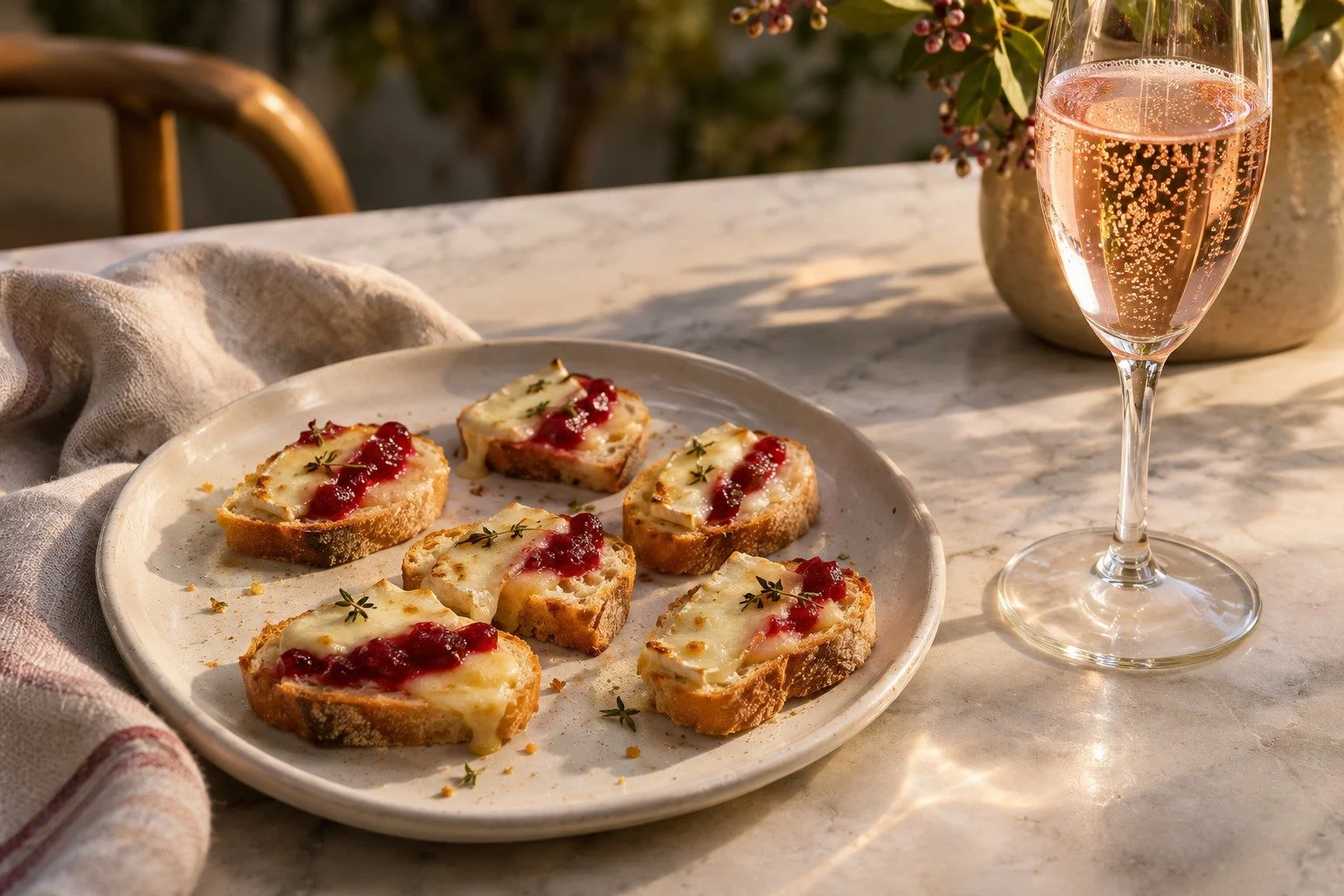
Cranberry Glazed Cheese Toasts and Pink Bubbles
For little cheese toasts with a thin swipe of cranberry sauce, I’d pour Moussé Fils “Eugène” Rosé Extra Brut. Its cherry and red-berry character gives me a lovely connection to the cranberry, while the savory notes of spice and toast suit the browned bread and melted cheese.
There’s real substance here, which makes it particularly appealing with a generous layer of Comté or Gruyère.
I’d keep the cranberry to a thin swipe so the cheese and bread anchor the bite. The wine’s fruit can pick up the cranberry flavor, while its acidity brings freshness alongside the richness of the cheese. It also pours a beautiful pink, which is a perfectly respectable additional qualification before dinner.
I’m very comfortable choosing an appetizer partly because I want to open the Champagne that goes with it.
The Very Sweet Cranberry Situation
For a sweet cranberry and orange dessert, or a sauce that has wandered firmly into confection territory, I’d try Vietti Moscato d’Asti. Its sweet, lightly sparkling style belongs in a different conversation from a dry red.
Here I want sweetness in the glass to meet sweetness in the food, with freshness keeping the combination lively. Not to mention, my mom and grandparents (and sister) are always looking for a moscato. Hey, don’t hate, some of them are actually made thoughtfully and they’re simply delicious!
Taste the actual dessert alongside it. Very rich or intensely sweet desserts may need an even sweeter wine, and the specific recipe matters more than a holiday pairing chart. I’m completely comfortable changing the bottle because somebody’s grandmother added an enthusiastic extra cup of sugar.
I’ll Be Looking at the Cranberries Differently
Now cranberry sauce comes with an extra story for me and I will be saving some to show everyone how they bounce. There’s a plant that packs air into its fruit, a harvest that uses buoyancy, and a sorting method that turns a bounce into useful information. Then those same berries arrive at the table and ask the wine to keep up with a whole collection of flavors.
I think that’s a fairly impressive career for something that fits on a spoon! Before it reaches the saucepan, I’m certainly going to give one berry a small, supervised bounce. Then I’d put the tray away, taste the sauce, and choose the bottle based on what actually made it onto the plate.