I saw “red wine” and “after surgery” in the title of a clinical trial and immediately opened it.
I work with wine for a living, so of course a group of doctors in Milan measuring out Syrah for lunch was going to derail whatever else I was supposed to be doing.
Part of me wanted the results to be more dramatic than they were. A good wine headline gets to have its fun for about ten seconds…then I want to see the methods. This time I ended up with two very different studies, one about how patients felt after surgery and one that involved urine samples and handgrip strength.
The second one came out only nine days later, which was frankly very inconsiderate of my open tabs.

132 Patients and a Very Unusual Study Protocol
The WISE trial, published October 28 in the World Journal of Urology, took place at San Raffaele in Milan.
The team enrolled 132 people who already drank wine regularly and were scheduled for elective urological surgery. They randomly assigned people to usual care with alcohol abstinence or to usual care with a measured serving of red wine at lunch and another at dinner. Each serving was 150 mL, about five ounces, at 13% alcohol. The study protocol ran from the first day after surgery through day 30.
The researchers analyzed the main outcome for 123 patients, since nine people didn’t complete the study (relatable). The median age was 64 and 98% of the people analyzed were men. Like most medical studies, men comprised the vast majority of patients. The surgeries included several urological procedures, and the team screened participants before enrolling them. So to be fair, it’s a decently specific group, even if “doctors gave patients wine” sounds broad enough to put on a billboard.

Two Glasses a Day and a Difference of 1.3 Points
The main outcome was a mental health-related quality-of-life score on a standard questionnaire.
The average change after 30 days was down 0.6 points for the group that abstained and up 0.7 for the wine group. That’s a 1.3-point difference, with a 95% confidence interval from −1.9 to +4.6. The study found no statistically significant improvement.
I’d be doing that little plus sign quite a favor if I tried to turn it into a headline about feeling better.
There were 10 patients with postoperative complications in the abstinence group and six in the wine group. Five patients in the abstinence group were readmitted within 30 days, versus zero in the wine group. That zero caught my eye too, but because there were only five readmissions total, and the difference fell short of statistical significance by the test the researchers used.
The trial was designed around the questionnaire, with too few participants to establish safety or reliably detect a difference in uncommon complications.
Blood and oxidative stress results also gave the authors little of clinical significance to report.
What I’d Keep in Mind About the Surgery Study
People knew which group they were in, they reported their own intake, and the researchers followed them for a month at one hospital. The authors concluded that the findings give no reason to start drinking or promote alcohol use. I
f you’re recovering from surgery, follow your discharge instructions and ask your surgical team when alcohol is safe for you, given your procedure and medications. The FDA warns that combining alcohol with opioid pain medicines can cause dangerously slowed breathing. I’m definitely not saying you should be drinking wine to help recover in any capacity.
The question I’d ask at a follow-up visit is a very specific one about my own recovery.
Then Came the Grip Strength Paper
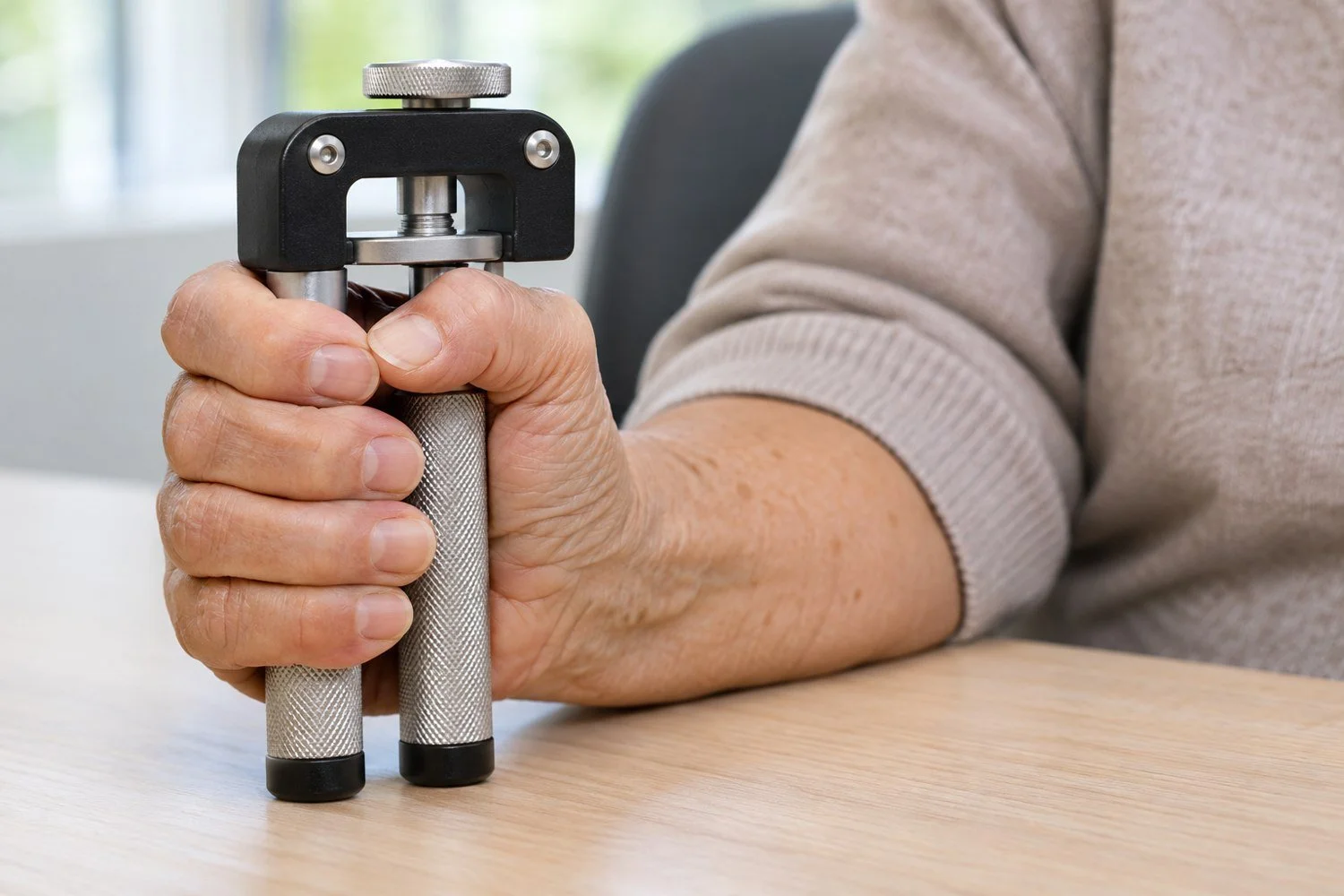
On November 6, a separate paper in Food & Function looked at 50 older adults whose average age was about 69. The researchers measured things like handgrip strength and muscle mass, and they analyzed urine for compounds the body makes or passes along after processing polyphenols.
Catechin and resveratrol are two of the names you might recognize from the back of a very enthusiastic wine article.
People with higher levels of certain markers tended to have stronger grips or more muscle on several measures. The pattern for ultrasound measurements of thigh muscles showed up mostly in women. There’s a difference between that narrower finding and saying wine made women stronger.
This was a cross-sectional study, meaning the team took a snapshot of what was happening across people at roughly the same time.
Take two people with different grip strengths. One might walk more, eat differently, or come into the study with a completely different health history.
Those things could move along with what’s in their urine. A snapshot gives researchers a place to look, while a trial that assigns an intervention and follows people over time can better test what’s causing what.
I’d read the follow-up the authors want to see. They suggested testing dealcoholized wine in future trials to help separate the possible effects of polyphenols from the effects of ethanol. If you’re curious about the grape compounds, that’s a much different question than asking what happens when you give somebody a whole glass of red wine.
When I want a bitter little pour while I read and it’s got not alcohol in it, I like Sanbittèr over ice, especially for the orange-peel finish. I’m glad the doctors did the trial, and I’ll be interested to see what the muscle researchers do next. Meanwhile, my main concern at dinner is whether there are enough browned mushrooms for a second helping.