I absolutely adore visiting cideries!! It’s basically like visiting a vineyard, but with apples instead of grapes, and an entirely different collection of questions to bother the person pouring with. This time of the year, it just makes me want to put on a sweater and get my butt over to the nearest cider farm!
Give me a drink made from a familiar fruit and I immediately want to know how that fruit became something that smells like flowers, feels a little like black tea, and somehow belongs beside a piece of cheese.
I mean, an apple seems like it should be fairly straightforward, right? You bite into it, it’s crisp and juicy, and depending on what you bought, it might be sweet enough to qualify as dessert or sharp enough to make your entire face participate. Then somebody turns apples into hard cider, and suddenly there are bottles that taste dry, earthy, floral, gently bitter, or almost like sparkling wine. Where did the snack go?
Of course, it all starts in the orchard, then gets considerably more interesting once yeast arrives. The apple you’d happily eat over the kitchen sink and the apple a cidermaker gets excited about can have very different qualifications. Fermentation then changes the balance of what was already there while making an entire collection of new compounds!
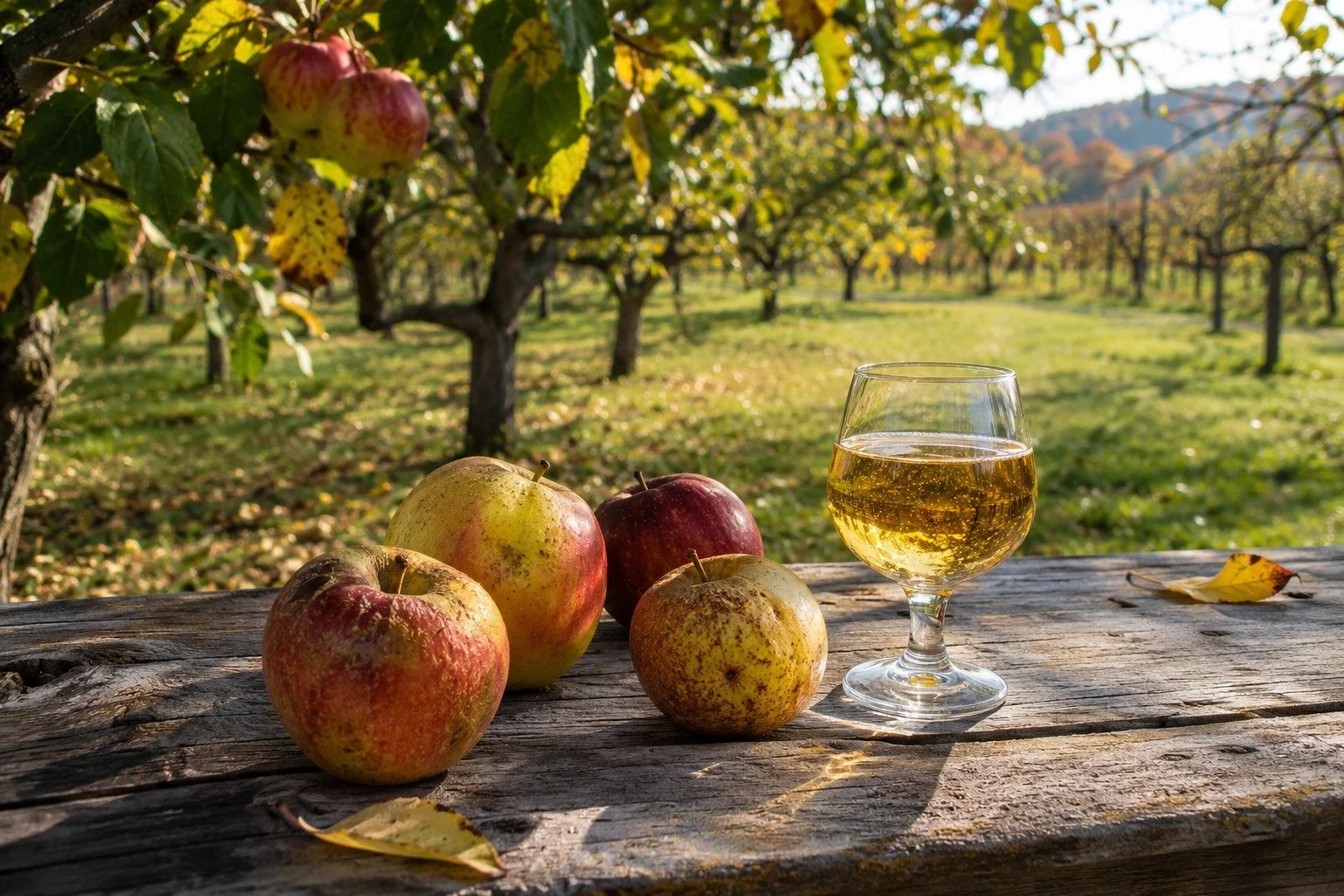
The Best Apple for Your Lunch Has a Different Job
When I’m choosing an apple to eat, texture matters immediately. I want that satisfying crunch, plenty of juice, and a balance of sweetness and tartness that makes another bite appealing. A mealy apple can disappoint me before I’ve even gotten around to having an opinion about its aroma. For cider, the fruit is going through a mill and a press anyway, so its performance as a crunchy afternoon snack becomes considerably less relevant.
Instead, makers consider how sugar, acid, tannin, and aroma will behave in juice and the finished drink.
Penn State’s work on Mid-Atlantic apples shows why looking at the variety matters so much. Different apples bring different chemical starting points, including substantial differences in polyphenols. Those compounds include the tannins (these contribute bitterness and that drying, gripping sensation you might recognize from tea or red wine).
So an apple can make an enthusiastic contribution to a cider blend while being a fairly challenging thing to put in a lunchbox. We spend so much time judging fruit by how pleasant it is to eat immediately that it’s easy to forget an orchard can be growing ingredients for something else entirely.
There Are Apples With Names Like Bittersweet for a Reason
The traditional English classification sorts cider apples by acid and tannin.
Sweet apples are relatively low in both, sharps have more acid with relatively little tannin as their name implies, bittersweets bring more tannin with lower acid, and bittersharps bring more of both. The Washington State University cider database uses that system to help describe what varieties can contribute.
Those names describe the fruit’s juice.
A bittersweet apple can contribute to a finished cider that tastes dry, because fermentation changes the whole sugar situation. Likewise, a maker might combine varieties to get the structure they want, much the way a winemaker blends grapes with different strengths. One apple can provide brightness, another grip, and another enough fermentable sugar to support the style.
Culinary apples can make lovely cider too! The interesting question is which varieties went into this particular bottle and what the maker wanted from them. That’s a much more useful conversation than deciding every good cider must have one specific kind of apple.
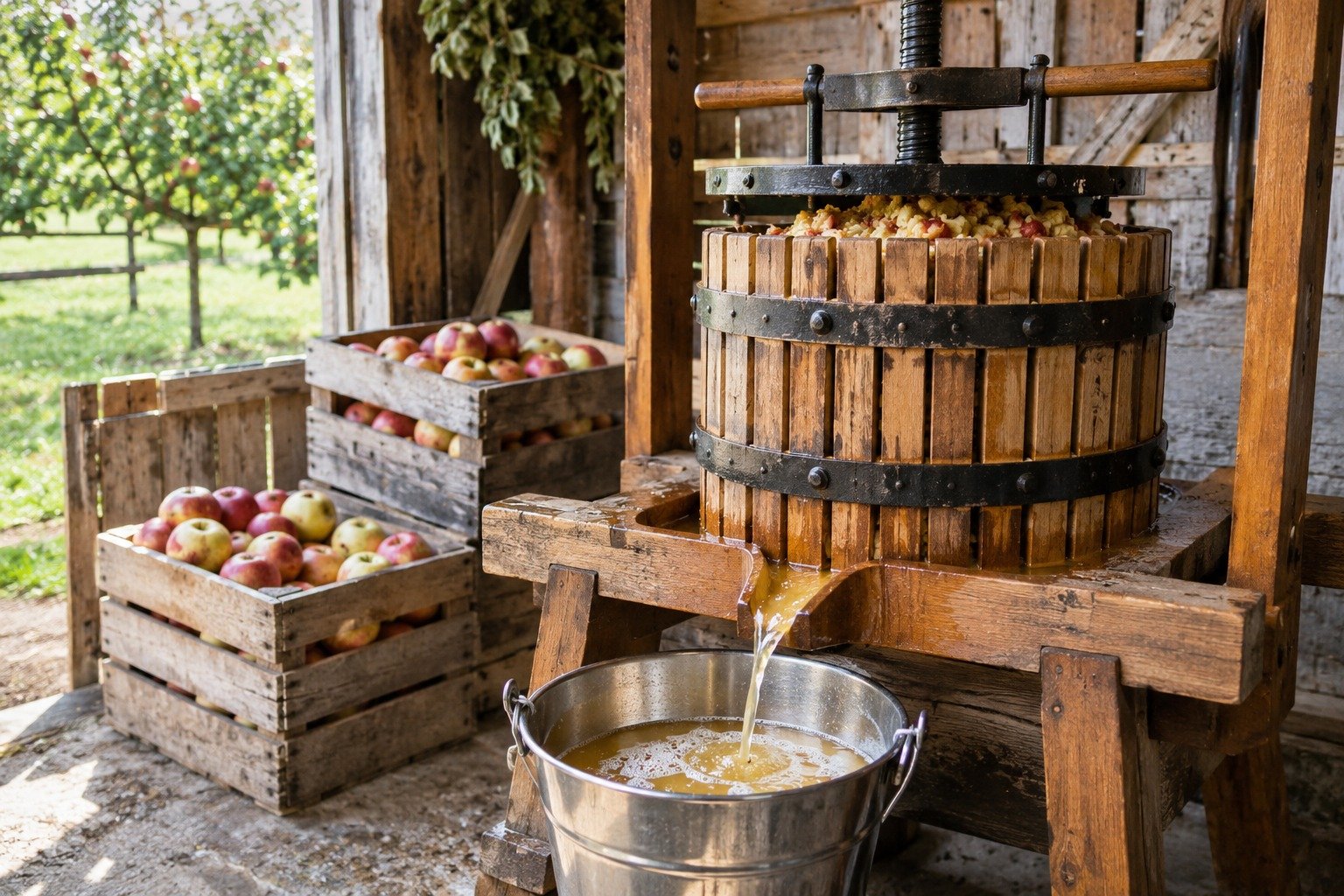
Yeast Has Plans for All That Sugar
The big transformation is going to be with yeast. During alcoholic fermentation, yeast uses fermentable sugars and produces ethanol and carbon dioxide, along with a bushel of other products not worth listing here. That means the sweetness that helped define your fresh apple can become fuel for a process that leaves the finished drink tasting much drier. The apple’s acid and tannin can feel considerably more prominent in the overall balance in the end.
A sweet apple and a sweet cider therefore tell you different things.
The first describes fruit you’re eating, while the second describes a finished drink whose remaining sugar and production choices matter. Fermentation can be managed to retain sweetness, and makers can also sweeten a cider afterward using appropriate methods to keep the product stable. The result depends on the cider and how it was made.
We hear apple, remember apple juice of our childhood, and prepare ourselves for something sweet. Then a dry cider arrives and our brains briefly behave as though somebody has switched the labels. The fruit is still involved; its sugar has simply had a very busy few weeks.
Fermentation Builds New Smells Too
Taking away sweetness is only part of the story. Yeast also changes the aromatic mixture. Esters and other volatile compounds formed during fermentation can contribute fruity and floral impressions, which helps explain why a cider might suggest pear, citrus, or flowers even when apples supplied the fruit.
A study comparing different yeast fermentations found changes in cider chemistry and sensory properties, with acetate and ethyl esters among the important aroma compounds. Another study of British and Scandinavian ciders connected differences in production methods with differences in their chemical and sensory profiles. AKA, there’s quite a lot happening between pressing the fruit and pouring the glass.
This feels very familiar to wine for all those wine lovers out there.
A glass can remind me of cherries, violets, or bread because of its aromatic compounds and how I perceive them. Those descriptions give us a way to talk about the experience; a cherry note in wine or a pear note in cider can arise through chemistry without somebody adding the fruit named in the tasting note. Of course, flavored ciders exist too, so the actual bottle deserves a look.
That Dry Feeling Might Be Tannin
There are two different experiences people often describe with the word dry. One is low sweetness, and the other is the drying, slightly rough feeling that tannins can create in your mouth.
A cider can have very little sugar and feel fairly soft, or have a little sweetness alongside a noticeable tannic grip. Paying attention to both makes a flight much more interesting.
For the tannin part, I think of strong black tea. For acidity, I think about that mouthwatering reaction to something tart. They’re different sensations, and both can help give cider its shape. Once you start noticing them separately, the difference between bottles begins to make a lot more sense than simply deciding one tastes more like an apple.
Cornell’s cider research describes how apples grown for cider can bring substantially more tannin than familiar culinary varieties. The fruit that seemed a little severe on its own can therefore contribute exactly the structure a maker wants in the glass. Sometimes, being difficult at first introductions can occasionally be an excellent professional qualification.
The Cidermaker Still Has Plenty to Say
After choosing the apples, a maker still makes decisions about fermentation, maturation, sweetness, and carbonation.
Oak contact can contribute another set of aromas. Microbial activity can alter the balance of acids and other compounds. A still cider and a sparkling one will also feel different in your mouth, even before you start comparing their fruit.
That’s why two ciders made with overlapping apple varieties can travel in very different directions! One might just emphasize freshness and bright fruit, while another has the grip and savory character that makes me want to bring dinner into the discussion. I find it much easier to understand that range when I think about cider as a fermented agricultural drink with its own traditions, much the way I think about wine.
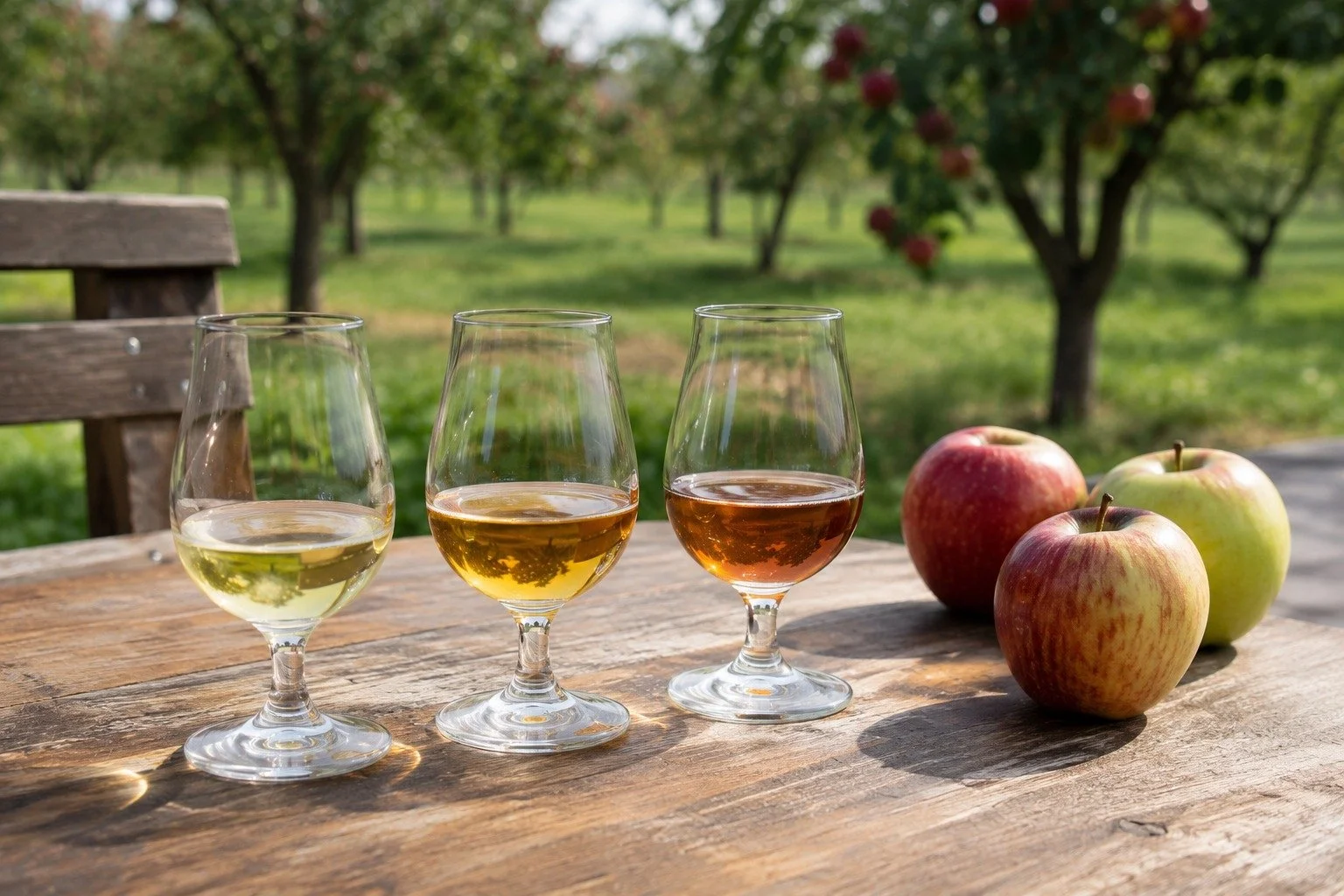
What I’d Ask for in a Cider Flight
I’d start with a dry cider, something with a little sweetness, and a pour the cidery describes as tannic or made with traditional cider varieties. Then I’d ask which apples went into each and what the maker was trying to bring out. If there’s a single-variety cider available, that’s a lovely opportunity to focus on one apple before returning to a blend.
Smell first, then take a sip and give the finish a moment. Notice sweetness, mouthwatering acidity, and any drying sensation separately. At home, a few small tasting glasses make comparing modest pours easier.
I’d put an apple beside the glasses too, because tasting the familiar thing again can make the transformation feel even stranger.
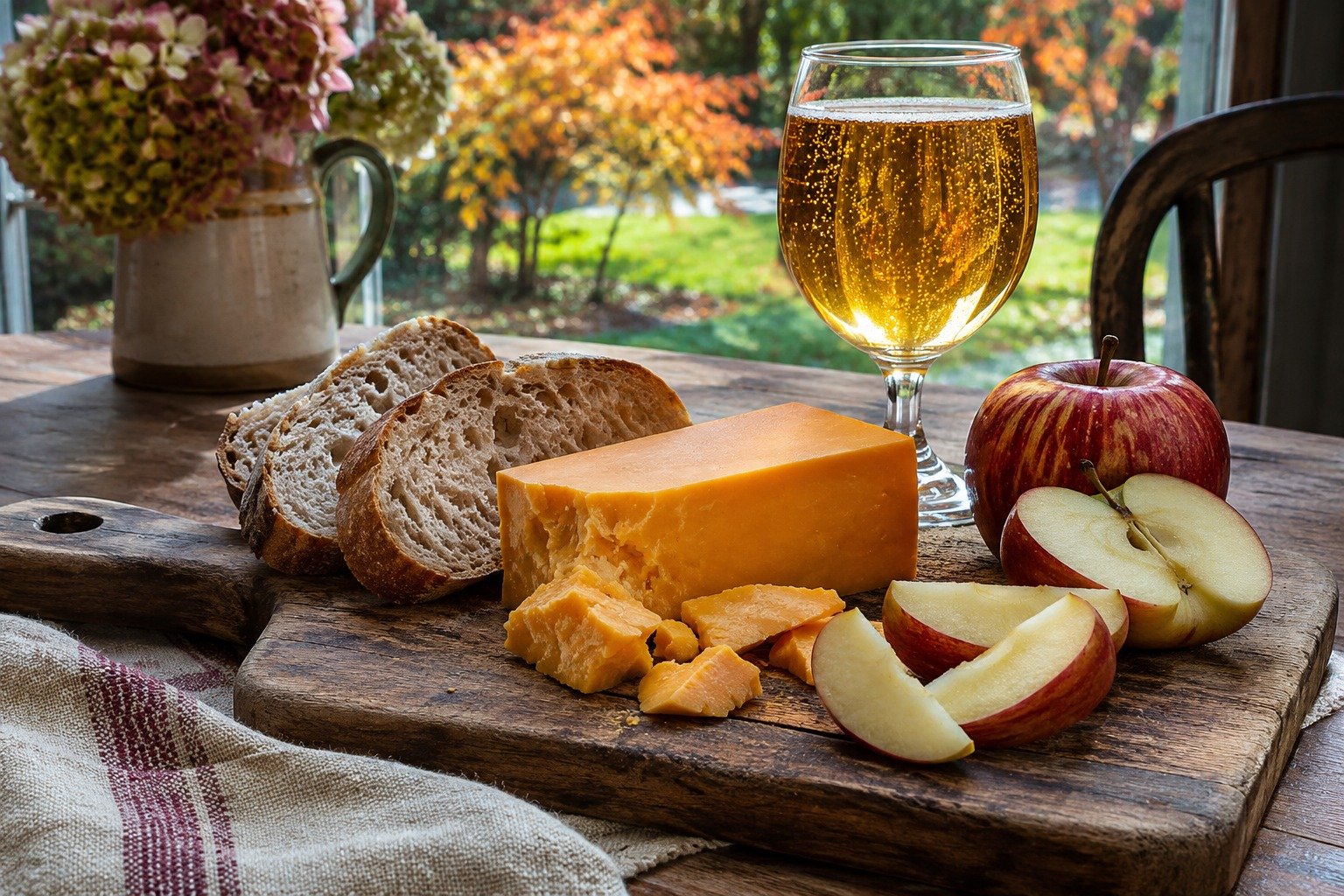
For food, I’d bring out sharp cheddar and bread with a bright, dry cider. Roast pork with apples would make me consider a cider with a little more body and tannin, while a creamy mushroom tart would welcome freshness and gentle bubbles. With apple tart, I’d choose a cider with enough sweetness to meet the dessert!
I Think the Apples Deserve More Credit
What I love about this is how much possibility hides inside something we treat as an everyday snack.
We recognize a few supermarket names, decide whether we like red or green, and carry on with our lives. Meanwhile, there are growers choosing fruit for bitterness, researchers studying fermentation, and cidermakers figuring out which combination of apples will make a particular glass feel complete.
The next time I’m looking at a cider menu, I want to know a little more about the orchard behind it. Which apple brought the brightness? Which one brought that tea-like grip? And which perfectly ordinary-looking fruit turned into something that made somebody stop and ask questions?
That last one is probably the one I’d like to try first. Happy November to everyone out there!