Health Claims That Sound Completely Fake…But Science Says They’re True
If you’ve spent more than about thirty seconds on Instagram lately, you’ve probably been told that a vegetable can reverse aging, cure your liver, eliminate cancer, fix your hormones, and probably refinance your mortgage while it’s at it.
The internet really loves a miracle vegetable. So does all the marketing teams behind “Big Veggie” (not a thing, I’m making it up).
One reel tells me celery is better than modern medicine. The next insists bitter melon is basically insulin wearing a vegetable costume. Somewhere in between, an artichoke apparently became a licensed hepatologist. I love this stuff. No, I don’t believe every word of it, but underneath the clickbait there’s often a tiny little scientific seed that grew into something much larger than it deserved.
It’s kind of like the world’s longest game of telephone and the last one to hear it has waaay too much faith in everything they see on the internet. A researcher publishes a careful paper that says, “This compound demonstrated promising activity in cultured cells.” A headline turns it into, “Scientists discover food that kills cancer,” then Instagram shortens that to, “Eat this and you’ll live longer.”
Suddenly thousands of people are staring suspiciously at the broccoli in their refrigerator wondering why it hasn’t transformed their life yet. The funny thing is that reality is often just as interesting if you know what’s real and not because the truth of the matter is that food really is weird.
Plants have spent hundreds of millions of years inventing chemicals to defend themselves against insects, fungi, bacteria, sunlight, drought, hungry mammals, and just about everything else trying to eat them. We eventually discovered many of those same compounds interact with our own bodies in fascinating ways.
Some foods out there really do lower cholesterol while others help absorb nutrients. There are foods that interfere with medications while others are being studied as future drugs. Some out there simply make us healthier because they’re wonderfully nutritious.
None of that makes them magic, but it does make them worth talking about.
So I went down another 3am hole last night, separating the internet myths from the genuinely surprising things that science actually supports. Reality didn’t disappoint.
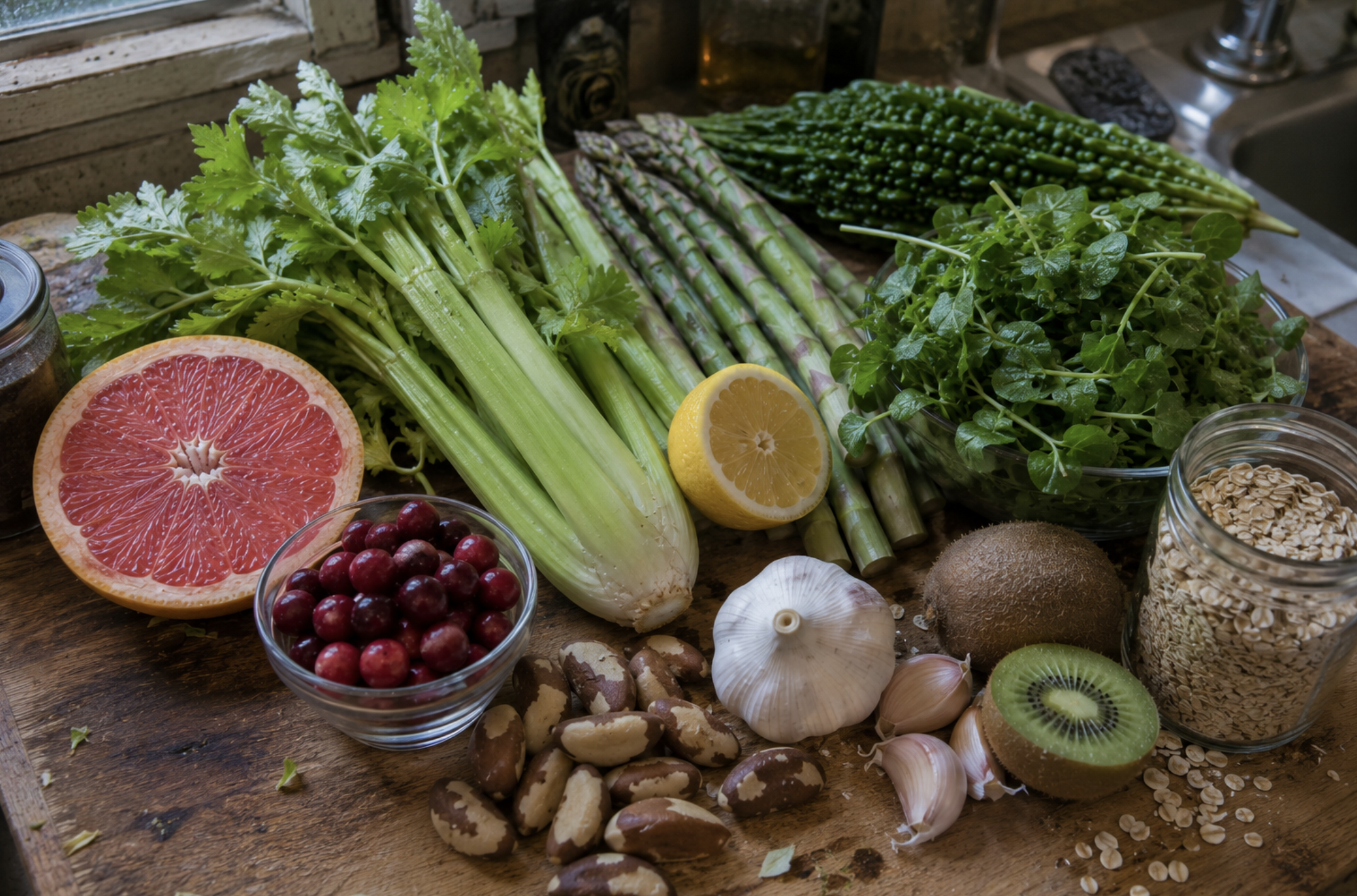
Healthy foods that interact oddly with the body.
Grapefruit Can Accidentally Supercharge Certain Medications
If someone told me a breakfast fruit (grapefruit is only eaten at breakfast, right?) could change how prescription drugs behave inside your body, I’d probably assume they misunderstood chemistry.
Nope though…this one’s real.
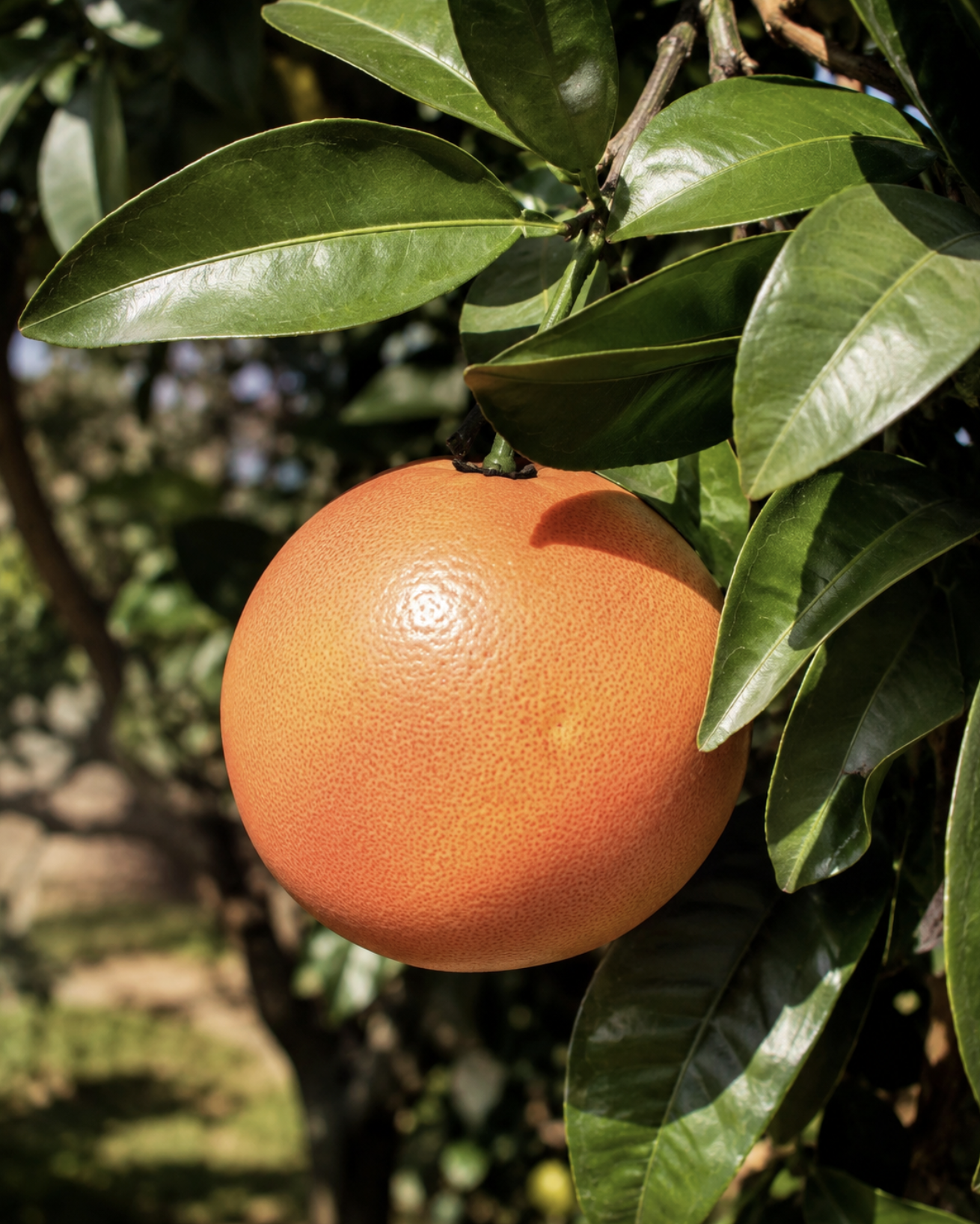
grapefruit ripening in the sun
Grapefruit contains natural compounds that temporarily block an enzyme in your small intestine called CYP3A4. That enzyme normally breaks down many medications before they enter your bloodstream.
Without it, more of the medication gets absorbed, and I mean, sometimes a lot more.
For certain cholesterol medications, blood pressure medications, anti-anxiety drugs, and immune suppressants, that’s a very big deal. It can make the medicine much much stronger than your doctor intended - almost as strong as my husband.
It’s a strange combo because it’s not like the grapefruit is poisonous, it’s just an unexpected interaction between two perfectly ordinary things. I still think that’s one of the coolest food facts I know.
One Brazil Nut Can Give You Nearly All the Selenium You Need Today
You read that right, a tiny little nut out there is a massive nutritional overachiever.
Brazil nuts grow in the Amazon rainforest and are astonishingly rich in selenium, a mineral your thyroid, immune system, and antioxidant enzymes rely on for a whole lot of functions. You can get them at most stores, or on Amazon like I do.
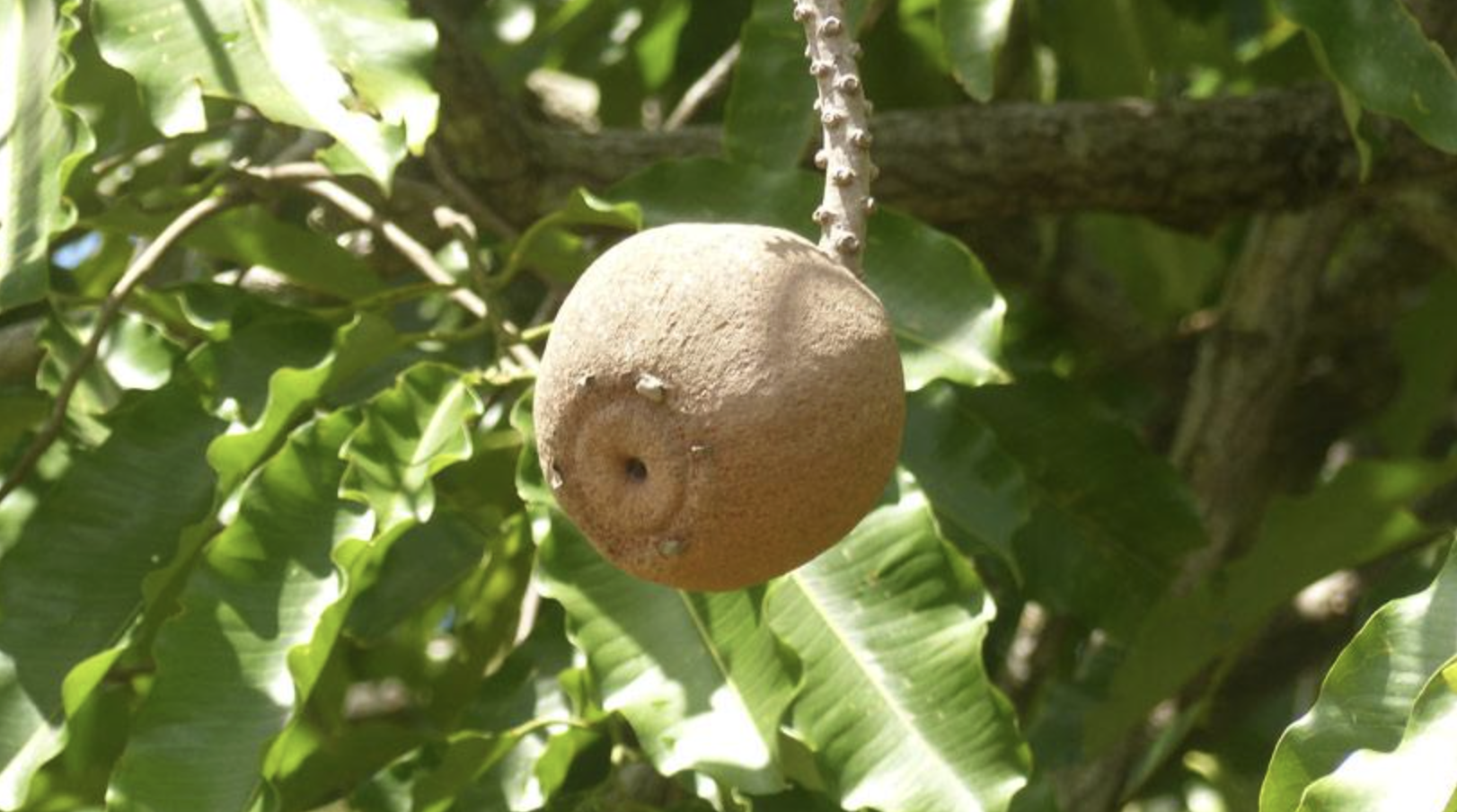
brazil nut growing inside the fruit
Depending on where they’re grown, one or two nuts could provide an entire day’s requirement. Which leads to one of my favorite nutrition paradoxes (because, of course)…they’re actually so nutritious that eating too many every day can actually become a problem.
It’s one of the rare foods where moderation genuinely matters. Nature has a wonderful sense of humor.
Lemon Juice Actually Helps You Get More Iron
This sounds suspiciously like something someone’s Southern grandmother invented to get you to drink her lemonade on a hot summer day.
Turns out though…she might’ve been onto something.
Iron from plants isn’t absorbed nearly as well as iron from meat (sorry to my plant-based friends out there), but vitamin C changes that.
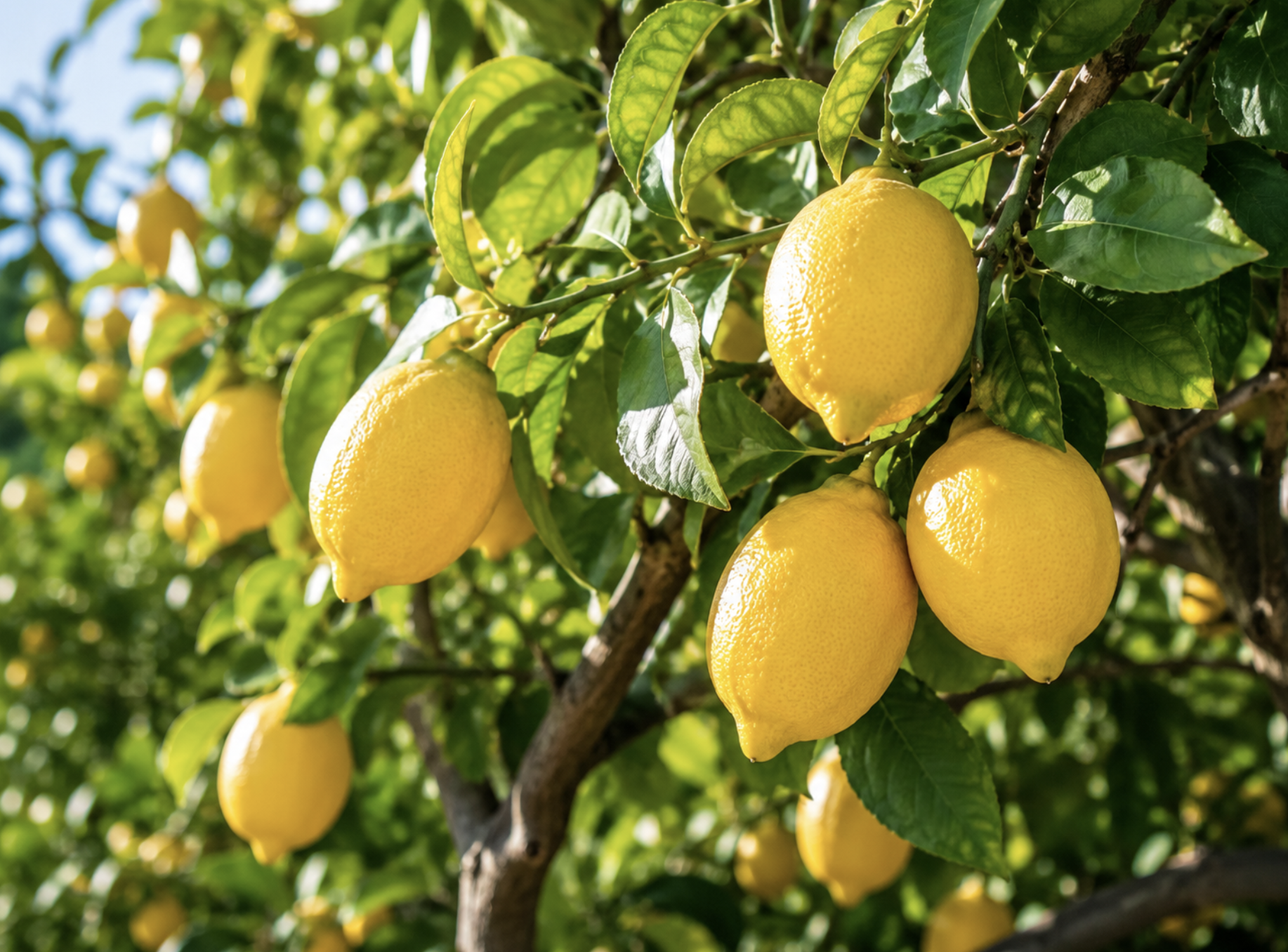
lemon tree
A squeeze of lemon over spinach or bell peppers in bean chili, fresh strawberries after oatmeal all make a huge difference.
Those little additions help convert plant iron into a form your body absorbs much more efficiently.
I’d recommend trying to grow your own lemons too! This tree is the one I’ve been keeping alive for the last two years, and it’s doing surprisingly well.
Watercress Quietly Became the Valedictorian of Vegetables
Nobody gets excited about watercress, but I feel like they never tried it in a beet salad before, because I had one with feta and champagne vinaigrette once that changed my life a little bit.
Kale’s marketing department did good work, and made everyone think that kale was the way to go for the rest of their lives (has anyone actually tried kale? I hate the flavor of it), so watercress is often overlooked.
When researchers compared fruits and vegetables using nutrient density, watercress landed at the very top though, which is delightfully unfair to anyone who went through a kale phase for health reasons.
Here are some seeds if you want to try to plant your own!
Oats Earned One of the Most Boring (and Impressive) Health Claims Ever
There’s a reason you don’t see cereal boxes promising eternal youth because food companies aren’t allowed to make just any health claim they want. Thankfully for us all trying to just eat right out here.
Oats actually earned an approved heart-health claim because of a soluble fiber called beta-glucan. That wonderful fiber helps reduce LDL cholesterol when eaten regularly as part of a healthy diet. Also, side note, I don’t know a single person who eats enough fiber on their own, which is why I’m always ordering fiber gummies or what’s-that-stuff called, the powder stuff that tastes like poop?
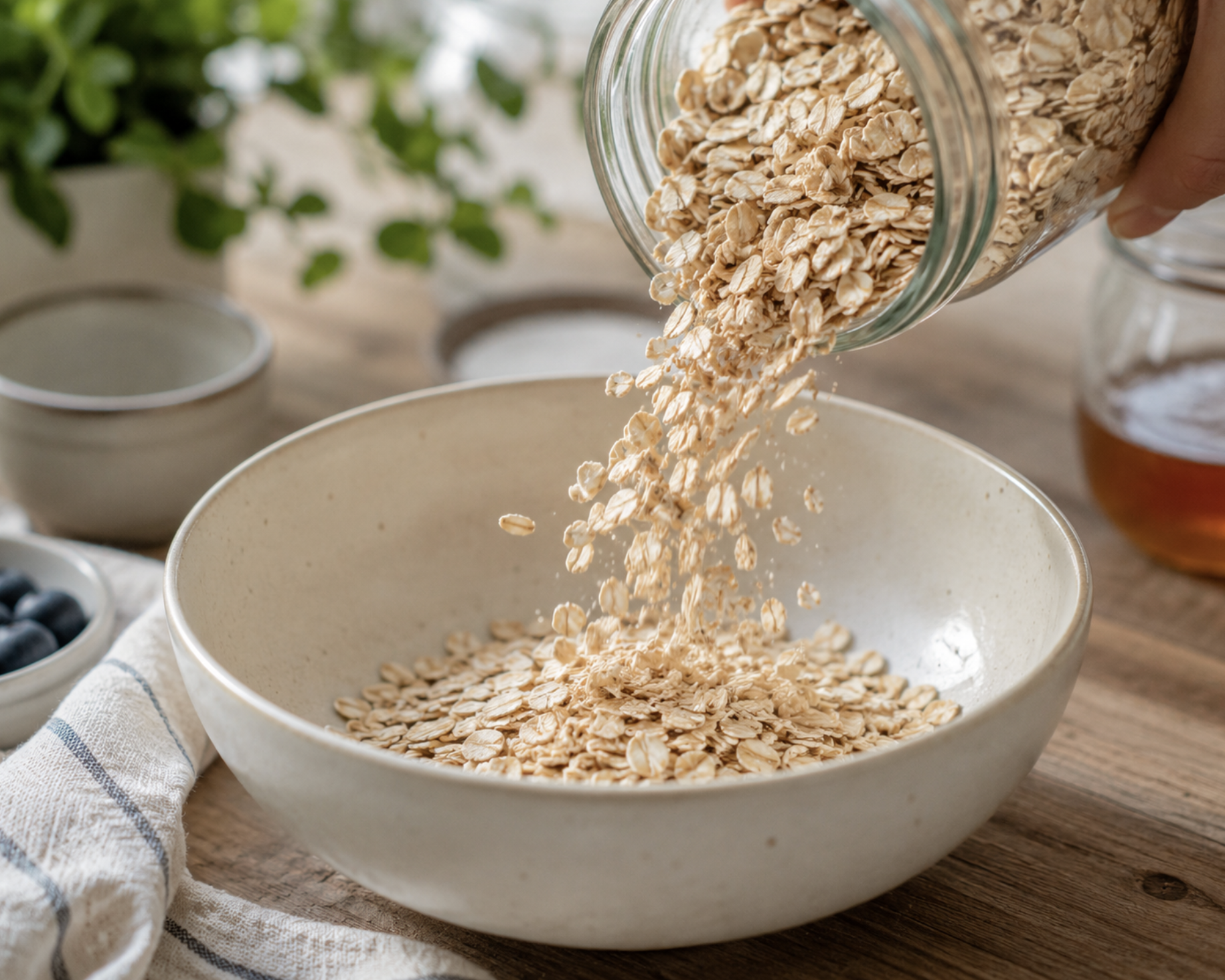
oats being poured for breakfast
It’s not an overnight transformation, and you have to eat a decent amount of it, but I trust boring science more than dramatic science.
Cranberries Really Do Help Some People Avoid UTIs
This one has bounced back and forth so many times I lost track. One day you read something saying they help, the next day “cranberries do nothing.” Probably should’ve cut them out of this article completely, but I was feeling a little risky today (I mentioned I was up at 3am, right?).
Today’s evidence paints a pretty reasonable picture though, so I’m feeling confident enough. Cranberries seem to help prevent recurrent urinary tract infections in some people by making it harder for certain bacteria to stick to the urinary tract.
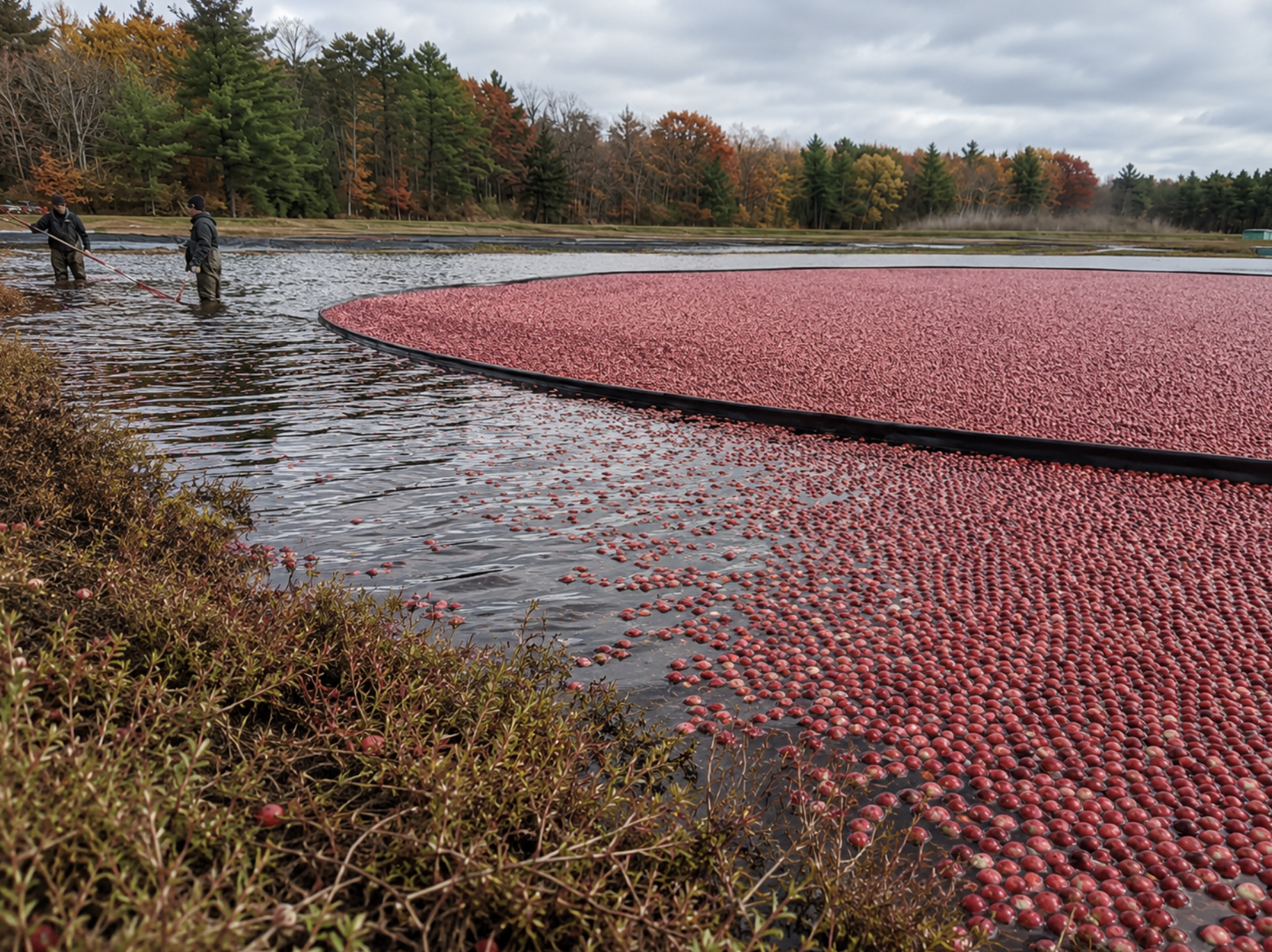
cranberry bog
However, everyone seems to agree that they don’t cure an existing infection, so don’t just grab yourself some when your pee is burning. They’re more like making the walls too slippery for unwanted guests to settle down.
Again, you know where this is going, if you want to grow your own, try these guys.
Garlic Has Been Impressing People for Thousands of Years
I’ll start of by saying I’m completely biased and was going to find a way to mention garlic at some point or another in here. I adore garlic, and any recipe that calls for 3 cloves gets 1½ heads of it instead. I always have roasted garlic in my fridge, ready to add into any dish, and whenever I confit duck garlic heads somehow end up in there too. I blame my Italian grandma for always making the smell of it comforting.
Ancient civilizations adored garlic almost as much as me, and modern researchers still study it.
While garlic won’t replace blood pressure medication, research out there suggests regular consumption of it can produce small improvements in blood pressure and cardiovascular health for some people.
That’s a pretty respectable career for something that mostly just wanted to keep insects from eating it. I wholeheartedly accept this research and will be stepping up my garlic game (sorry to my coworkers and husband).
Bitter Melon Really Does Contain Insulin-Like Compounds
Instagram got excited about this one…for understandable reasons.
Bitter melon contains compounds researchers have been studying for their effects on blood sugar regulation. Some of those compounds behave similarly to insulin in laboratory settings, which is enough to get anyone with diabetes excited.
Human studies are far less exciting, but the plant remains genuinely interesting to scientists. So the headline isn’t completely wrong…it just skipped about thirty pages of context.
Oranges Help Your Body Build Collagen
Vitamin C and collagen are constantly marketed as a beauty power couple, usually beside a glowing woman holding a very expensive powder. Also, I feel like I’ve watched waaay too many videos about it and how good it is, blah blah blah. I don’t know, I just take this one my husband told me was good. He’s in charge of supplements in our house.
This claim is real, although the internet more often than not explains it incorrectly.
Vitamin C doesn’t exactly help your intestines absorb collagen. When you eat collagen, your digestive system breaks it into amino acids and small peptides before absorbing them. Your body then decides where those building materials are needed, and Vitamin C helps with what happens next.
Without enough vitamin C, the collagen structure can’t form properly. That’s why severe vitamin C deficiency causes scurvy, with symptoms such as bleeding gums, easy bruising, and wounds that struggle to heal. Your body still has the raw materials, but the construction crew is missing an essential tool.
This doesn’t mean eating a ton of oranges with collagen powder will immediately erase a wrinkle. Most people who eat fruits and vegetables already get vitamin C throughout the day, and it doesn’t necessarily need to be swallowed in the exact same mouthful as collagen.
Still, the basic claim holds up. Protein supplies some of the building blocks, and vitamin C helps your body turn those materials into the collagen used throughout your skin, blood vessels, cartilage, bones, and connective tissue.
An orange has never had a better résumé. If you want some honey tangerines to try, here ya go!
Food Is Full of Tiny Chemical Conversations
One of my favorite things about gardening is growing something that’s alive and communicates with each other. It’s sort of like pets that I can take bites out of and not hurt in the process. Okay, that comparison didn’t hold up, but you know what I mean. I’m not out here taking bites out of my pets.
Plants defend themselves and create thousands of chemicals because survival demanded creativity. Then we wander into the story and realize some of those same molecules interact with us too. It’s pretty cool when you think of it that way because evolution is sort of magical.
I think that’s what bothers me most about internet nutrition. Reality already wins, we don’t need to exaggerate it, I mean, the actual science is strange enough. A citrus fruit can change your medication and a tiny nut can contain nearly a day’s worth of an essential mineral.
Every time I think I’ve reached the end of nature’s surprises, another one appears and suddenly I’m marveling at the plants around me and trying to grow new weird plants. Yes, I did order Miracle Fruit plants (the thing that makes sour things taste sweet), and yes, I will be ordering more weird things and keeping you posted.
Reads You Might Enjoy:
The Hidden Violence in Our Food Chain (Even When It’s Vegan)
The Snack That Turned Mice Transparent: What’s Really Hiding in Our Food?
The Foods That Remember You: How Ultra-Processed Cravings Are Written Into the Brain
The Day the Earth Stood Still: When Planetary Motion Breaks Its Rhythm
The Plants That Predict Earthquakes: Is Nature Trying to Warn Us?
The Devil’s Footprints: The Unsolved Mystery That Left England Wondering What Walked Among Them
The Bacteria That Could Turn Any Blood Into a Universal Donor
The Most Dangerous Cheese in the World: Casu Marzu, the Rotting Rebel of Sardinia