Why Olive Oil Could Be the Real Secret to Longevity
You can spend your life chasing longevity in pills and powders…lord knows, there’s enough of us out there who’re doing it.
You can micromanage your macros and plug data into apps until your soul goes numb, my husband, Zakary Edington, loves doing this more than almost anything else in life, which is a little odd to me still.
Or, you can uncork a bottle of green-gold sunlight and let it share some secrets from a hillside in Crete.
Olive oil isn’t a supplement, it’s a food that reminds you of slowness and how the world’s first medicine was food. It’s not here to hack your body with fancy chemicals or other sketchy things, it’s just here to nourish it with warmth.
It also might just be one of the most powerful ingredients in the human longevity story.
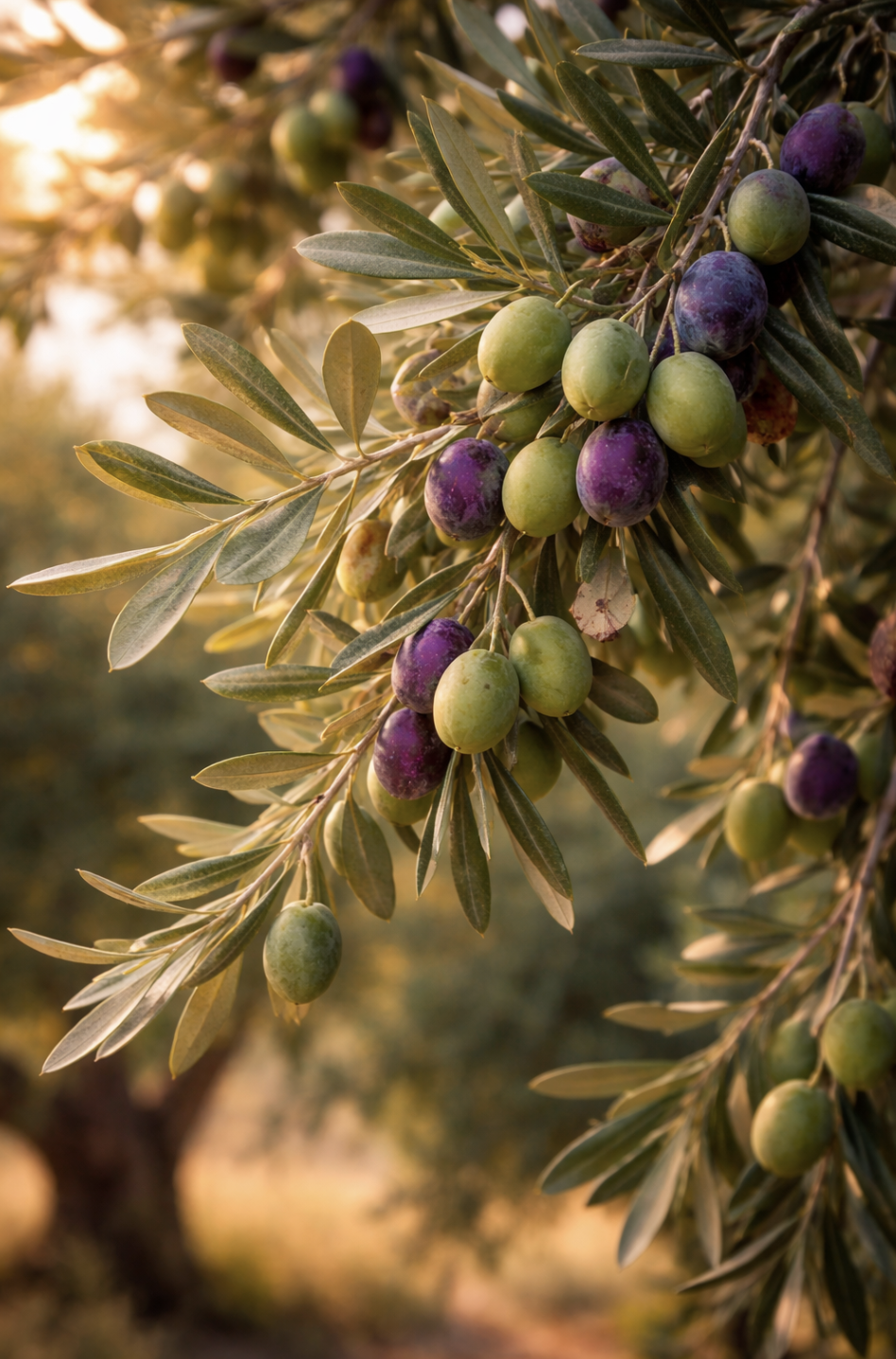
The Glow Inside the Drizzle
In the Mediterranean, they don’t “add olive oil,” they build the whole damn meal around it.
It’s not a condiment to be added at the end, it’s the beginning of a masterpiece. A drizzle over roasted vegetables becomes a memory you cherish long after your grandmother has left this world, and a slow sizzle in a pan becomes the start of something sacred.
Science is finally catching up to what my grandma has been saying for the past 90 years. Olive oil is rich in oleic acid, a monounsaturated fat that helps fight inflammation and protect the heart. It contains polyphenols, those fierce little antioxidants that hunt down free radicals like bodyguards at a rock concert. One of them, oleocanthal, acts like nature’s ibuprofen, but without the side effects, the plastic bottle, or the liver strain.
Beyond the science too, there’s the fact that there are dozens of studies linking olive oil consumption to fewer heart attacks and strokes, lower Alzheimer’s risk, reduced depression, and a longer lifespan. The landmark PREDIMED randomized controlled trial found that a Mediterranean diet supplemented with extra-virgin olive oil reduced major cardiovascular events, including heart attacks and strokes, by roughly 30% compared to a low-fat control diet (Estruch et al., 2013, New England Journal of Medicine).
Long-running cohort studies from Harvard’s Nurses’ Health Study and Health Professionals Follow-Up Study further showed that replacing saturated fats with olive oil significantly lowered the risk of coronary heart disease and stroke (Guasch-Ferré et al., 2015, Journal of the American College of Cardiology). Cognitive health also seems to be affected with participants in France’s Three-City Study who regularly consumed olive oil demonstrated better memory performance and slower cognitive decline, suggesting a protective role against Alzheimer’s disease (Berr et al., 2009, Neurology).
Mental health outcomes mirror these findings in case you needed even more evidence, with Spain’s SUN Project linking higher adherence to an olive-oil-rich Mediterranean diet to a lower incidence of depression (Sánchez-Villegas et al., 2009, Archives of General Psychiatry).
Most recently, a large JAMA Internal Medicine analysis associated higher olive oil intake with reduced all-cause mortality, including deaths from cardiovascular, neurodegenerative, and respiratory diseases (Guasch-Ferré et al., 2022).
Numbers don’t tell the whole story, though, this isn’t about merely surviving, it’s about radiating through the years.
How Olive Oil Is Actually Made
Olive oil doesn’t just appear in a bottle like magic, snd it’s not something born in a lab or harvested in steel silos. It’s the result of a process, intimate, patient and ancient, and if you’ve visited any wineries in Europe, you’ve probably seen it up close before.
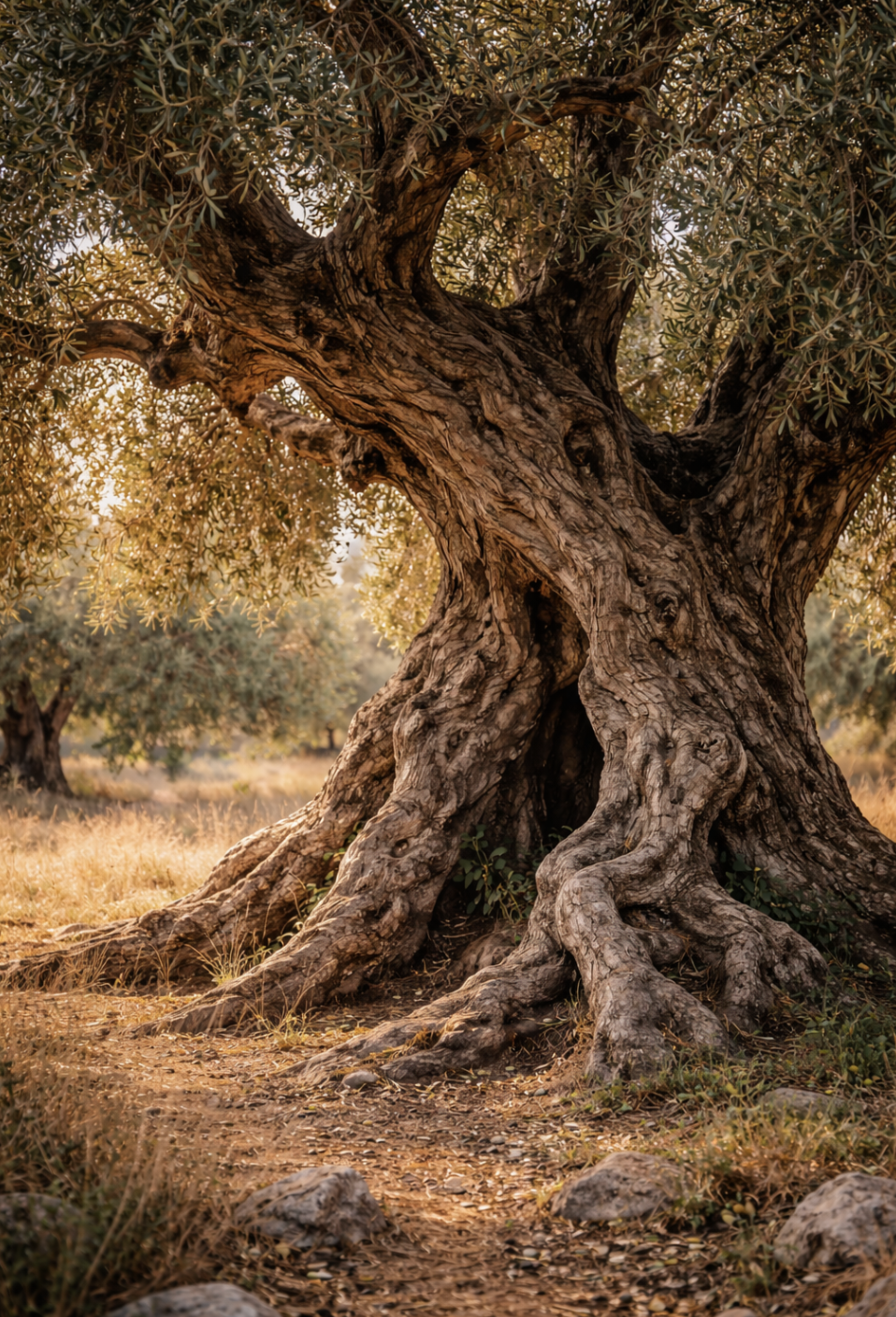
In autumn, the olives are picked, normally by hand when it’s done right. The trees they grow on are often centuries old, they’ve outlived governments, storms, and literal revolutions to still remain standing. There’s something that feels almost spiritual in touching the fruit of a tree that remembers more history than you ever will.
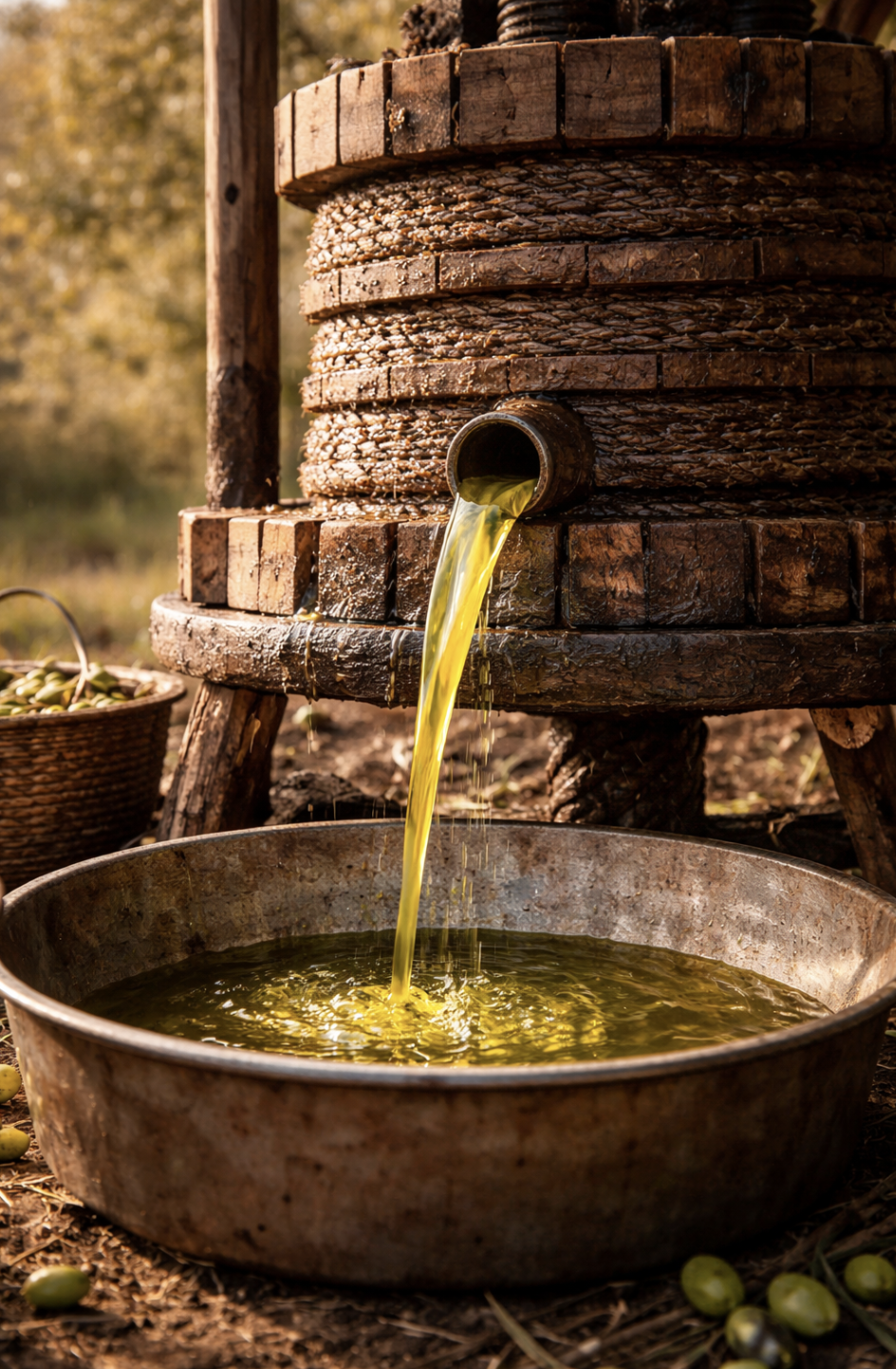
Once the olives are picked, they’re crushed (stones and all) into a paste. The best oils are pressed within hours of harvest, not allowing for too much time in the air. They’re not left to oxidize or ferment, they’re handled like something sacred.
The paste is then spun or pressed to separate oil from water and solid. What rises is liquid gold.
That first, cold press, that’s your extra virgin. No heat should be used, no solvents, and absolutely no shortcuts.
Why does this matter you might be wondering, well, real olive oil is alive in the same way wine is. It carries the scent of the land, nutrients, and it carries soul.
Also, it’s fragile. It bruises with time, light, and heat, so the best oils are bottled in dark glass, labeled with harvest dates, and taste peppery enough to tickle your throat.
If your olive oil doesn’t make you feel something when you dip a crust of bread into it…it’s not real.
This isn’t conspiracy either, and I’m not being paranoid (I swear), it’s actually commerce. The U.S. olive oil market has been quietly flooded with fraudulent oils. Oils cut with cheaper vegetable oils, bottles falsely labeled “extra virgin”, and deodorized, old, or chemically altered oils meant to pass as premium have stormed the market.
A 2011 study from UC Davis found that nearly 70% of imported olive oils labeled “extra virgin” didn’t meet the standard. The FDA has weak enforcement, which makes olive oil fraud possible, and it’s honestly shockingly profitable. Most consumers don’t know what real olive oil is supposed to taste like, so they take advantage of that.
If your olive oil is flavorless, pale, odorless…it’s been stripped of life. It’s not nourishing you, it’s tricking you.
Look for harvest dates, not just expiration dates when buying your olive oils. Buy from small producers or trusted brands and stick to dark glass bottles or tins. Know that good oil isn’t cheap, so if you’re paying $3 for a liter…my money is on it’s not the real thing. Taste it if you can, smell it. If it doesn’t punch you a little, it’s probably not the real thing
Thesee are oils that taste like grass and thunder and lemon zest. That sting in your throat, that’s oleocanthal doing its anti-inflammatory dance, that’s how you know it’s alive.
The longest-living people in the world don’t obsess over calories and they don’t weigh their food or avoid fat. Part of that is probably because anxiety and cortisol levels are no good for us, and we stress about everything related to food these days.
In places like Ikaria, Greece and Sardinia, Italy, people live into their 90s and 100s not just because of genetics, but because of culture, maybe even because of olive oil.
They eat together and move naturally throughout the day. A ton of them garden and rest when their bodies are asking for it. They cook their beans slowly and pour olive oil like it’s holy water. They don’t run marathons at 98 because of some superfood, they do it because they’ve never stopped living well. Olive oil isn’t the whole answer, but it’s part of a tapestry of daily choices that align with vitality.
There’s a myth out there on the interwebs that olive oil can’t be used for cooking, and that’s only partially true.
Yes, high heat can break down some of its compounds, but extra virgin olive oil has a smoke point of around 375°F, which is plenty for most home cooking. Even if you prefer to save your best oil for drizzling, do it with intention. Rub it into your hands if they’re dry and have a spoonful if you’re constipated…really.
So Why Does It Help Us Live Longer?
Because it fights inflammation, supports brain health, lowers cholesterol and blood pressure, reduces risk of chronic disease, improves digestion, and feeds the microbiome.
It also helps because it connects us to our little old grandma, encourages real cooking, requires presence, and rewards care.
Longevity isn’t an accident, it’s a thousand small choices made every day. Olive oil is one of the best ones you can make.
A Few Bottles Worth Your Time
Graza “Drizzle” & “Sizzle” Olive Oil Duo
One for cooking. One for finishing. Both made with love, in Spain, from picual olives.
California Olive Ranch
Reliable, widely available, and labeled with harvest dates.
Kosterina Original Extra Virgin Olive Oil
Fresh, high-polyphenol oil with a peppery kick.
Or better yet, find a small family farm, order it directly, and taste the difference.
Related Reads You Might Enjoy:
The Science of Nostalgia: Why We Long for Summers That Never Really Existed
3D Food Printing: When Chocolate Becomes Art and Why It Matters
The Hidden Violence in Our Food Chain (Even When It’s Vegan)
The Psychology of Tiny Things: Why We Love Miniatures, Dolls, and Dioramas
Olive oil won’t save your life, but it might remind you that life is worth savoring.
Sometimes the secret to longevity isn’t in the numbers, it’s in the warmth of something green and gold, and the weight of a spoon.
Disclaimer: This article discusses general nutrition research and is not medical advice. Individual health outcomes vary, and dietary changes should be made in consultation with a qualified healthcare provider.