I Drank the Same Wine in Bulgaria and America, So Why Did I Only Get a Hangover at Home?
Buckle up here, because I’m about to make a lot of enemies. There’s something people have been telling me for basically my entire career in wine, and that’s: “I can drink wine in Europe and feel completely fine, but when I drink wine in America I get a horrible hangover.”
Then comes the explanation I’ve heard approximately a billion and one times.
“It’s the sulfites.”
As a sommelier, this has bothered me for many reasons, like European wine absolutely has sulfites. Sulfur dioxide is a useful tool in winemaking, and winemakers all over the world use it to protect wine from oxidation and unwanted microbial activity. There are differences in regulations, winemaking practices and individual bottles, of course, but the idea that Europe has beautiful pure wine while America is dumping mysterious hangover chemicals into ours has never really made sense. Also, most people think that red wine has more sulfites in it than white wine, and I’m here to tell you it’s actually the opposite. Think about it for a second, white wine would bruise and turn brown easier than red wine would because red wine has pigmentation to it.
Anyway, I just went to Bulgaria (post about the wine is coming, I swear!) and accidentally conducted the weirdest little experiment.
I drank a bottle of wine there and felt completely fine the next morning. It was Staro Oryahovo Epic Tamyanka to be specific. A truly remarkable bottle, and boy was it yummy. Later, back home in Pennsylvania, I drank the exact same wine (I brought it home with me, TSA let me, don’t look at me like that!).
The kicker is that I felt like absolute garbage the next day.
Suddenly I had questions. This wasn’t Bulgarian wine versus American wine or that nonsense natural wine versus conventional wine, an organic bottle versus a supermarket bottle or even two wines made from the same grape, no, it was literally the same wine.
So if the wine stayed the same, what changed? Apparently, almost everything around it.
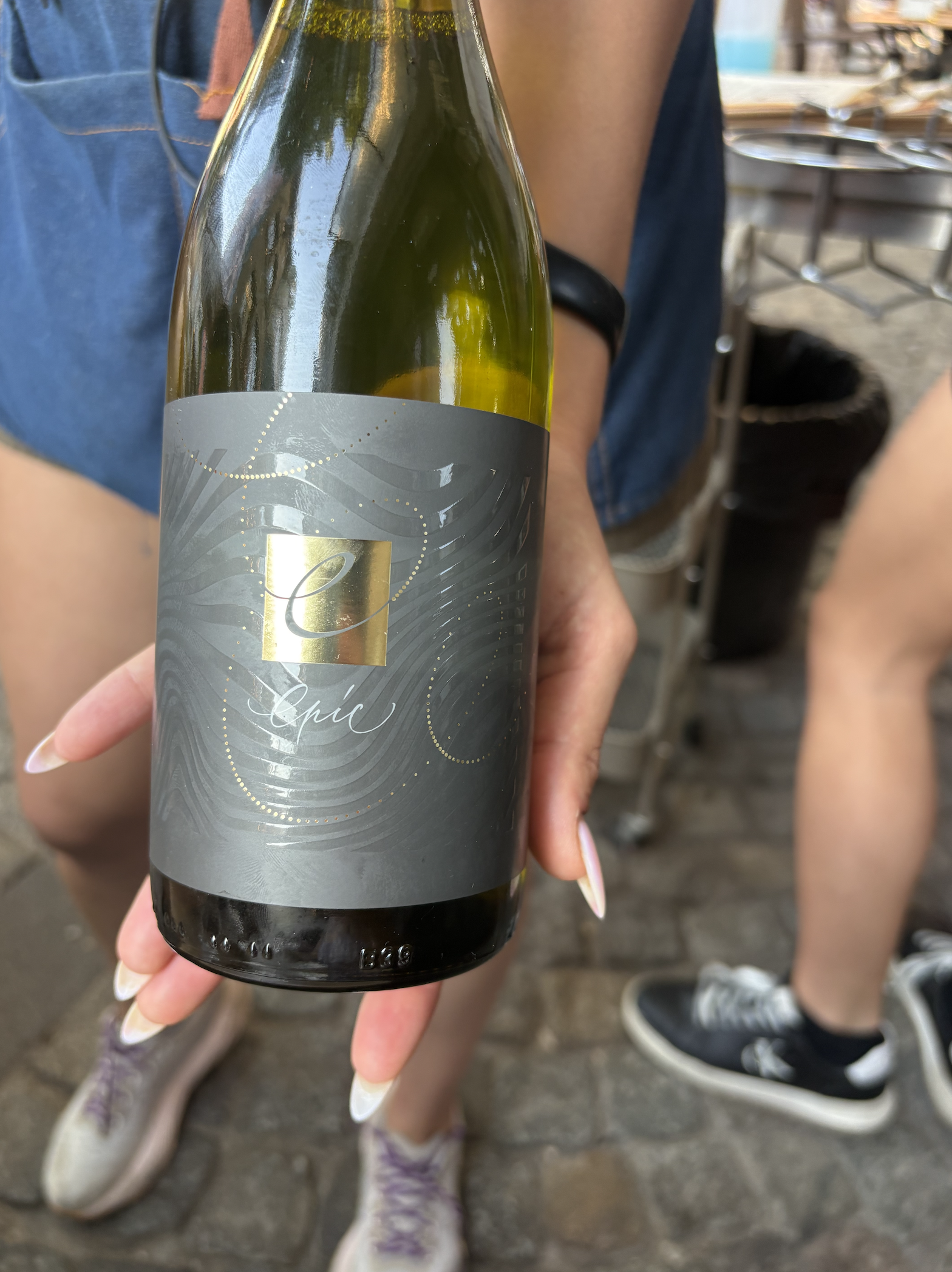
My Accidental Bulgaria Wine Experiment
The day we drank the wine in Bulgaria, my husband and I were with his friends in Plovdiv, which is an absolutely beautiful city and also apparently a great place to accidentally walk six miles in the middle of hot AF summer.
We spent most of the day outside exploring the city in the hot sun. By any logical dehydration argument, this should already have been working against me.
My breakfast was also hilariously unimpressive. I ate truffle-flavored bruschetta chips, because sometimes you're traveling and breakfast is whatever happens to be within reach. Zak’s friends were always ready to be off to explore and because they’re from Bulgaria, they’re used to having the classic coffee for breakfast.
Lunch was sesame chicken and fried zucchini only after we got too faint in the heat and without food to continue on. Dinner was much more substantial and we all shared fresh tomatoes and burrata, grilled pork, grilled chicken and fries. I ate plenty, although it wasn't some enormous meal where I could barely move afterward.
I drank the wine over roughly an hour while we ate dinner, along with around a liter of sparkling bottled water.
I went to bed and woke up completely fine the next day, ready to shimmy my way all over the other cool sights in Bulgaria. At the time, I didn't think much about it, but when I drank that same wine at home, I definitely did.
The American Version Looked Pretty Similar at First
Back home, I had eggs and bacon for breakfast, followed later by tomatoes I had grown in my garden. At work, I ate spring rolls and truffle pizza.
I also walked 4.9 miles during my shift, according to my phone, although obviously walking around an air-conditioned restaurant is very different from spending six miles wandering around Plovdiv in the summer sun.
I ate a decent amount of food. I drank roughly the same amount of wine over roughly the same amount of time, and I had around a liter of sparkling water again. Yes, yes, I drink a lot of sparkling water, but it brings me joy.
The major timing difference was that in Bulgaria, I drank the wine with my dinner. At home, I ate and then started drinking the wine approximately an hour later.
The next morning I felt horrible, and that was when my little sommelier brain started getting annoying, because I wanted to know why.
Sulfites Finally Have an Alibi
Let's get sulfites out of the interrogation room first because, at least in my particular experiment, they have a pretty strong alibi. Whatever amount of sulfites existed in that wine in Bulgaria still existed when I drank it at home. No one was adding extra ones to the bottle in my suitcase to make sure it didn’t go bad on the flight.
Sulfite sensitivity is real, particularly among some people with asthma, and sulfites can cause reactions in susceptible people. Super normal and I get that. I’m not saying sulfites are cool for everyone all the time, but I am saying that’s very different from sulfites being responsible for everyone's standard wine hangover.
The National Institute on Alcohol Abuse and Alcoholism (yes after I looked at this website I started getting AA ads to my social media pages) describes a hangover as the result of several things happening simultaneously in the body. Alcohol can contribute to mild dehydration, disturb sleep, irritate the gastrointestinal tract and trigger inflammation. Our bodies also temporarily produce acetaldehyde while breaking down ethanol, which is a toxic compound that contributes to alcohol's effects on the body.
A hangover is already much more complicated than “I needed another glass of water,” yes, I get it.
Here though, blaming sulfites makes even less sense because I had accidentally controlled for them. The wine hadn't changed, but I had.
My next thought was water, which seemed obvious until I actually thought about what I'd done that day. In Bulgaria, I walked approximately six miles outside in the heat and at home, I walked 4.9 miles primarily in air conditioning. I drank around a liter of sparkling water with the wine both times, and if anything, my overall hydration habits while traveling were probably worse than they are at home.
Alcohol does increase urination because it suppresses vasopressin, a hormone that helps your kidneys retain fluid. That mild dehydration can contribute to some of the familiar symptoms of a hangover, including thirst, fatigue and headache.
According to the NIAAA, however, dehydration is only one piece of the hangover puzzle. Alcohol also disrupts sleep, irritates the stomach, promotes inflammation and creates acetaldehyde during metabolism. That makes my Bulgaria experience especially interesting because I gave dehydration plenty of opportunities to ruin my morning as I spent hours walking through a hot city and still woke up feeling great.
Water clearly matters to how we feel when we drink, but in this particular comparison it doesn't explain why the two mornings were so dramatically different.
Then I Started Thinking About the Food
This is the part I can't stop thinking about. Look at what surrounded the wine in Bulgaria: fresh tomatoes, burrata, grilled pork, grilled chicken, some potatoes. Then look at what I had with it at home: spring rolls and truffle pizza.
I ate eggs, bacon and fresh garden tomatoes earlier that day too, so I'm definitely not comparing a pristine Bulgarian Mediterranean diet with an American day consisting entirely of Doritos and frozen pizza. I also ate chips and fried zucchini in Bulgaria because I love my fried foods and fat as much as the next American.
Still, the overall meals were different, particularly the food closest to when I drank.
The Bulgarian dinner was mostly fresh, relatively simple food cooked in a more clean way. The meal at home was more processed food than fresh. I started wondering whether that could actually change a hangover.
The answer, frustratingly and interestingly, is that it might matter, although science doesn't currently give us enough evidence to say that fresh food prevents hangovers or makes them less bad. I feel like logically, it makes sense in my mind that fresher ingredients are taken care of in your body with a lot more ease than processed. Foods with more chemicals or additives in them most likely work your system harder and that’s more stuff for your body to filter on out.
Eating With Wine Might Matter More Than We Think
If you think about it, alcohol doesn't teleport directly from your mouth into your bloodstream. It travels through your digestive system, and the conditions inside your stomach can change how quickly that alcohol reaches your bloodstream.
Food slows alcohol absorption, which can lower the peak concentration of alcohol in your blood compared with drinking on an empty stomach. That’s one reason eating before and during drinking has been recommended forever, although most of us probably haven't thought much about what’s physically happening.
My two evenings were subtly different.
In Bulgaria, dinner and wine were happening together. I was eating tomatoes and burrata, drinking some wine, eating grilled meat and potatoes and continuing to drink and laugh and have a good time with my husband and his friends. At home, I ate my spring rolls and pizza and then waited about an hour before drinking the wine. I certainly wasn't drinking on an empty stomach, but those two situations aren't identical.
My stomach was actively receiving a mixed meal at the same time as the alcohol in Bulgaria. At home, digestion already had about an hour's head start.
That could have changed how quickly the alcohol was absorbed and potentially changed my peak blood alcohol concentration, even though I drank roughly the same amount over the same period of time. The internet seems to think it’s probably one of the strongest explanations for what happened…because there’s no studies I can find about fresh food and processed foods, although I really am suspicious of this.
Could Fresh Food Actually Change How We Feel After Drinking?
This is where I have to be careful because I love a weird scientific rabbit hole, and sometimes the rabbit hole ends before the answer does.
There’s plenty of research looking at diet and inflammation more generally. Diets rich in fruits, vegetables, fiber and minimally processed foods tend to be associated with healthier inflammatory profiles, while diets high in ultra-processed foods have been associated with higher levels of inflammatory markers in some research.
That does not mean science has proven that eating fresh tomatoes and grilled chicken will protect you from tomorrow's wine hangover, although I wish it were that easy. It’s more of something I’m suspecting but have no evidence for.
It does give us a really interesting question though. If alcohol can trigger inflammatory responses, and food can influence inflammation, digestion, blood glucose and the rate at which alcohol is absorbed, could the food surrounding our wine influence the way we experience alcohol the following morning?
My Bulgarian dinner included fresh tomatoes, burrata, grilled meats and potatoes. It provided protein, fat, carbohydrates and plenty of actual food alongside the wine. The American meal contained plenty of calories too, but it was a very different combination.
I’m not sure if the biggest factor was just eating with the alcohol or the composition of the meal contributed too.
This is exactly the kind of question I wish someone would throw a ridiculous research budget at because I would happily volunteer for the burrata group. My husband and I are itching to go back to Bulgaria, so I also volunteer for the group that they send there.
People Aren't Imagining the “Europe Effect”
People genuinely do feel better drinking wine in Europe. The interesting part is that the wine itself might deserve much less credit than we give it.
Think for a second about how differently many Americans live while traveling through Europe. You might walk six miles sightseeing without even realizing it or dinner can stretch out for hours while wine arrives with food. You're eating local produce, cheese, meat, bread and whatever else the region happens to make all while spending more time outside.
You're eating at different times than normal and away from your work schedule.
Then you come home and drink a glass of wine after dinner on the couch and wonder why the European wine never made you feel this way.
Of course, every trip and every person is different. Europe is also full of processed food, fast food, fried food and plenty of opportunities to make questionable decisions with alcohol. Trust me, I know.
There was only one participant in this study of mine, and unfortunately she was also the researcher. I didn't measure my blood alcohol concentration or weigh my food or track my blood glucose. Nobody was following me around Plovdiv collecting blood samples while I looked at Roman ruins, I was on vacation.
Still, having the same wine twice gave me something I rarely get when people tell me about their European wine experiences. One major variable stayed the same, which was the bottle of wine, which means something outside the bottle created the difference, even if I can't know exactly what it was.
As a sommelier, I've spent years thinking about what food does to wine. Acid makes this taste different, fat changes that. Salt softens bitterness and protein changes tannin, all while a particular sauce can completely transform the way a wine tastes.
I hadn't spent nearly as much time thinking about what the food might be doing to us while we're drinking it.
Other Reads You Might Enjoy:
The Art of the Hangover Cure: What Science, Culture, and This Sommelier Say to Do
A Sommelier’s Perfect Finger Lakes Trip: Wineries, Waterfalls, and Unforgettable Bites
The Future Is Light: Penfolds Bets Big on No- and Low-Alcohol Wine
Fermented Futures: The Rise of Alt-Alcohols (Kvass, Tepache, Makgeolli)
An Ode to Yeast: The Microscopic Magician Behind Every Glass of Wine
How to Buy Great Wine at a Regular Grocery Store (Without Getting Scammed)