Subscribe to Snail Mail Sommelier
If you’d like to get letters in the mail from me. I send wine information, general education, as well as news and updates you probably don’t want to miss.

The Future Is Squirming: Silkworms, Protein, and What Comes Next
I started reading about a company using silkworms for protein and ended up learning how a caterpillar can manufacture a molecule for a laboratory. There was considerably more going on than dinner.

The Internetless Revolution: How Jack Dorsey’s Bitchat Works Offline
Apparently, the phones in our pockets can pass messages across a crowd without using the internet. How Bitchat does it, and why Bluetooth suddenly got a much more interesting job.

Blood Plastic: Can We Really Filter Microplastics From Our Blood?
A clinic offers to take plastic out of your blood. Naturally, I had questions about the machine, the measurements, and what happens to the person afterward.

What Is Sugar Alcohol, and Is It Safe to Eat?
Sugar alcohol sounds like dessert met wine. The actual chemistry explains sugar-free gum, unhappy stomachs, and why erythritol and maltitol behave differently.

Could Starship Really Reach Mars in Three Months?
Three months to Mars is an exciting possibility. Here’s where the idea came from, why the trip is so difficult, and what Starship still needs to demonstrate.
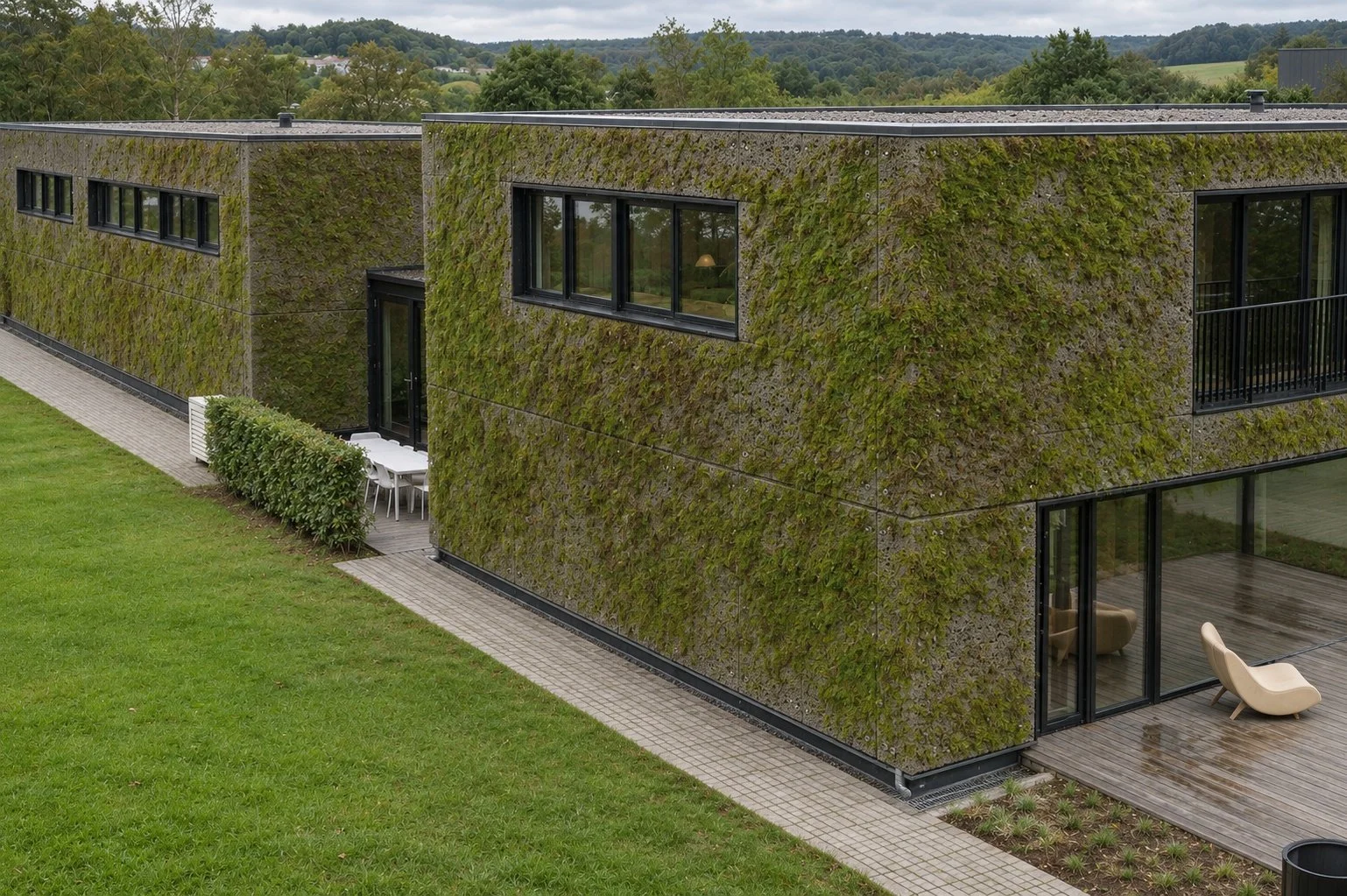
Moss-Covered Concrete, and What It Takes to Grow a Living Wall
I love the idea of a moss-covered building. Here’s how bioreceptive concrete works, what it takes to establish the plants, and where the environmental benefits need closer measurement.

Is Earth’s Core Really Leaking Gold? What Scientists Found in Hawaii
A tiny chemical difference in Hawaiian volcanic rocks has scientists looking deep inside Earth. I followed the gold headline into ruthenium, mantle plumes, and the much older history of the metal itself.
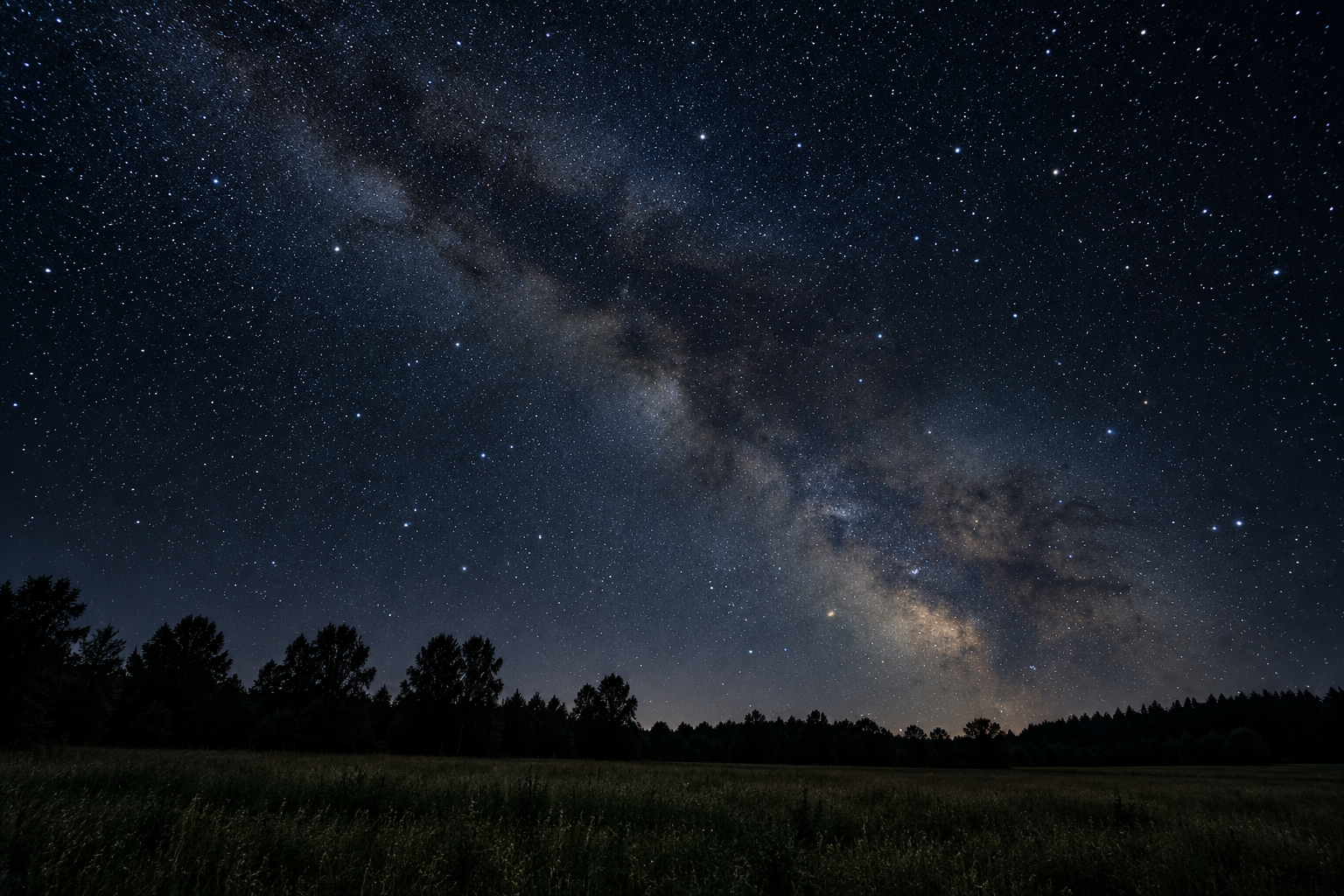
Are Humans Made of Stardust? The Elements Inside You
The elements inside us have very different histories. Follow hydrogen back before the first stars, then explore how stellar generations supplied many of the ingredients in our bodies.

Why We Cry: Hot Tears, Cold Tears and Emotional Release
I’ve cried over a half-burnt piece of toast, so I wanted to know what tears are actually doing. Here’s what the science says about crying, sore eyes, comfort, and that sometimes-delayed sense of relief.

When the Earth Was a Single Continent: What Pangaea Can Teach Us About Now
The Atlantic hasn’t always been an ocean, and a fossil leaf can help explain why. I followed Pangaea’s story from moving plates and ancient landscapes to the connections crossing the ocean today.

How Japan’s HAL Exoskeleton Uses Muscle Signals to Help People Move
HAL can use faint electrical activity detected at the skin to assist movement. I look at how the system works, what studies have found, and the people and practical decisions behind the robotic suit.

China’s HEPS: A Giant X-Ray Light Source for Tiny Questions
HEPS is an enormous machine built to ask very small questions. I look at how its X-rays work, what researchers can study, and why brightness, detail, and speed tell us different things.

KAIST’s Cancer-Reversion Research: Can We Change What a Cancer Cell Does?
KAIST researchers are studying whether changing a cell’s regulatory networks can shift cancer-related behavior toward a normal-like state. I look at the actual experiments, the related studies, and why the possibility still fascinates me.

Can You Wake Up Speaking a Different Language?
A story about waking up speaking differently sends me into the strange science of accents, language, and all the work behind an ordinary conversation. The real cases are fascinating, with a few important details the headlines tend to leave behind.

Do Animals Know They’ll Die? What We Can Learn From Their Behavior
Elephants investigate remains, crows learn about danger, and dogs can change after losing a companion. I look at what those responses might mean, with a few thoughts about Riesling and why kindness doesn’t need to wait for a complete answer.

Real-Life Shape-Shifters: The Science of Biological Camouflage
Cuttlefish can change their skin, chameleons shift reflected light, and some caterpillars get mistaken for twigs. I wanted to know how all these different defenses work.

Why Telomeres Matter, and What They Can’t Tell Us About Aging
I wanted to understand the chromosome ends that keep appearing in aging stories. The biology is fascinating, but longer telomeres and a precise biological-age score aren’t the same as better health.

The Science of Decomposition: What Really Happens When We Die
I wanted to understand what actually happens to a body after death, without the rigid timelines or the gruesome details. The answer involves microbes, insects, changing conditions, and some remarkable exceptions.

The Strange Side of Space: Dark Worlds, Cosmic Voids and Unanswered Signals
I love space, especially the parts that make everyday intuition stop working. Here are dark worlds, bent light, unusual signals, and a few mysteries that need a clearer explanation than “probably aliens.”

How Tesla’s Batteries Fit Into America’s Changing Power Grid
I love the idea of saving daytime solar energy for a kitchen after sunset. Tesla’s Nevada cells are part of that story, along with some surprisingly important details about capacity, chemistry, and what stays powered during an outage.