Subscribe to Snail Mail Sommelier
If you’d like to get letters in the mail from me. I send wine information, general education, as well as news and updates you probably don’t want to miss.

How Tesla’s Batteries Fit Into America’s Changing Power Grid
I love the idea of saving daytime solar energy for a kitchen after sunset. Tesla’s Nevada cells are part of that story, along with some surprisingly important details about capacity, chemistry, and what stays powered during an outage.

How Safe, Wanted Touch Can Support Trauma Recovery
Gentle touch has the power to rewire a traumatized brain. Explore the science behind how human connection, hugs, and skin-to-skin contact can soothe PTSD and awaken healing.

Why Octopuses Seem Like Aliens, but Evolved Right Here on Earth
Octopuses defy biology, logic, and evolution. With bizarre genetics, shape-shifting intelligence, and alien-like behavior, some scientists believe they may be Earth’s closest thing to extraterrestrial life. Dive into the mystery.

The Smell of Space: What Astronauts Actually Describe
Astronauts describe metallic, smoky odors after spacewalks. Here’s what they actually smelled, why lunar dust is different, and what NASA does about cabin odors.

Scientists Made Skin Cells Seem 30 Years Younger. Here’s What That Means.
Scientists shifted several aging measures in laboratory skin cells by about thirty years. The details involve cell identity, collagen, biological clocks and a very different question from looking younger.

The Hidden Intelligence of Your Gut
The gut has its own nervous system, and its microbes interact with the rest of us in fascinating ways. A personal look at stress, serotonin, food and the evidence behind gut-health claims.

4th of July Wine Pairings: Fireworks, Freedom, and a Perfect Glass
A cookout plate can hold five different foods at once. Here are the wines I’d choose for burgers, hot dogs, corn and dessert, and how sauces and toppings change the pairing.

Grok 4: What the AI Can Do, and Why I Still Have Questions
Grok 4 arrived with impressive results and a confident voice. A closer look at what the tests measure, what the tools can do and why I still want to check the answer.

Do Eggs Choose Sperm? Fertilization Is Stranger Than a Race
Chemical signals, fluid movement and molecular recognition make fertilization far more interesting than a dash to the finish line. Here’s the science behind the egg-choice headlines.

The Navy’s Laser Weapons: What Light Can Do at Sea
The Navy is developing weapons that deliver energy with light. The real story includes SONGBOW, shipboard tests, optical dazzlers and an ocean that complicates everything.

The Birth Drought: Why Fewer Babies Could Reshape the World
Falling fertility changes the shape of a society. The story includes family costs, care, aging and the choices people want to make, alongside some surprising recent numbers.

Damola Adamolekun’s Red Lobster Turnaround, Beyond the Shrimp Headlines
Red Lobster’s comeback involves a new owner, familiar dishes, new ideas and a great deal of restaurant work. Here’s what has changed under Damola Adamolekun, with a 2026 update.

Living Alone in America: The 2025 Salary Estimates for Every State
What does getting by actually cover? A sourced 2025 state comparison, the cost of living alone and why a salary chart needs context. Reviewed and clarified in October 2026.

Can Drones Help Grow a Forest? Brazil’s Restoration Experiments
Brazil’s real forest-restoration projects combine drone seeding, native plants, field teams and years of follow-up. Here’s what the technology can help do, with an October 2026 update.

How Exercise May Support Recovery After Trauma
Movement may support well-being and some aspects of trauma recovery. Here’s what the research actually shows, how mouse findings differ from human trials and why exercise complements care.

Five Days for the Gods at the End of the Egyptian Year
Five extra days completed the Egyptian year. Their divine birthdays came with stories, protective concerns and New Year traditions that make the history richer than a five-day party.
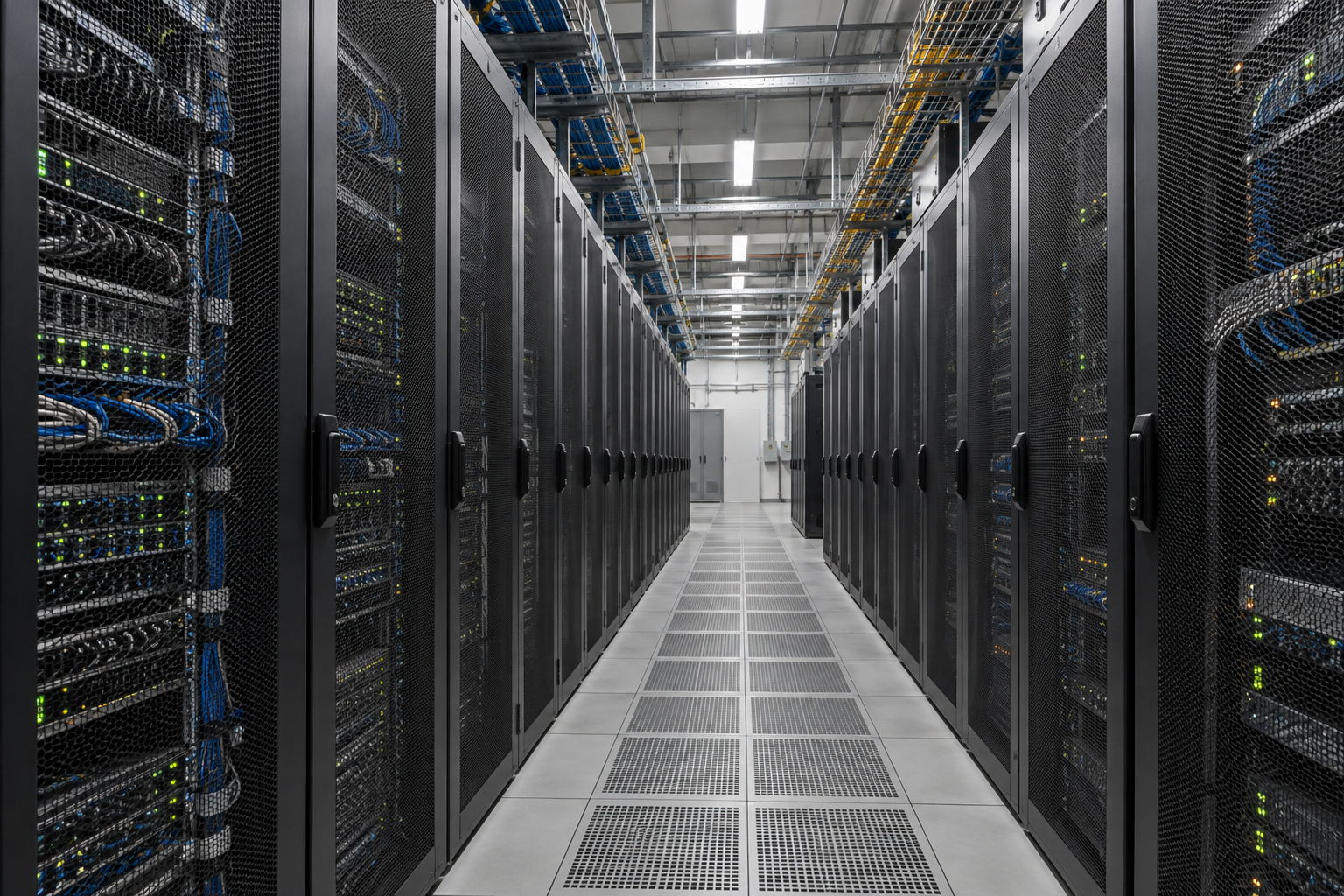
Who Controls the Computing Power Behind AI?
The global AI divide involves hardware, ownership, energy and usable access. Here’s what the old 32-country figure counted, and how shared resources can widen participation.
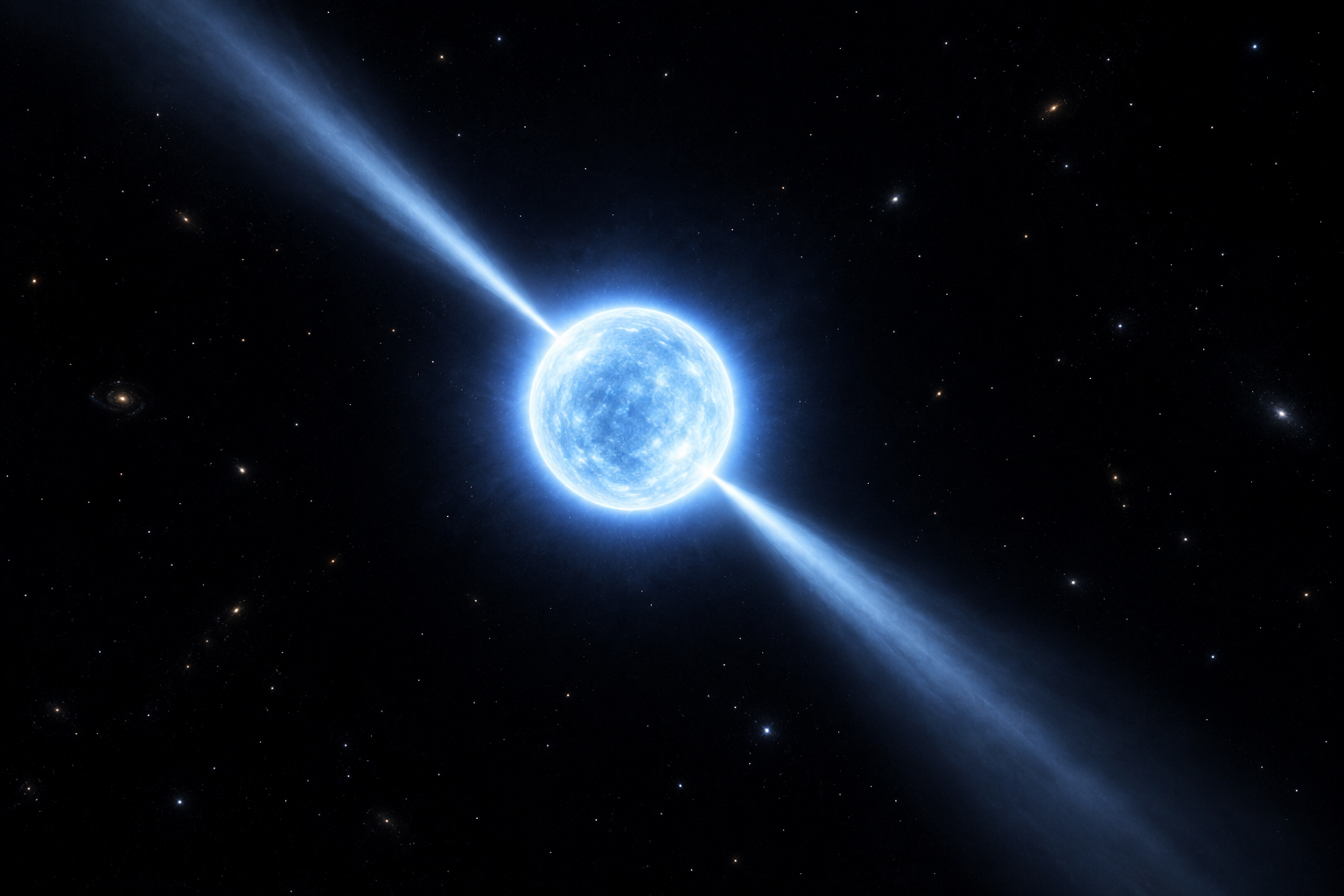
How Heavy Is a Teaspoon of Neutron Star Matter?
A tiny spoon and a mountain's worth of matter make a wonderfully strange comparison. Here's the physics behind it, from collapsing stars and layered interiors to pulsars spinning hundreds of times a second.

The Antarctic Radio Pulses That Still Need an Explanation
A balloon above Antarctica recorded unusual radio pulses, and the follow-up experiments made the puzzle even more interesting. Here's what the measurements show, what remains uncertain, and how PUEO is continuing the work.

The Invisible Ink of Law: How Bills Actually Become Reality
A headline says a bill passed. But passed what? From committee votes to agency rules, here’s how to follow the decisions shaping everyday life, with a corrected look at the GENIUS Act.