Subscribe to Snail Mail Sommelier
If you’d like to get letters in the mail from me. I send wine information, general education, as well as news and updates you probably don’t want to miss.

Bioluminescence and the Poetry of Self-Made Light
Explore the wonder of bioluminescence: self-made light in oceans, forests, and caves. A journey into the science, symbolism, and secrets of living light.

Chamomile and Chill: The Science of Calming Plants
Discover the soothing world of chamomile and other calming plants. From their poetic beauty to the science behind their gentle magic, explore how nature whispers peace into our bodies and minds.

Was a Moon Rock Almost Sold on eBay? What Really Happened
Can you buy a piece of the Moon? I untangle a NASA sting, stolen Apollo samples and legitimate lunar auctions—and why the eBay version needs correcting.

How Coral Reefs Remember Storms and Surges
Coral skeletons can preserve clues about storms, floods and past ocean conditions. Here's what reef memory really means, from growth bands to recovery.

The Great Sphinx: Echoes of a Civilization Lost to Time
An older Sphinx, a recarved lion and a hidden Hall of Records: the theories pull me in. Here's where the evidence ends and the speculation begins.
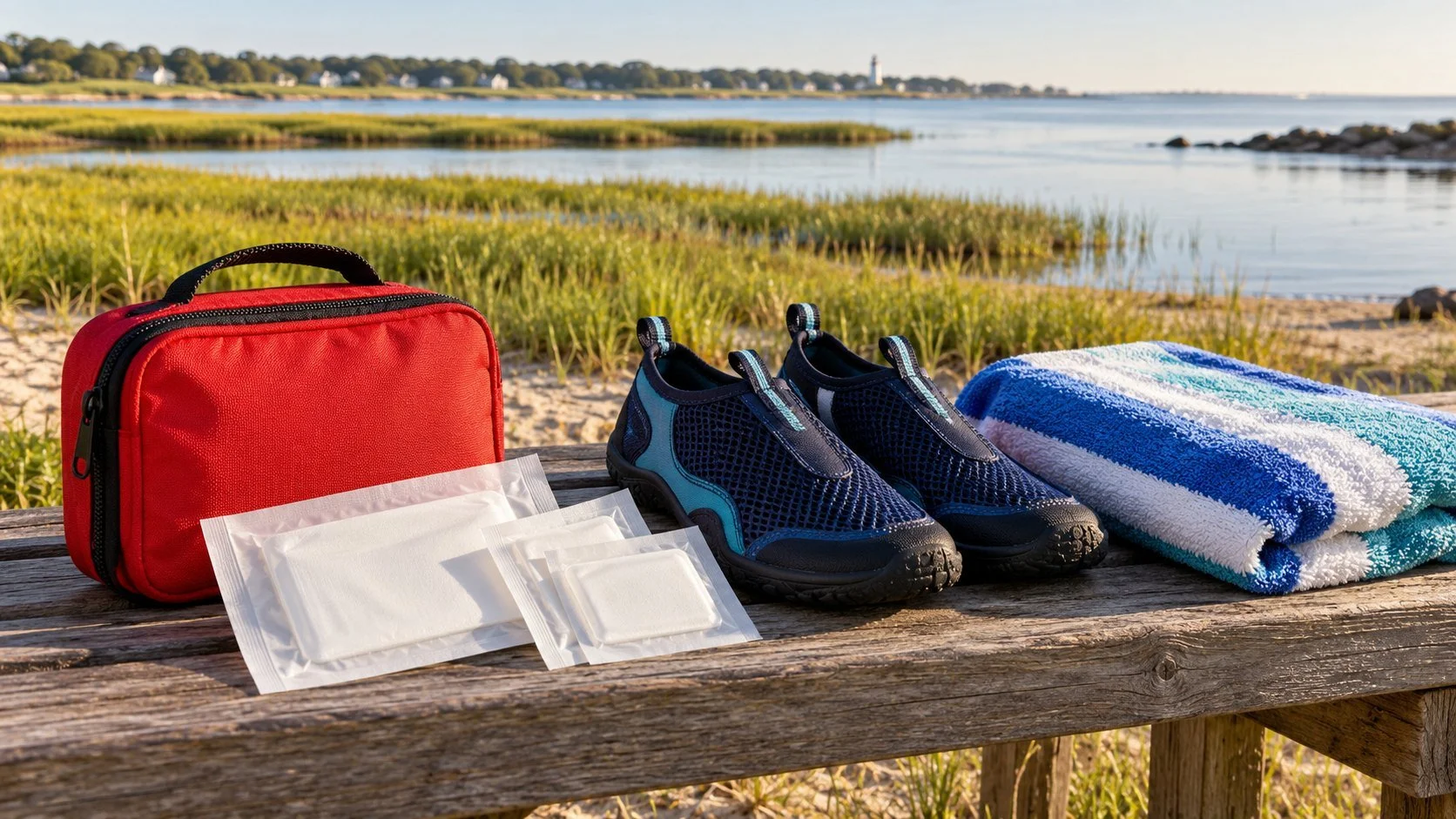
Vibrio vulnificus: The Real Risk Behind “Flesh-Eating Bacteria”
The “flesh-eating bacteria” headlines are frightening. Here’s what Vibrio vulnificus actually does, what the numbers show, and which precautions are worth remembering.
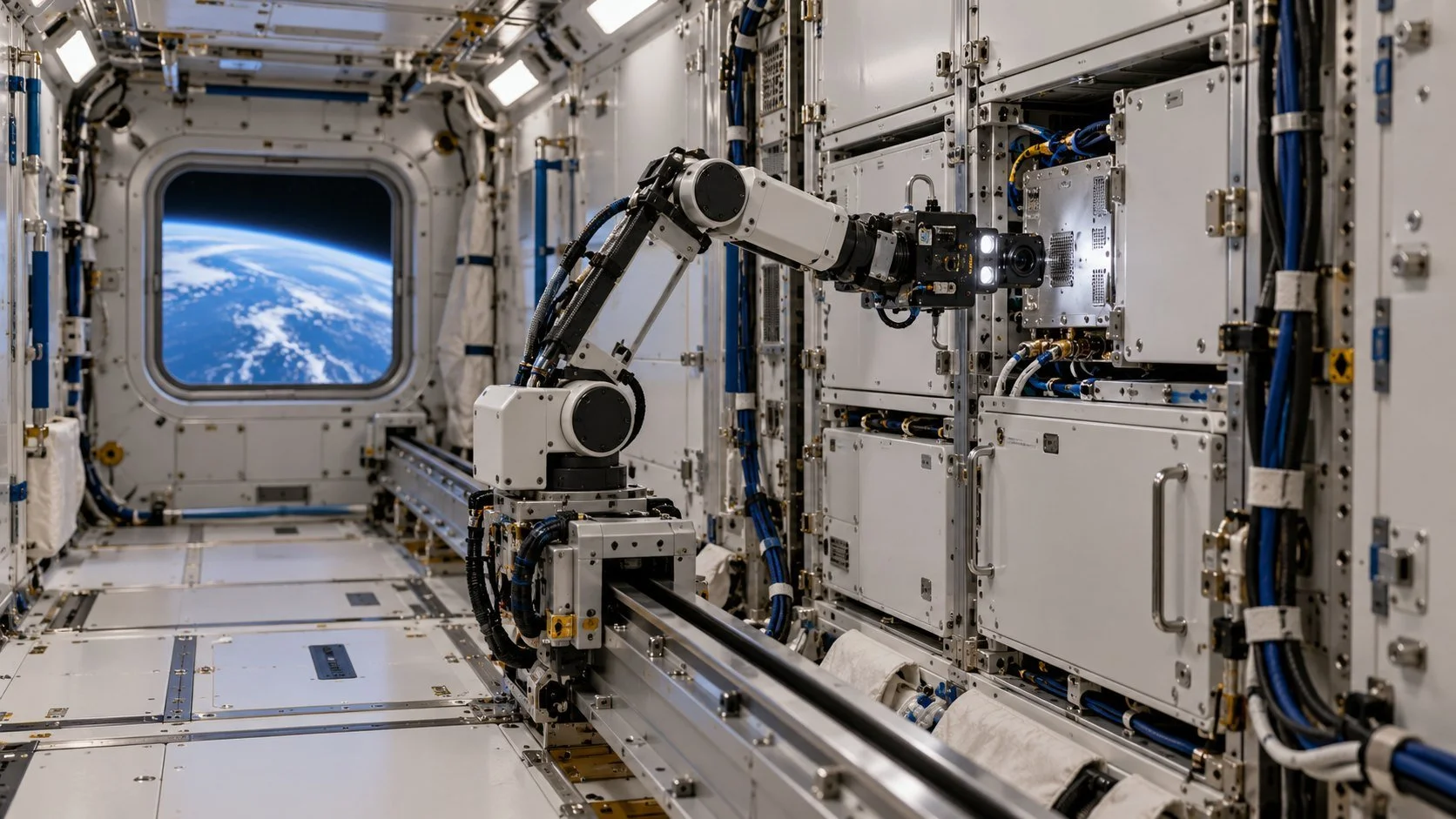
Russia’s Robotic Space Station: What “Self-Maintaining” Really Means
Russia wants robots to help maintain its next orbital station. The real story involves changing plans, replaceable parts, ground teams, and some very clever machinery.
Can AI Be an Inventor? DABUS and the Fight Over Machine Creativity
A food container, a flashing light, and a machine named DABUS sent patent offices into a global argument over credit, ownership, and what it means to invent.
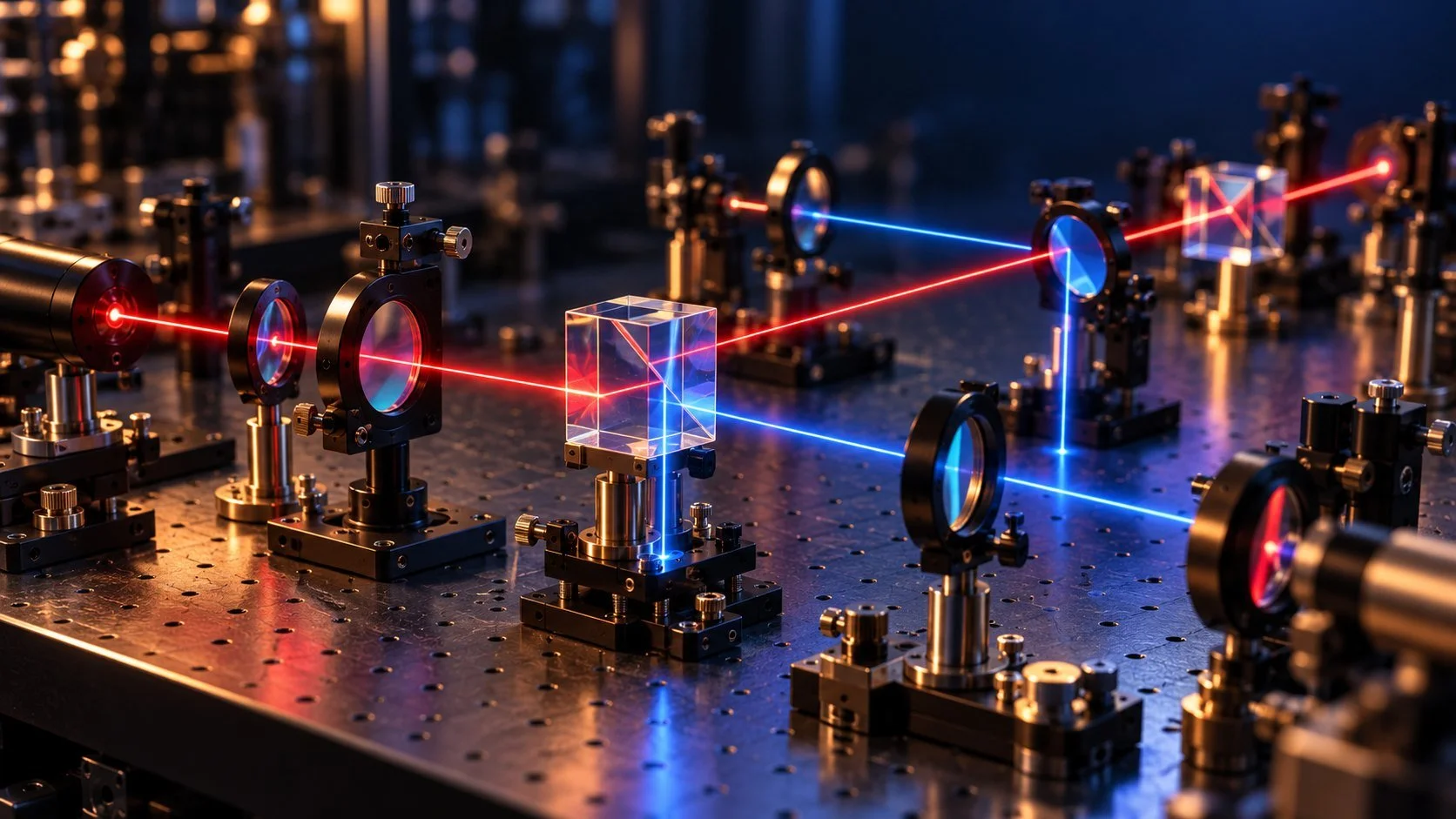
Quantum Time Reversal: Scientists Can Rewind a Qubit. Here’s How.
Scientists in Vienna restored a photon’s earlier quantum state without knowing exactly how it had changed. Here’s the real science behind quantum time reversal, and the parts the headlines tend to skip.
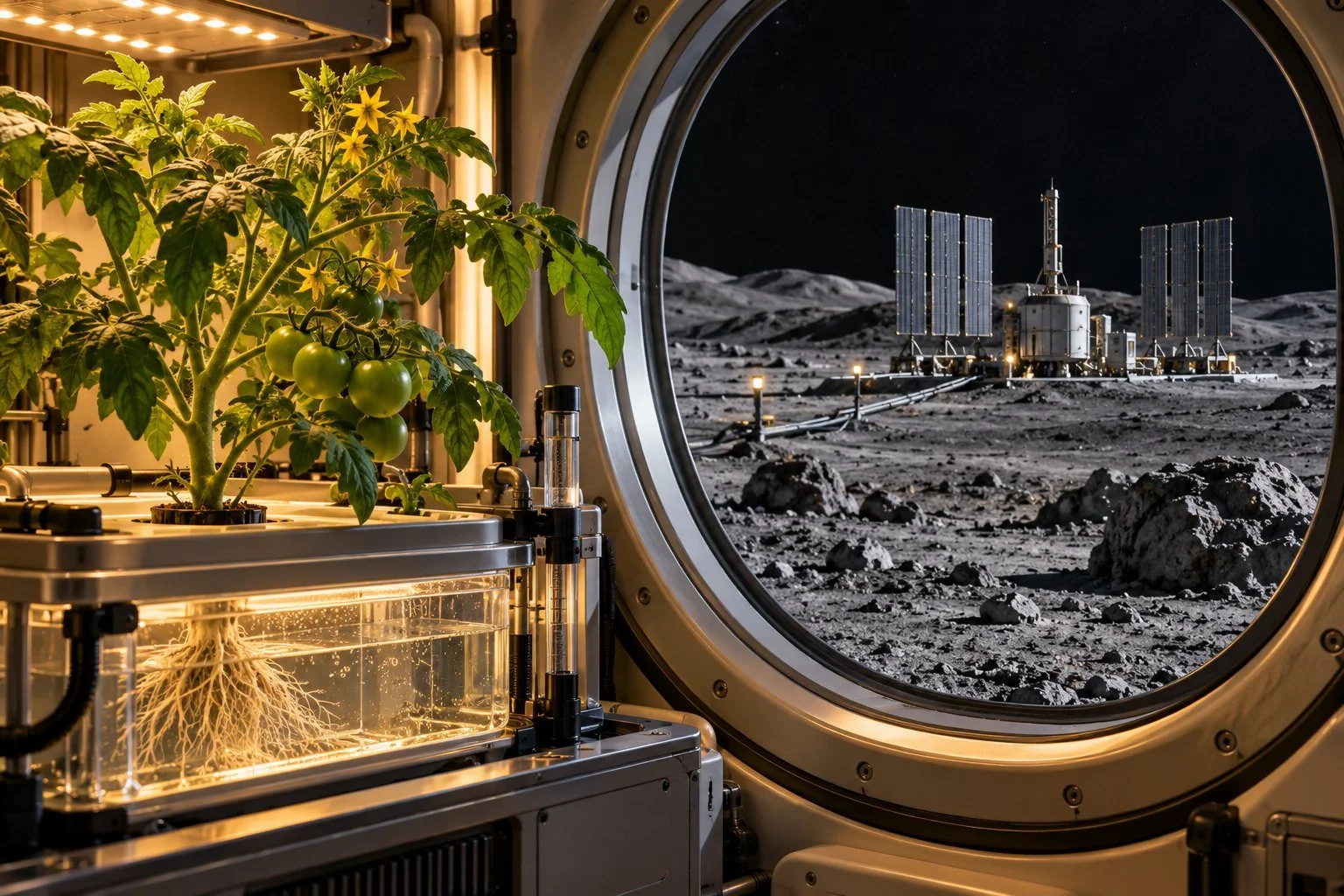
NASA’s Moon Nuclear Reactor: Keeping the Lights On in Lunar Night
NASA wants a nuclear reactor ready for launch to the Moon by 2030. The reason involves two-week nights, sharp dust, frozen water and keeping astronauts alive.

The River Doesn’t Forget: How Cocaine Ended Up in Every Shrimp Tested
Cocaine appeared in every pooled shrimp sample in a Suffolk river study. Beneath the strange headline lies a quieter story about wastewater, wildlife and what our rivers carry.
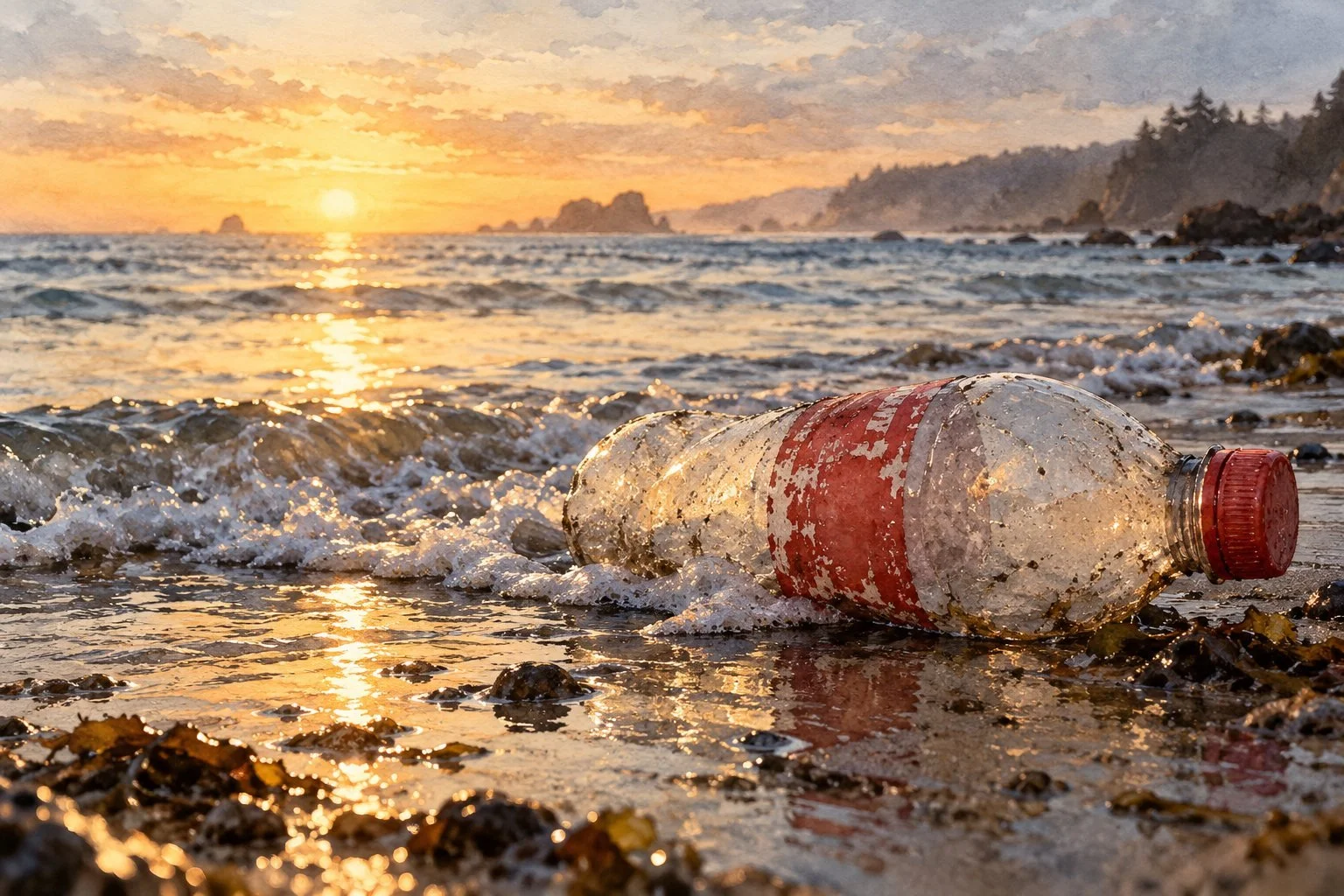
When Plastic Speaks: Coca-Cola, Corporate Power, and the Global Tide of Waste
The fizz fades. The bottle stays. Explore Coca-Cola’s plastic pollution footprint, the promises behind recycling, and the small music of a bottle finding its way home.
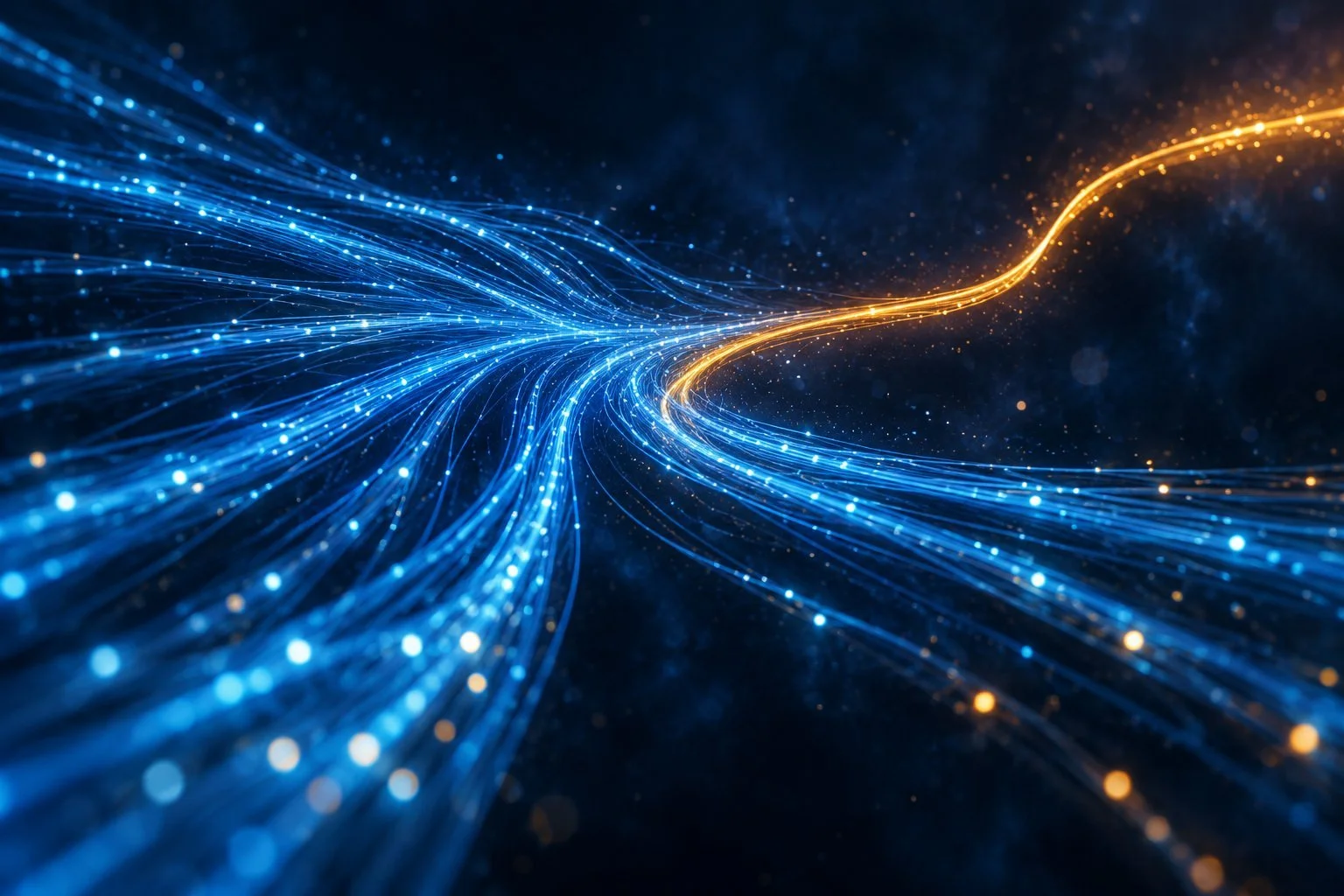
When the Internet Lost Its Way: The 18 Minutes That Haunted Cyberspace
In April 2010, erroneous routing announcements raised global concern. Explore what the eighteen-minute incident showed, what it didn’t prove, and how BGP works.
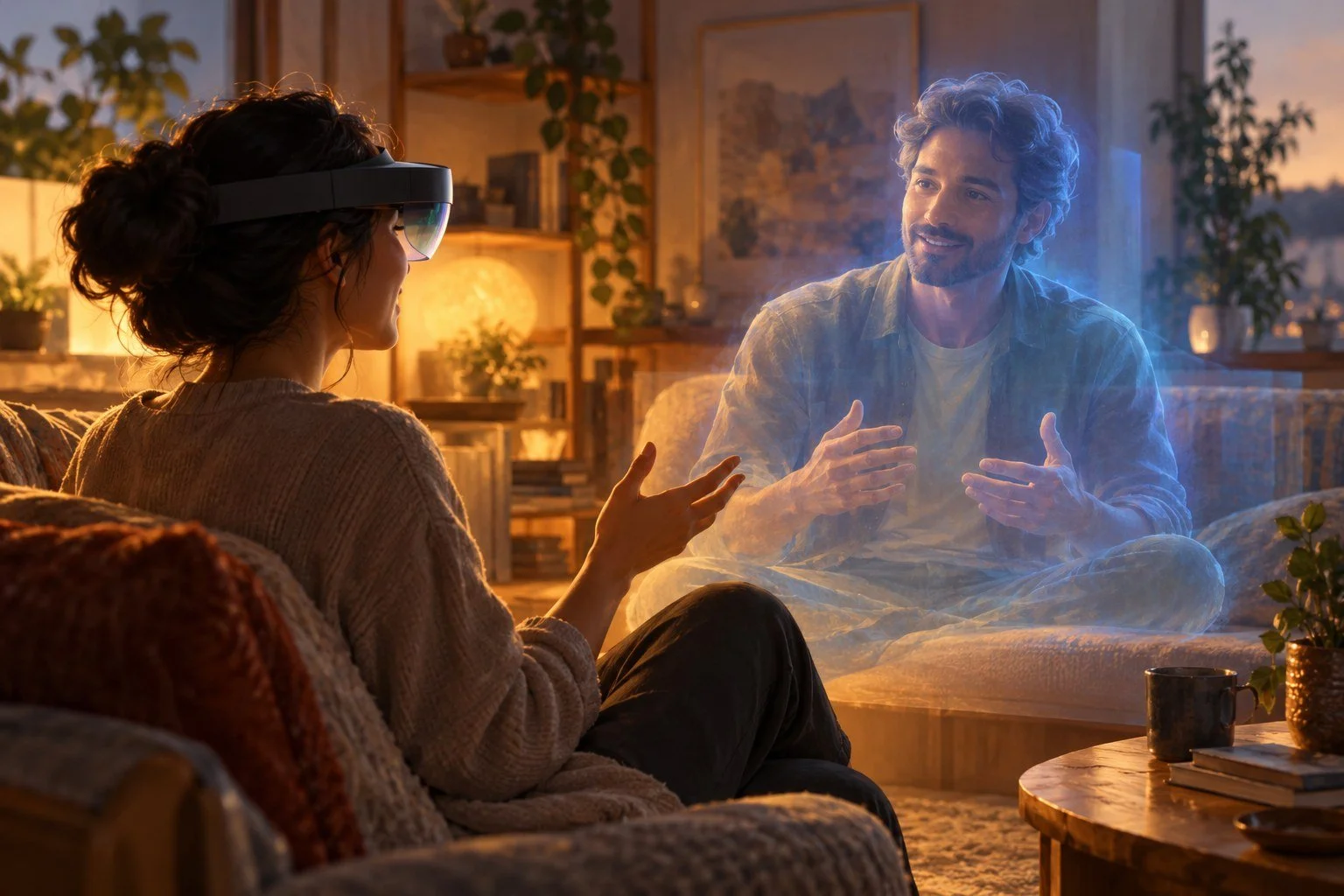
Through the Glass of Light: Microsoft’s Vision of Holographic Teleportation
Microsoft’s holoportation turns live 3D capture into a new kind of remote presence. Explore the real research, medical uses, limits and changing product landscape.

The Quiet Weight of a Civilization That Vanished: The Mystery of the Indus Valley’s Disappearance
The Indus cities changed, but their people didn’t vanish. Explore the rivers, climate, farming and social pressures behind a civilization’s transformation.

How Many Cells Are in Our Bodies? The Count That Keeps Changing
We're made of tens of trillions of cells, but the total depends on the body and the method. Here's why counting them is harder, and stranger, than it sounds.

When the Buzz Fades: Are Wireless Signals Harming Bees?
Are wireless signals harming bees? A gardener's look at electromagnetic-field research, its limits, and the established pressures pollinators face.

The Secret Lives of Lab Rats
Lab rats play, learn and respond to the lives we give them. Tickling, helping experiments and tiny cars reveal why their welfare belongs in the science.

The Beast That Shouldn’t Exist: Why the Platypus Is Nature’s Rebellious Joke on Logic
Eggs, milk, a sensory bill and ten sex chromosomes: the platypus keeps surprising me. Let's separate its remarkable biology from the myths that follow it.
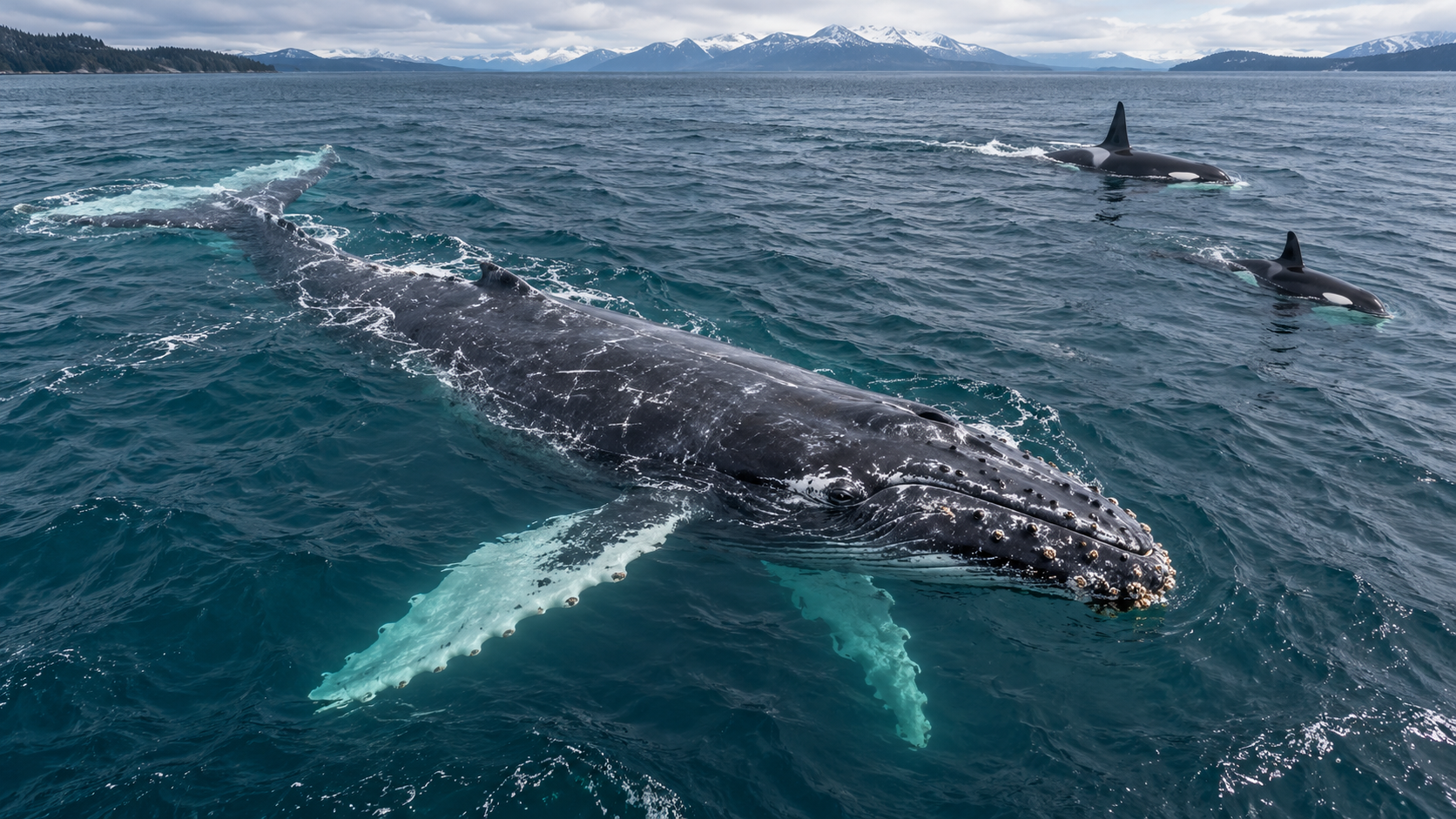
The Whale That Would Not Let Death Pass: Why Humpbacks Keep Crashing Orca Hunts
Why do humpback whales interrupt orca hunts? The documented encounters reveal predator mobbing, possible altruism, and a mystery about animal behavior.