Subscribe to Snail Mail Sommelier
If you’d like to get letters in the mail from me. I send wine information, general education, as well as news and updates you probably don’t want to miss.
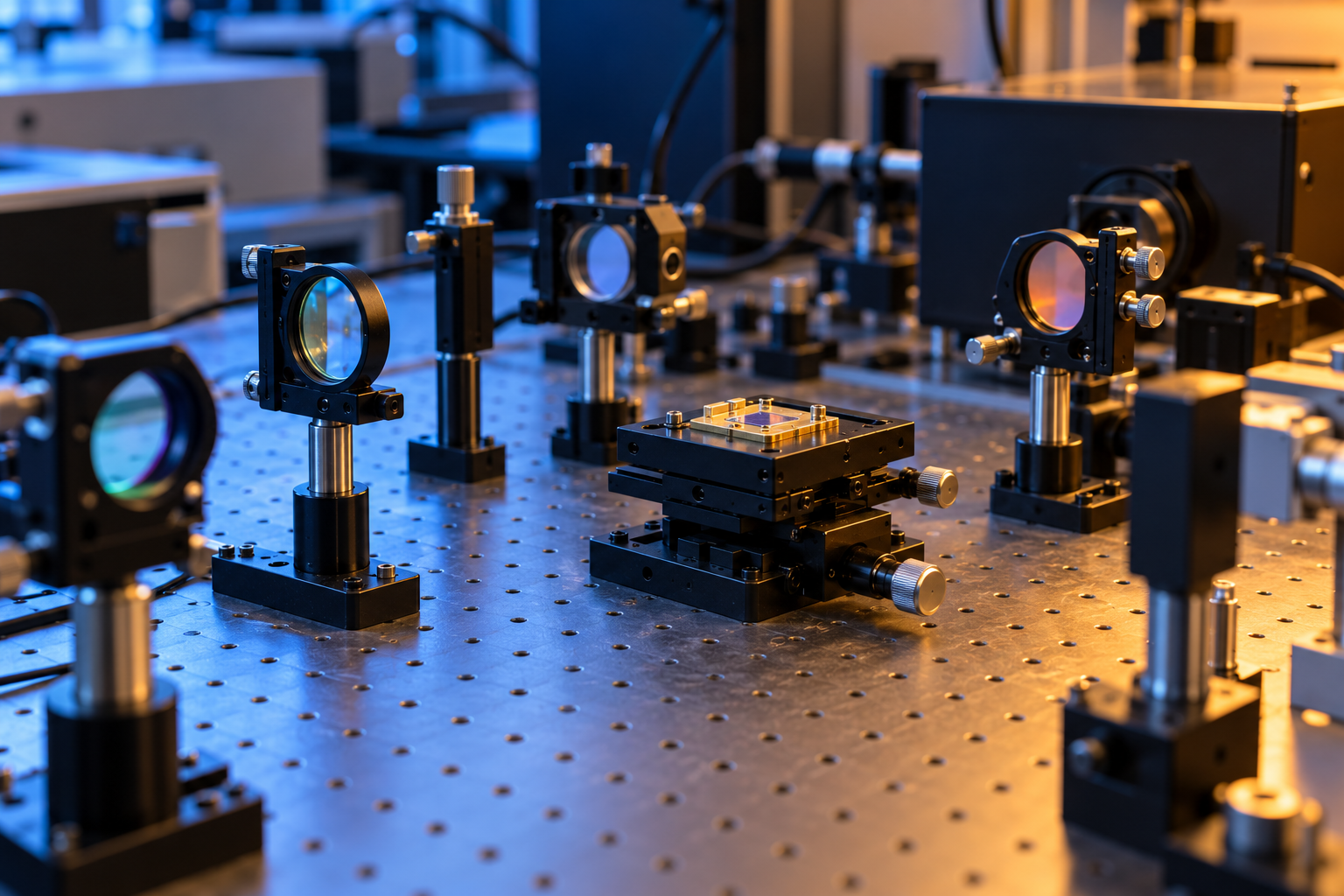
Scientists Made a Supersolid With Light. Here’s What That Means
The headline sent me thinking about sunlight as a paperweight. The real story involves light, semiconductors and a quantum state with an unusual combination of order and motion.

Digital DNA: How Much of Us Can Our Data Really Recreate?
A profile can predict an interest. A model can imitate a voice. But how much of a person do those resemblances contain? I wanted to look at what our digital traces can actually become.

I Asked Grok: What’s a Truth You Think Is Vastly Misunderstood?
I asked Grok what truth people misunderstand. Its answer sent me into the science of memory, leading questions, confidence and the stories we tell ourselves.
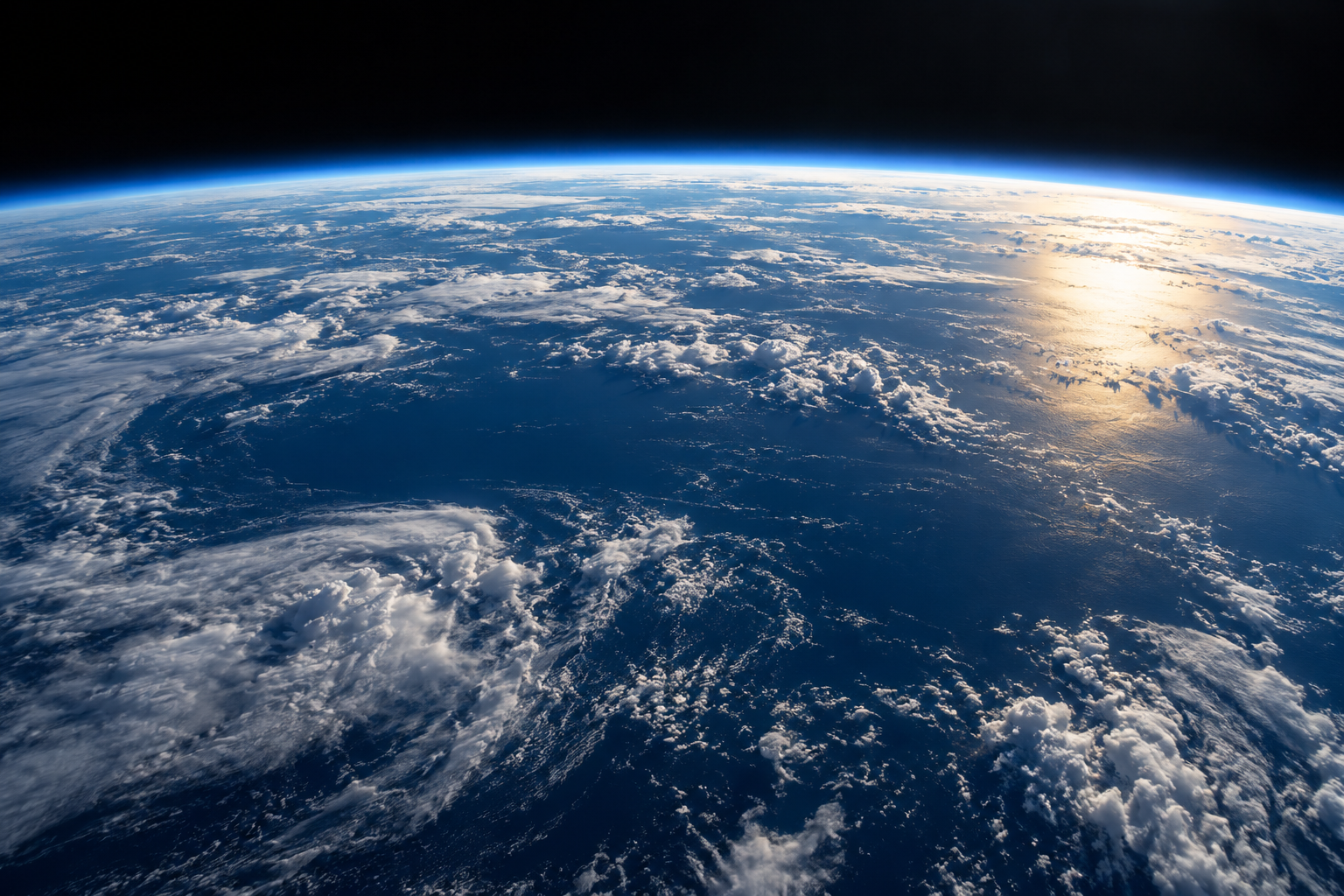
Why We Can’t Feel the Earth Spin
Earth carries us around its axis at hundreds of miles an hour. Here’s why the motion feels ordinary, where acceleration fits in, and how a pendulum can reveal the spin.

When the Atom Breaks Twice: What Happens When Nuclear Sites Are Bombed
A reactor, an enrichment facility and a nuclear weapon pose different dangers. Here’s what damage, radioactive releases and the June 2025 Iran reports actually tell us.
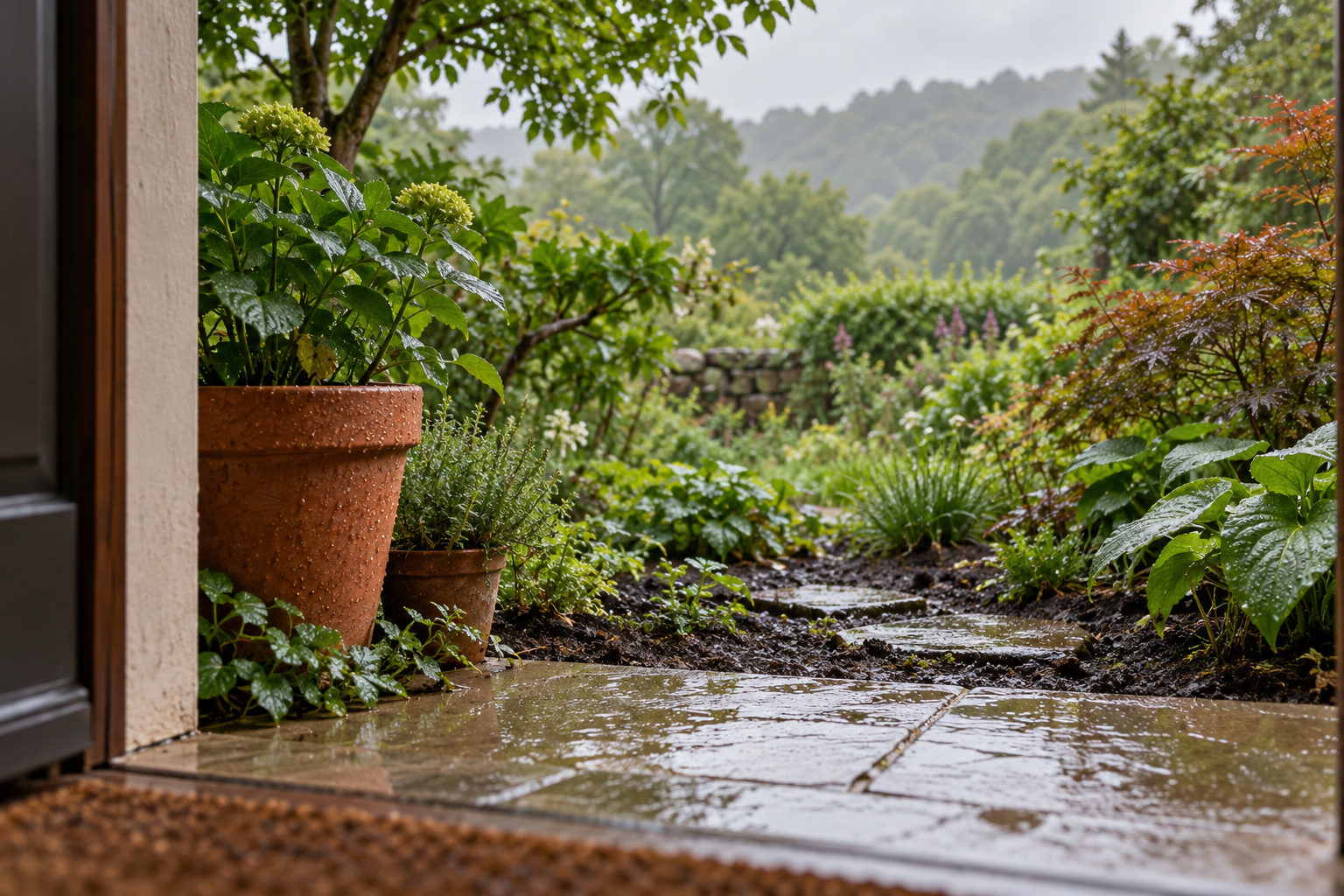
Why the Smell of Rain Feels Like Coming Home
Petrichor brings together soil chemistry, rainfall and the way we remember. Here’s why that earthy smell can feel so familiar, without meaning the same thing to everyone.
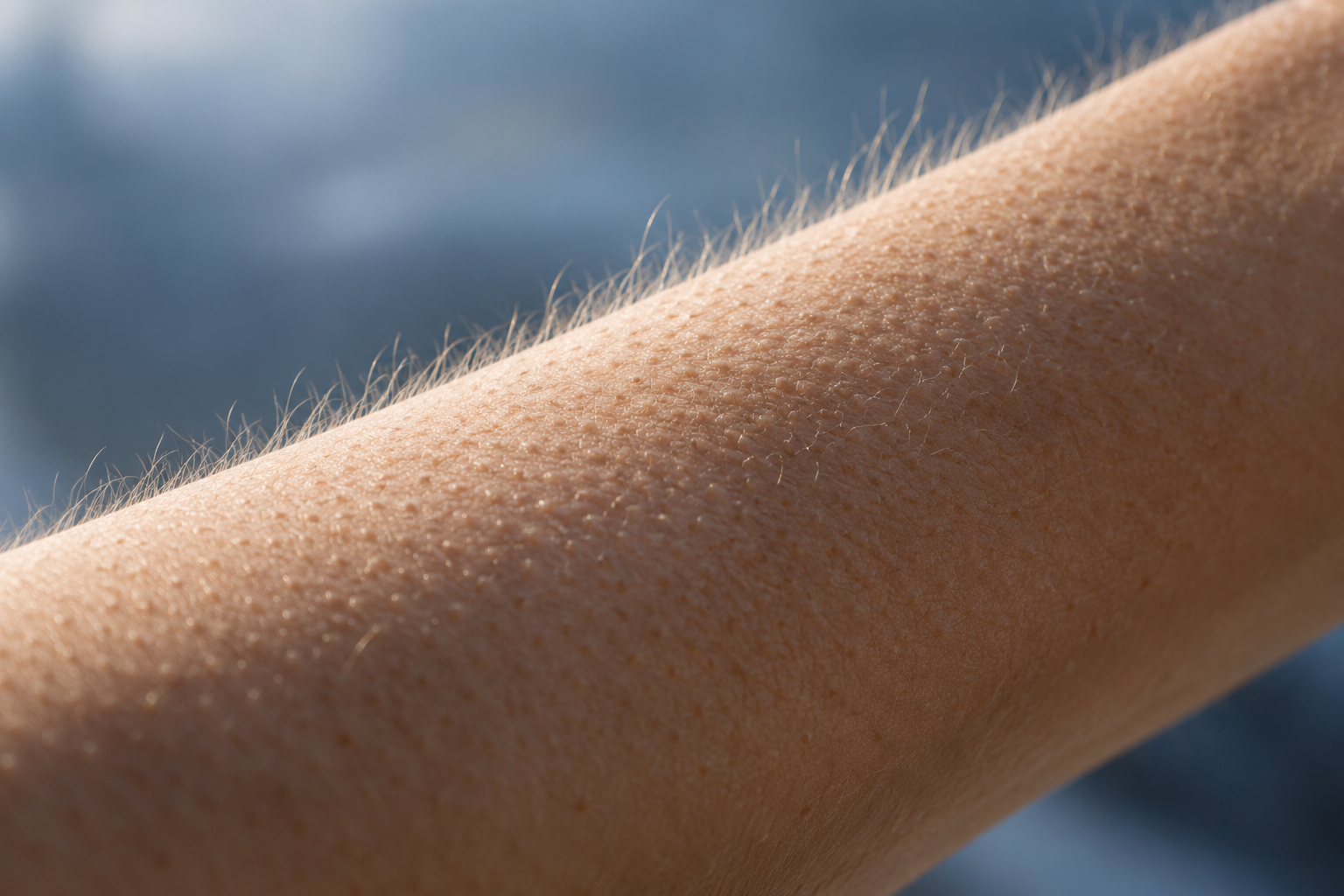
Goosebumps: Evolution’s Lingering Echo on Your Skin
Goosebumps connect tiny muscles to cold, fear and musical chills. Here’s what they reveal about evolution, hair growth and the limits of reading our skin.
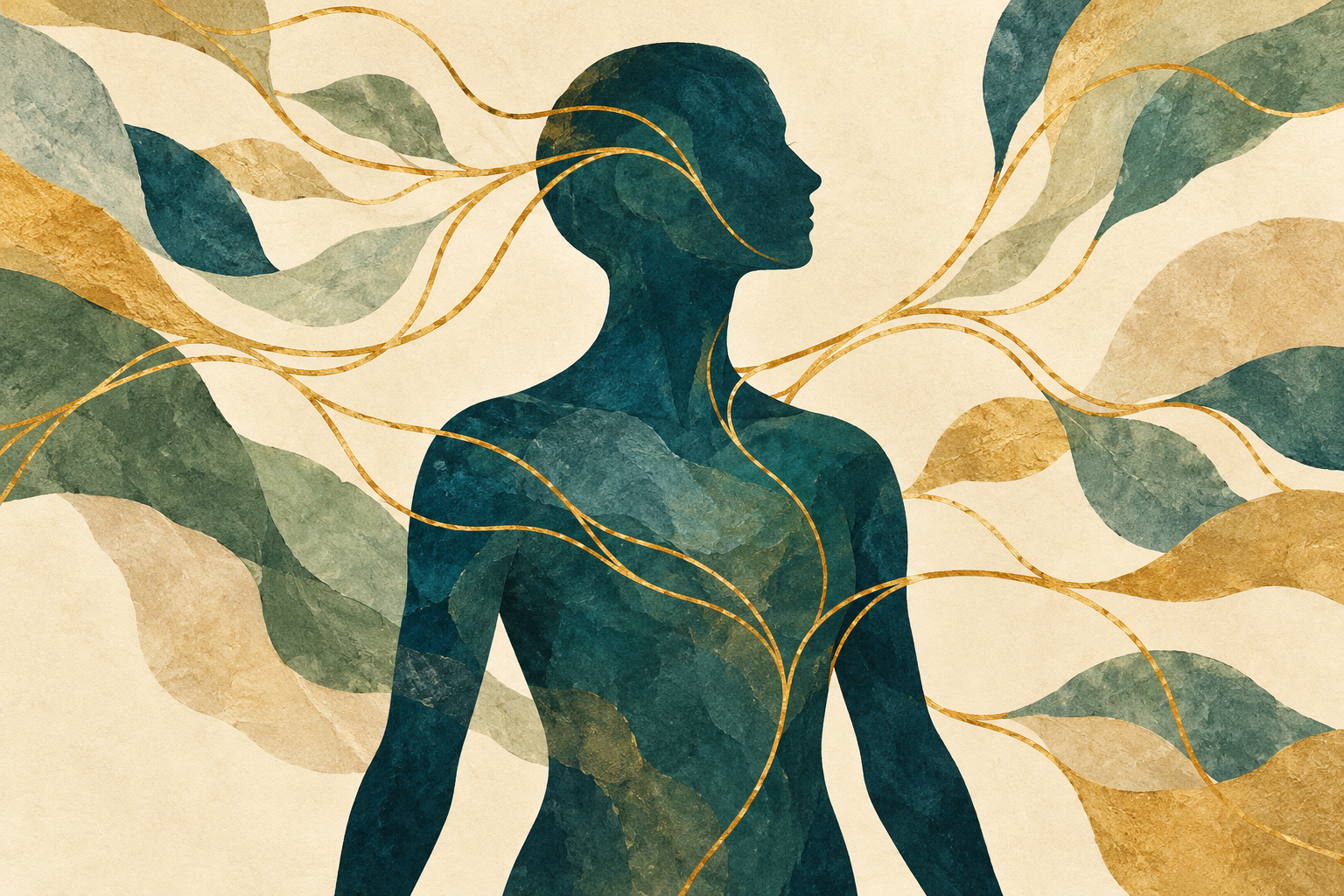
The Vagus Nerve: What It Actually Does for Your Body
The vagus nerve helps connect the brain and body, but it isn’t a simple safety switch. Here’s what the science says about breathing, HRV, therapy and stimulation.
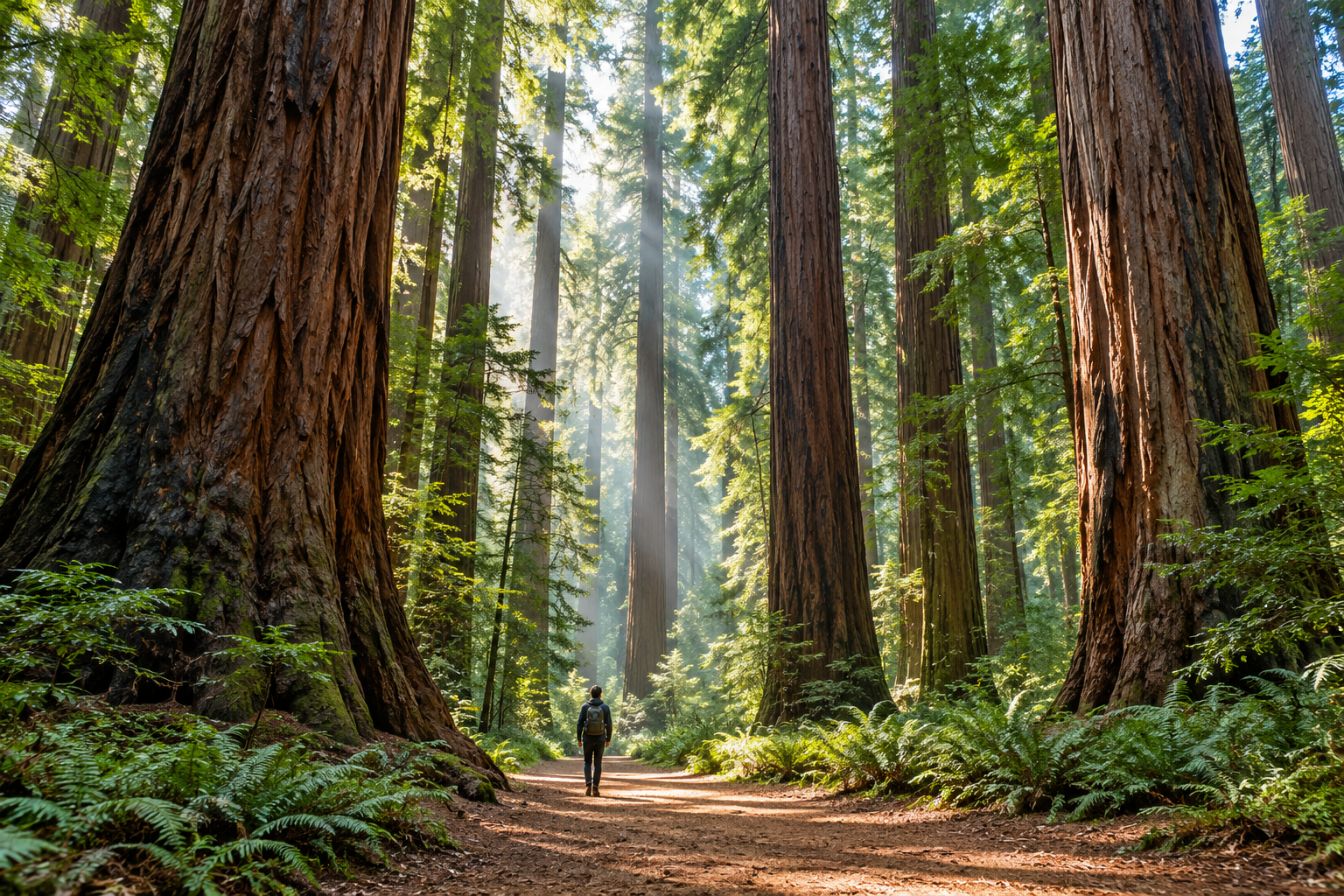
The Science of Awe: What Happens When We Feel Wonder
Awe can change how we experience ourselves and the world. Here’s what studies of the brain, time, generosity and awe walks have actually found.
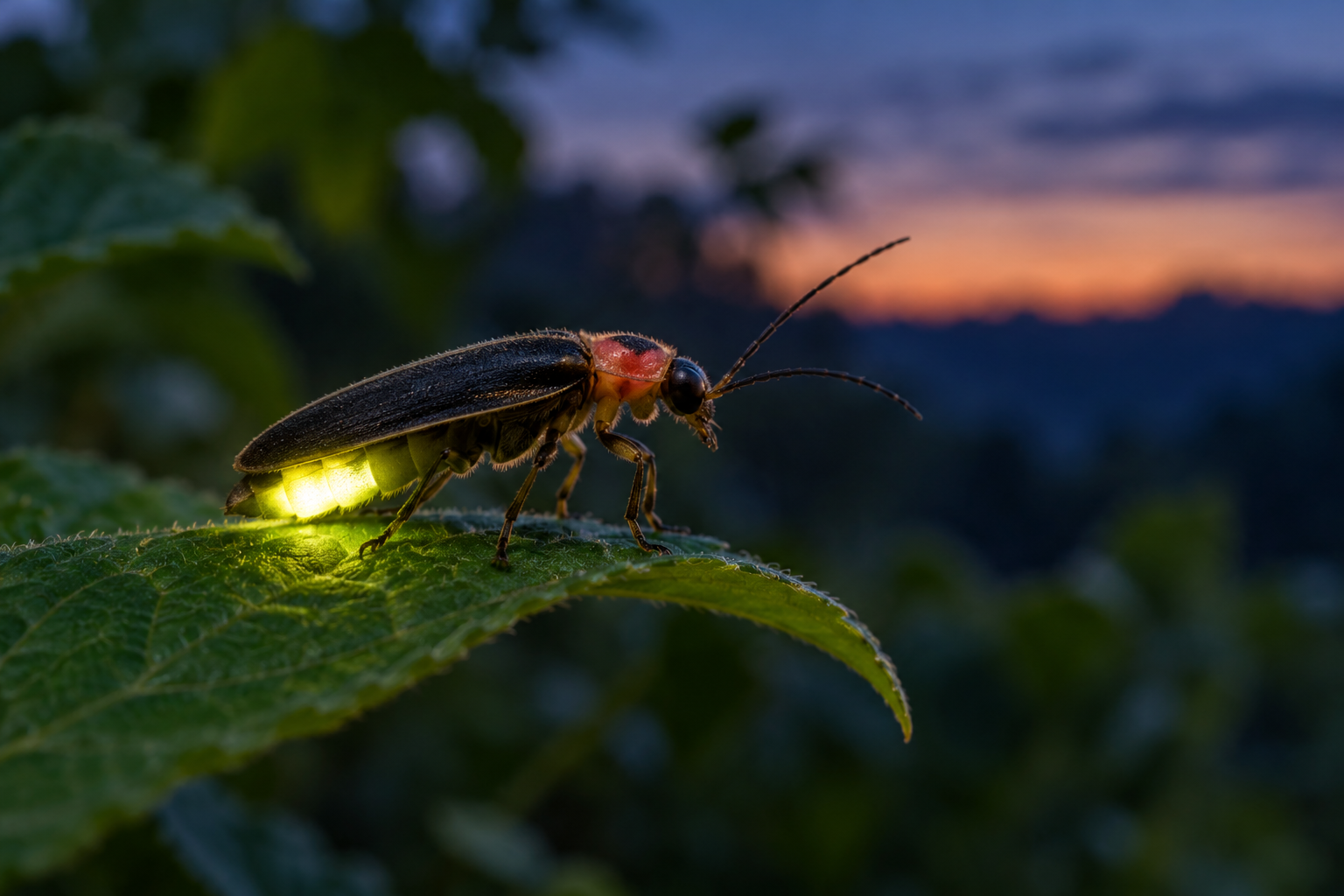
Firefly Light: The Chemistry and Timing Behind the Glow
Firefly light comes from a chemical reaction, and some species coordinate their flashes. A closer look at the chemistry, courtship and habitat behind the glow.
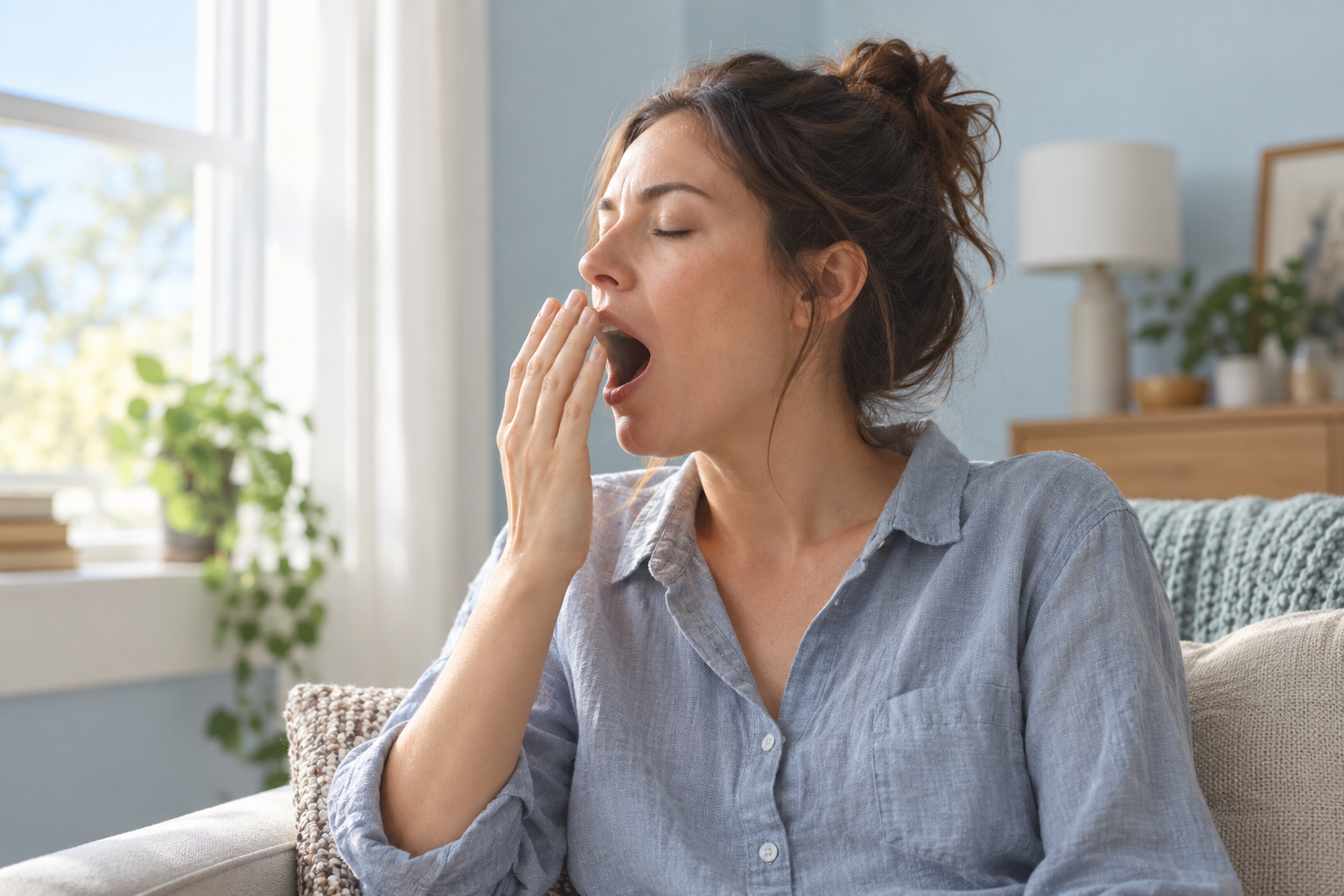
The Science of Yawns: Why We Yawn and Why They Spread
Yawning is familiar, contagious and still surprisingly hard to explain. What studies reveal about sleepiness, brain cooling, social responses and our dogs.
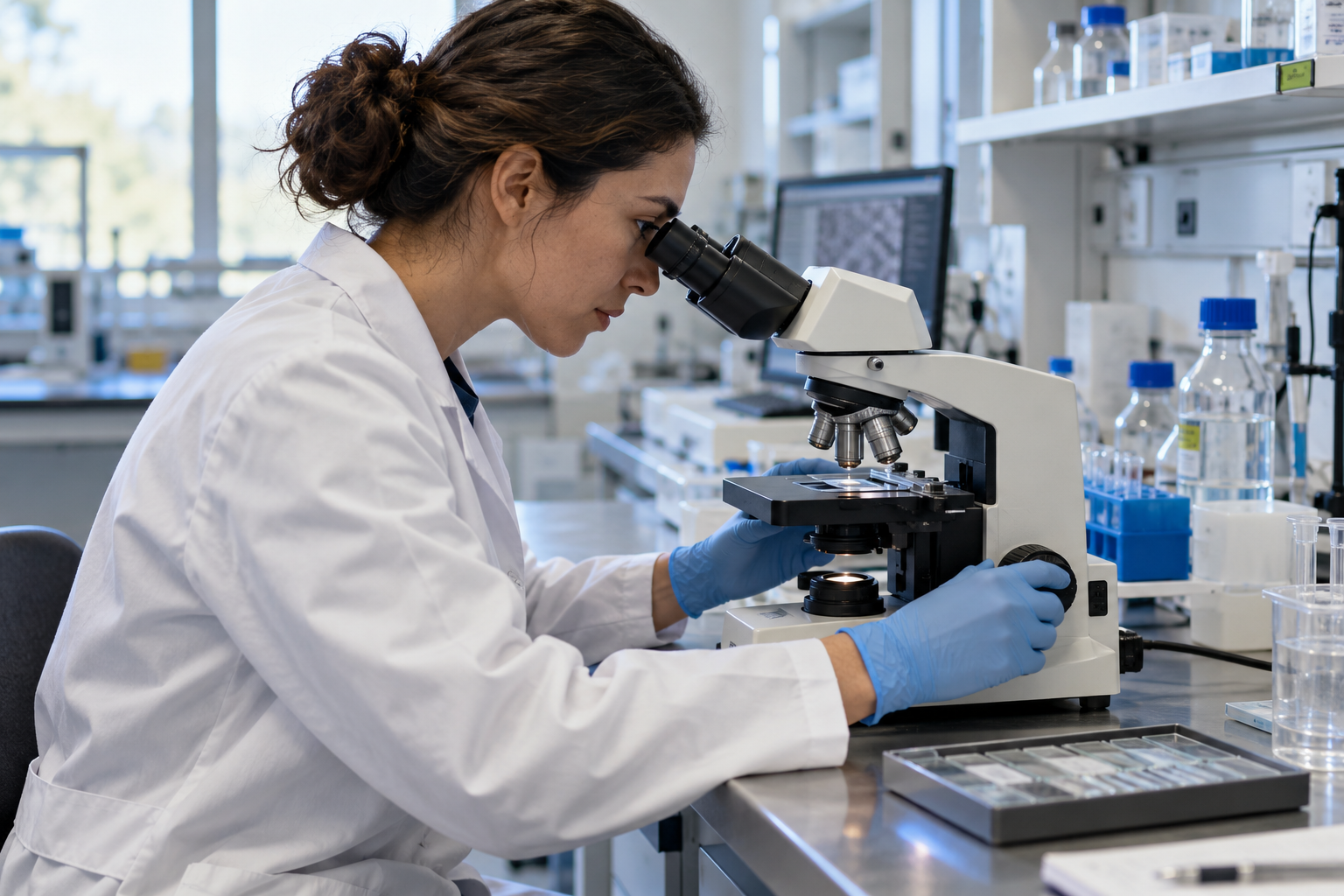
The Interstitium: What the Hidden Organ Discovery Found
Researchers found a new way to see familiar tissue spaces. A closer look at the interstitium, the organ debate and the studies that followed.
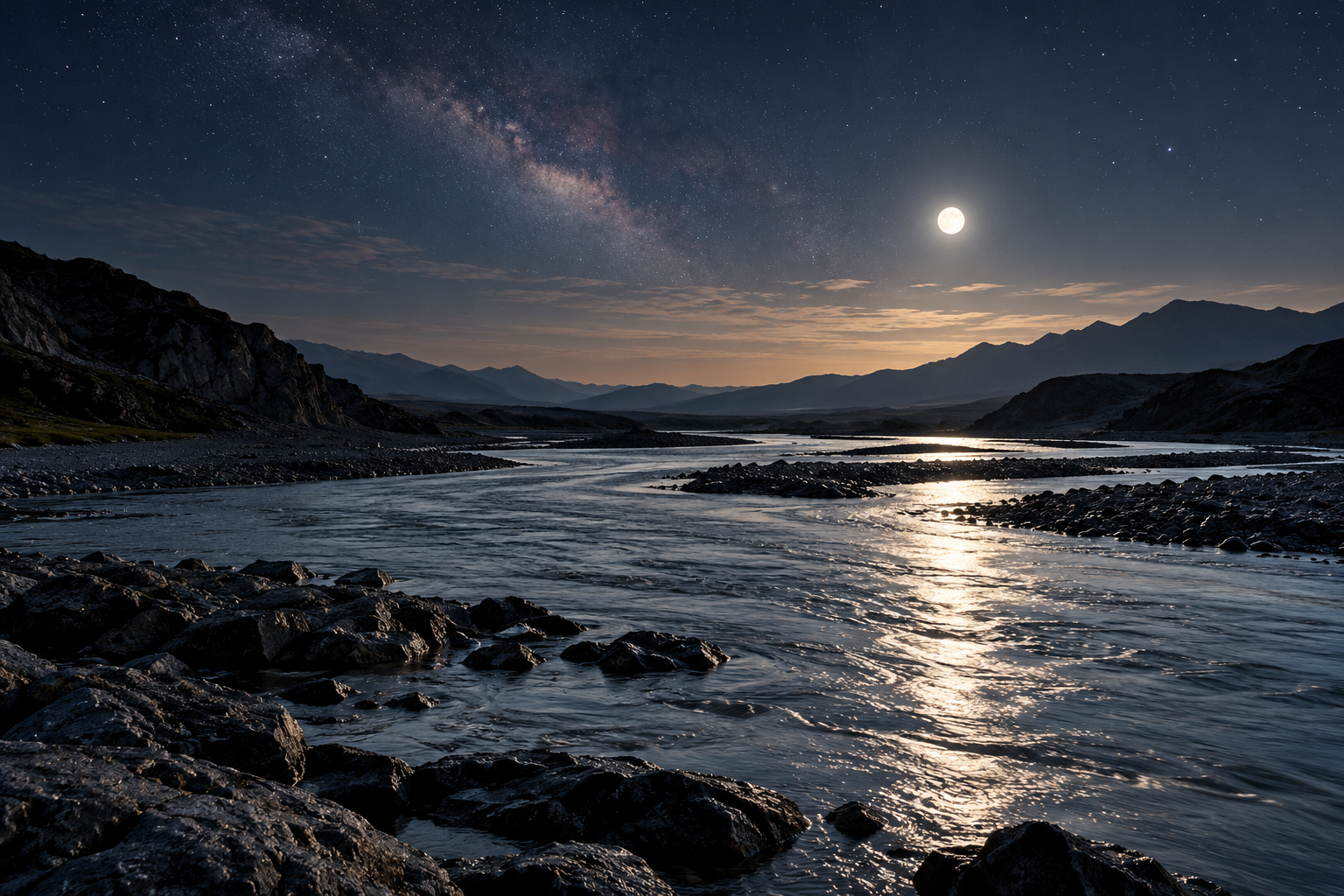
The Cosmic River: Gravity’s Song in a Quantum Stream
A personal, poetic exploration of gravity, quantum information and spacetime, keeping my river imagery and the unfinished equation behind The River’s Song.
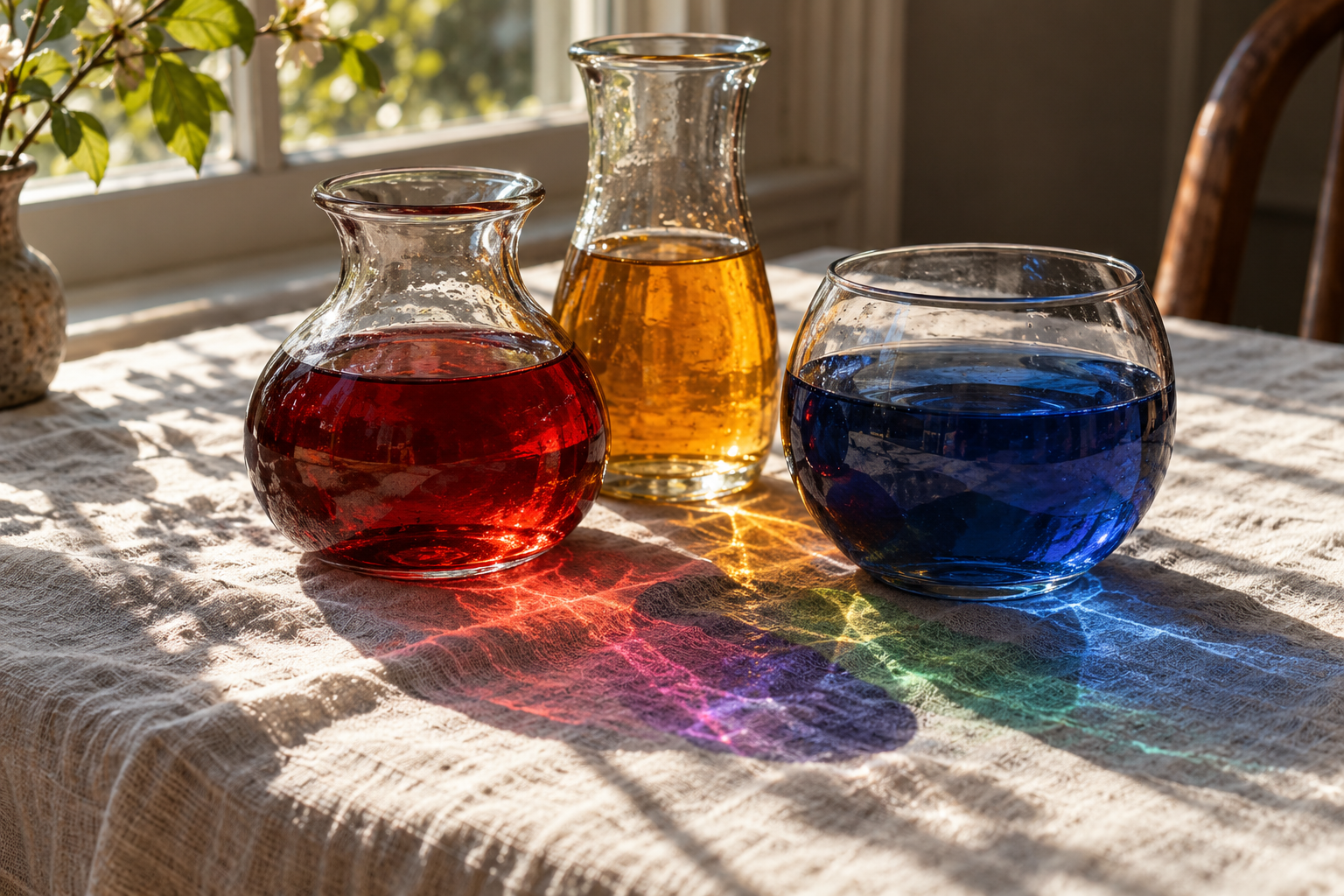
What If Emotions Had Colors? A Chromatic Theory of Feeling
I started wondering what our feelings would look like as colors. The psychology is fascinating, and the personal palette gets considerably more complicated than red for anger and blue for sadness.
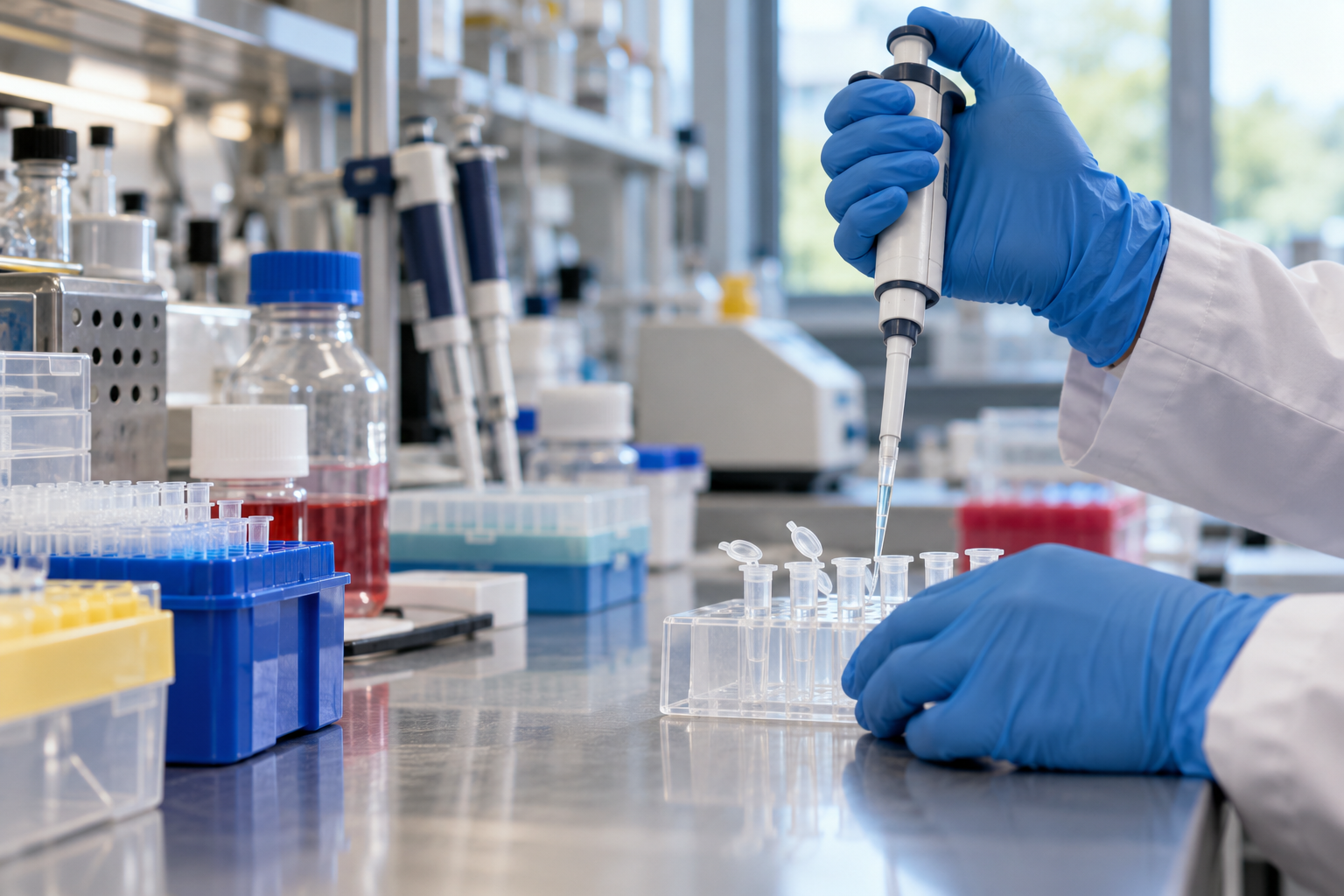
The Woman Who Feels Almost No Pain: Jo Cameron’s Story
Jo Cameron’s unusual response to pain led researchers to an overlooked stretch of DNA. The real story involves gene regulation, chemical signals and an intriguing possibility for future pain research.

25 Weird Science Facts for Your Next Beach Scroll
Levitating frogs, glowing mushrooms, cube-shaped wombat poop and a sea slug with stolen chloroplasts. Here are 25 strange science stories to keep your next beach scroll interesting.
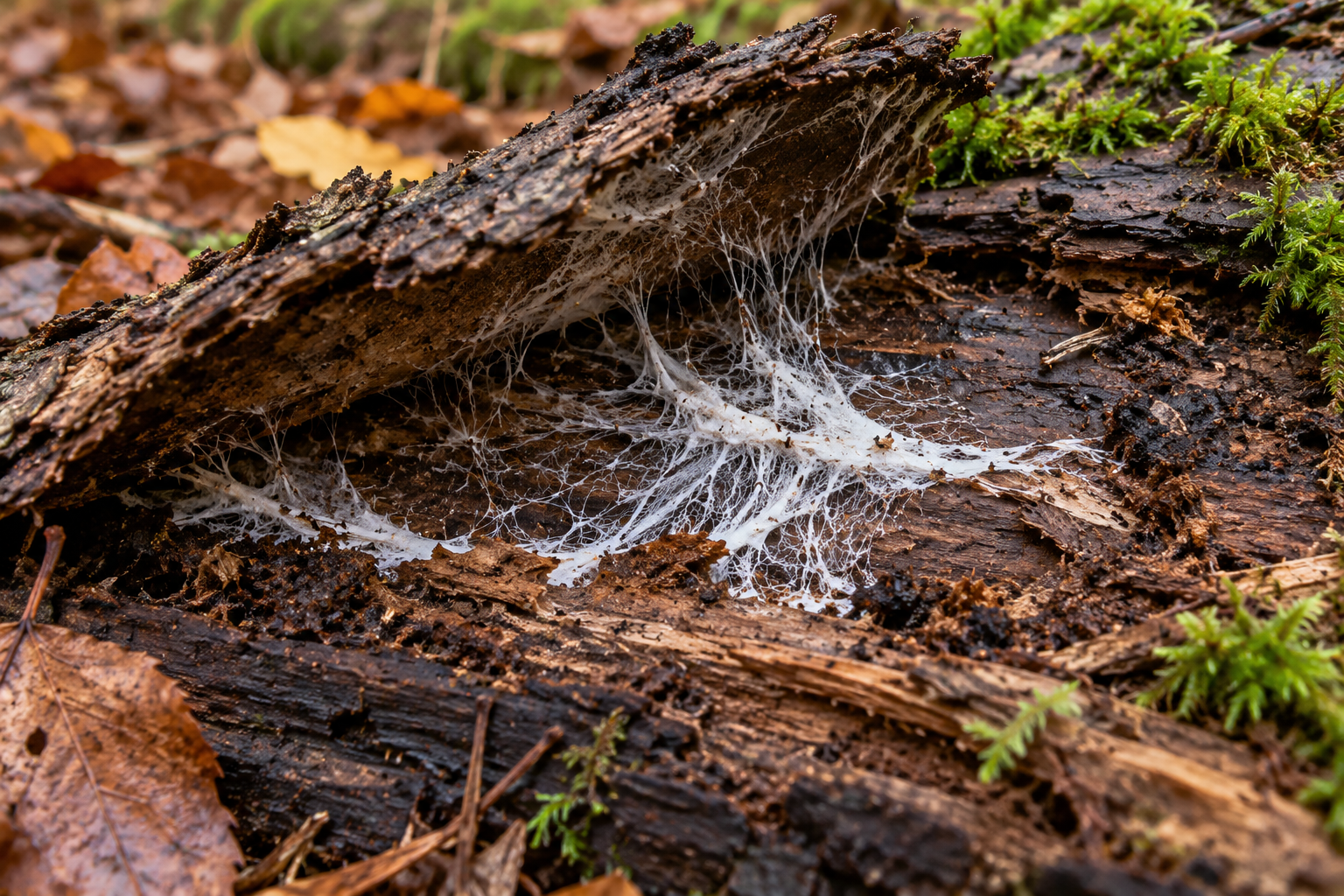
Can Fungi Remember? The Strange Science of Mycelium
A fungus can carry traces of earlier conditions into its later growth. The experiments behind fungal memory are wonderfully strange, from relocated wood blocks to the chemistry inside yeast.

Can Light Therapy Help Depression? What the Devices Actually Do
Light therapy covers several very different approaches. Here’s what bright-light treatment, near-infrared studies and magnetic wearables can actually tell us about depression.

Terraforming Gone Wrong: The Dark Side of Space Colonization
I love the idea of a greenhouse on Mars. Turning the whole planet into a second Earth is a much bigger question, involving disappearing oxygen, busy microbes, possible alien life, and who gets to make the decisions.

What Happened to the Food Pyramid? The 2026 Update
I love food far too much to turn every meal into an exam. The food pyramid is back in 2026, and its history has a lot to tell us about bread, fats, packaged foods, and the practical business of making dinner.