Subscribe to Snail Mail Sommelier
If you’d like to get letters in the mail from me. I send wine information, general education, as well as news and updates you probably don’t want to miss.

KAIST’s Cancer-Reversion Research: Can We Change What a Cancer Cell Does?
KAIST researchers are studying whether changing a cell’s regulatory networks can shift cancer-related behavior toward a normal-like state. I look at the actual experiments, the related studies, and why the possibility still fascinates me.

Can You Wake Up Speaking a Different Language?
A story about waking up speaking differently sends me into the strange science of accents, language, and all the work behind an ordinary conversation. The real cases are fascinating, with a few important details the headlines tend to leave behind.

Do Animals Know They’ll Die? What We Can Learn From Their Behavior
Elephants investigate remains, crows learn about danger, and dogs can change after losing a companion. I look at what those responses might mean, with a few thoughts about Riesling and why kindness doesn’t need to wait for a complete answer.

Real-Life Shape-Shifters: The Science of Biological Camouflage
Cuttlefish can change their skin, chameleons shift reflected light, and some caterpillars get mistaken for twigs. I wanted to know how all these different defenses work.

Why Telomeres Matter, and What They Can’t Tell Us About Aging
I wanted to understand the chromosome ends that keep appearing in aging stories. The biology is fascinating, but longer telomeres and a precise biological-age score aren’t the same as better health.

The Science of Decomposition: What Really Happens When We Die
I wanted to understand what actually happens to a body after death, without the rigid timelines or the gruesome details. The answer involves microbes, insects, changing conditions, and some remarkable exceptions.

The Strange Side of Space: Dark Worlds, Cosmic Voids and Unanswered Signals
I love space, especially the parts that make everyday intuition stop working. Here are dark worlds, bent light, unusual signals, and a few mysteries that need a clearer explanation than “probably aliens.”

How Tesla’s Batteries Fit Into America’s Changing Power Grid
I love the idea of saving daytime solar energy for a kitchen after sunset. Tesla’s Nevada cells are part of that story, along with some surprisingly important details about capacity, chemistry, and what stays powered during an outage.

The Smell of Space: What Astronauts Actually Describe
Astronauts describe metallic, smoky odors after spacewalks. Here’s what they actually smelled, why lunar dust is different, and what NASA does about cabin odors.

Scientists Made Skin Cells Seem 30 Years Younger. Here’s What That Means.
Scientists shifted several aging measures in laboratory skin cells by about thirty years. The details involve cell identity, collagen, biological clocks and a very different question from looking younger.

The Hidden Intelligence of Your Gut
The gut has its own nervous system, and its microbes interact with the rest of us in fascinating ways. A personal look at stress, serotonin, food and the evidence behind gut-health claims.

Grok 4: What the AI Can Do, and Why I Still Have Questions
Grok 4 arrived with impressive results and a confident voice. A closer look at what the tests measure, what the tools can do and why I still want to check the answer.

Do Eggs Choose Sperm? Fertilization Is Stranger Than a Race
Chemical signals, fluid movement and molecular recognition make fertilization far more interesting than a dash to the finish line. Here’s the science behind the egg-choice headlines.

The Navy’s Laser Weapons: What Light Can Do at Sea
The Navy is developing weapons that deliver energy with light. The real story includes SONGBOW, shipboard tests, optical dazzlers and an ocean that complicates everything.

The Birth Drought: Why Fewer Babies Could Reshape the World
Falling fertility changes the shape of a society. The story includes family costs, care, aging and the choices people want to make, alongside some surprising recent numbers.

Can Drones Help Grow a Forest? Brazil’s Restoration Experiments
Brazil’s real forest-restoration projects combine drone seeding, native plants, field teams and years of follow-up. Here’s what the technology can help do, with an October 2026 update.

How Exercise May Support Recovery After Trauma
Movement may support well-being and some aspects of trauma recovery. Here’s what the research actually shows, how mouse findings differ from human trials and why exercise complements care.
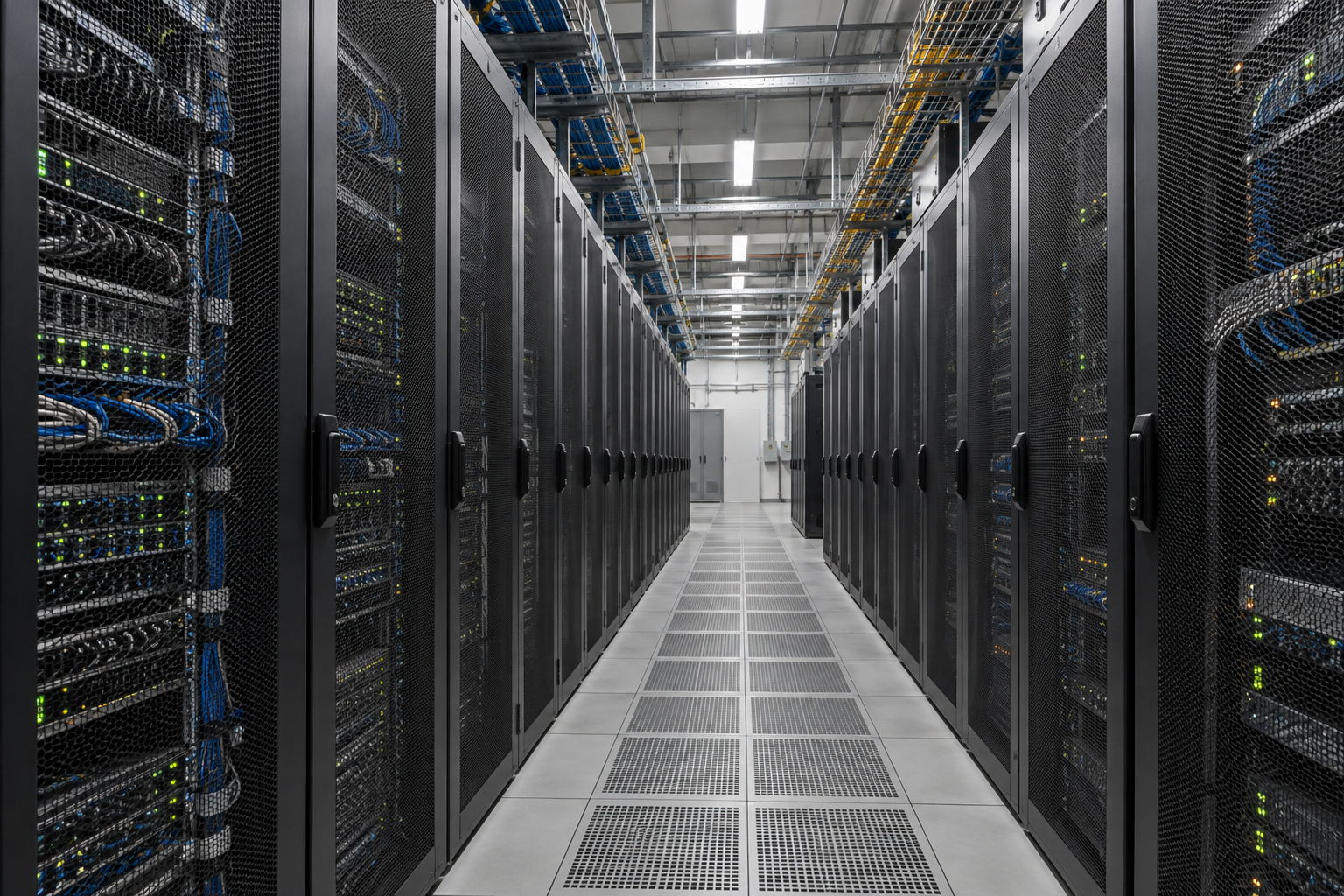
Who Controls the Computing Power Behind AI?
The global AI divide involves hardware, ownership, energy and usable access. Here’s what the old 32-country figure counted, and how shared resources can widen participation.
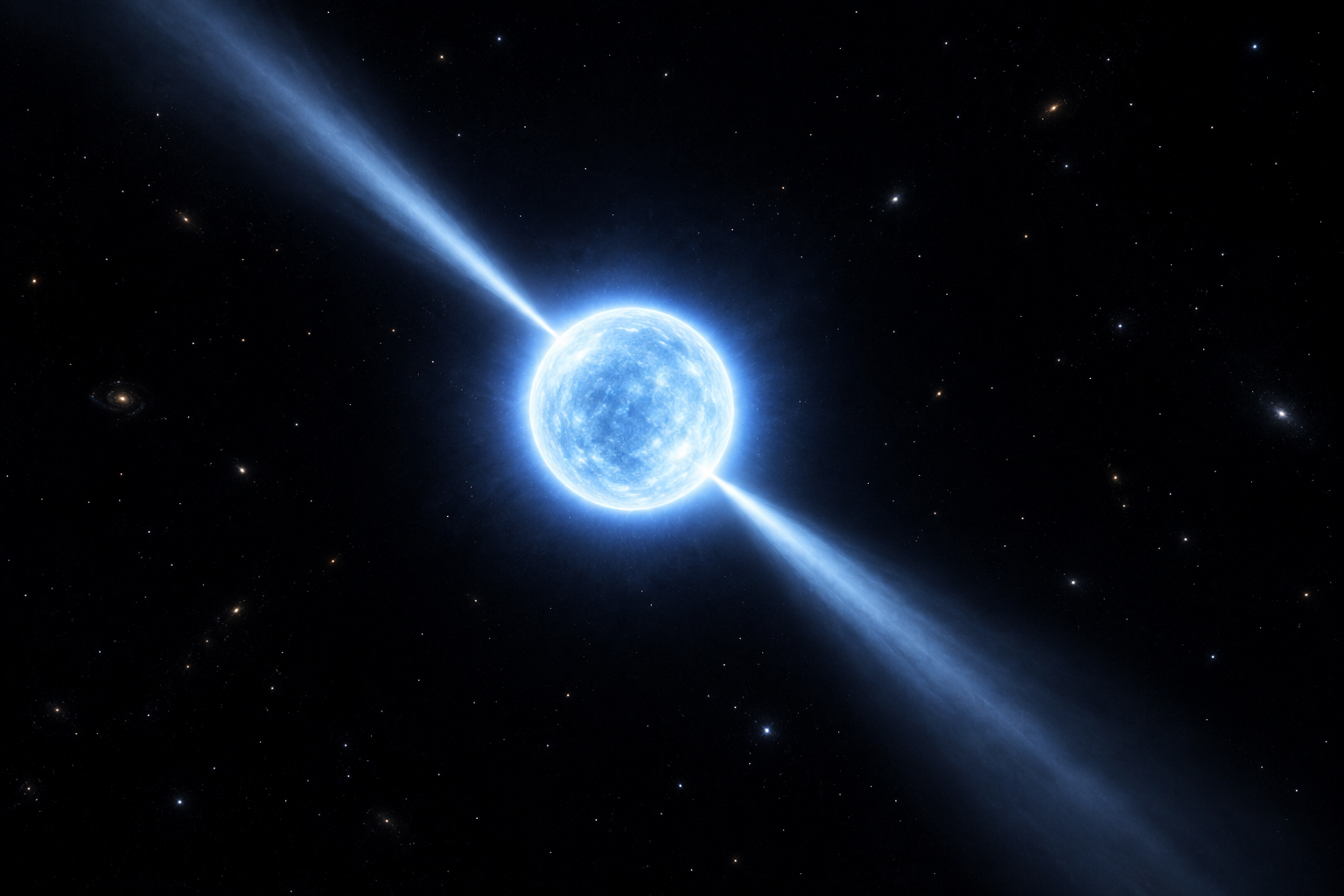
How Heavy Is a Teaspoon of Neutron Star Matter?
A tiny spoon and a mountain's worth of matter make a wonderfully strange comparison. Here's the physics behind it, from collapsing stars and layered interiors to pulsars spinning hundreds of times a second.

The Antarctic Radio Pulses That Still Need an Explanation
A balloon above Antarctica recorded unusual radio pulses, and the follow-up experiments made the puzzle even more interesting. Here's what the measurements show, what remains uncertain, and how PUEO is continuing the work.