Subscribe to Snail Mail Sommelier
If you’d like to get letters in the mail from me. I send wine information, general education, as well as news and updates you probably don’t want to miss.

The Smell of Space: What Astronauts Actually Describe
Astronauts describe metallic, smoky odors after spacewalks. Here’s what they actually smelled, why lunar dust is different, and what NASA does about cabin odors.

Scientists Made Skin Cells Seem 30 Years Younger. Here’s What That Means.
Scientists shifted several aging measures in laboratory skin cells by about thirty years. The details involve cell identity, collagen, biological clocks and a very different question from looking younger.

The Hidden Intelligence of Your Gut
The gut has its own nervous system, and its microbes interact with the rest of us in fascinating ways. A personal look at stress, serotonin, food and the evidence behind gut-health claims.

Grok 4: What the AI Can Do, and Why I Still Have Questions
Grok 4 arrived with impressive results and a confident voice. A closer look at what the tests measure, what the tools can do and why I still want to check the answer.

Do Eggs Choose Sperm? Fertilization Is Stranger Than a Race
Chemical signals, fluid movement and molecular recognition make fertilization far more interesting than a dash to the finish line. Here’s the science behind the egg-choice headlines.

The Navy’s Laser Weapons: What Light Can Do at Sea
The Navy is developing weapons that deliver energy with light. The real story includes SONGBOW, shipboard tests, optical dazzlers and an ocean that complicates everything.

The Birth Drought: Why Fewer Babies Could Reshape the World
Falling fertility changes the shape of a society. The story includes family costs, care, aging and the choices people want to make, alongside some surprising recent numbers.

Can Drones Help Grow a Forest? Brazil’s Restoration Experiments
Brazil’s real forest-restoration projects combine drone seeding, native plants, field teams and years of follow-up. Here’s what the technology can help do, with an October 2026 update.

How Exercise May Support Recovery After Trauma
Movement may support well-being and some aspects of trauma recovery. Here’s what the research actually shows, how mouse findings differ from human trials and why exercise complements care.

Who Controls the Computing Power Behind AI?
The global AI divide involves hardware, ownership, energy and usable access. Here’s what the old 32-country figure counted, and how shared resources can widen participation.
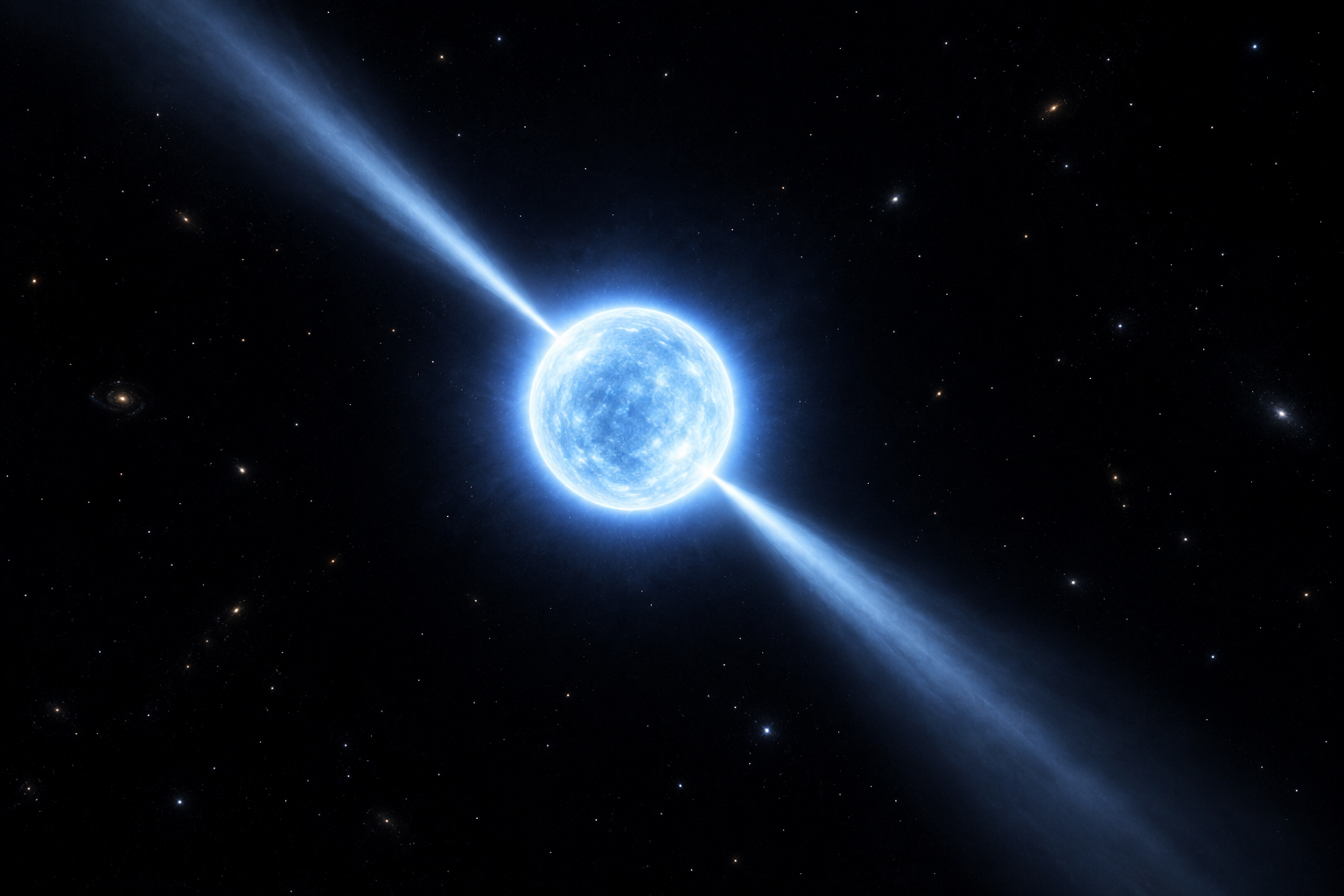
How Heavy Is a Teaspoon of Neutron Star Matter?
A tiny spoon and a mountain's worth of matter make a wonderfully strange comparison. Here's the physics behind it, from collapsing stars and layered interiors to pulsars spinning hundreds of times a second.

The Antarctic Radio Pulses That Still Need an Explanation
A balloon above Antarctica recorded unusual radio pulses, and the follow-up experiments made the puzzle even more interesting. Here's what the measurements show, what remains uncertain, and how PUEO is continuing the work.
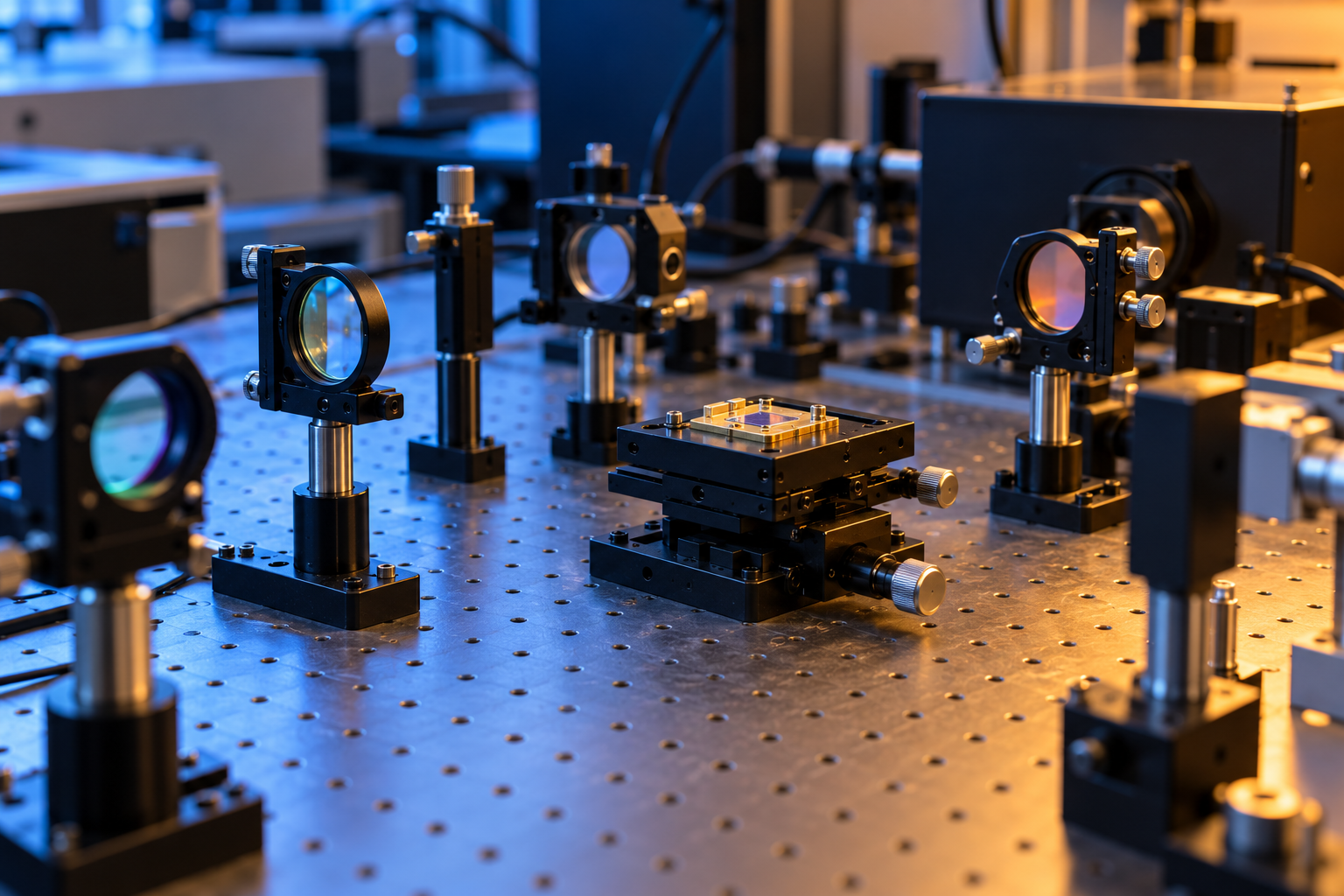
Scientists Made a Supersolid With Light. Here’s What That Means
The headline sent me thinking about sunlight as a paperweight. The real story involves light, semiconductors and a quantum state with an unusual combination of order and motion.

Digital DNA: How Much of Us Can Our Data Really Recreate?
A profile can predict an interest. A model can imitate a voice. But how much of a person do those resemblances contain? I wanted to look at what our digital traces can actually become.

I Asked Grok: What’s a Truth You Think Is Vastly Misunderstood?
I asked Grok what truth people misunderstand. Its answer sent me into the science of memory, leading questions, confidence and the stories we tell ourselves.
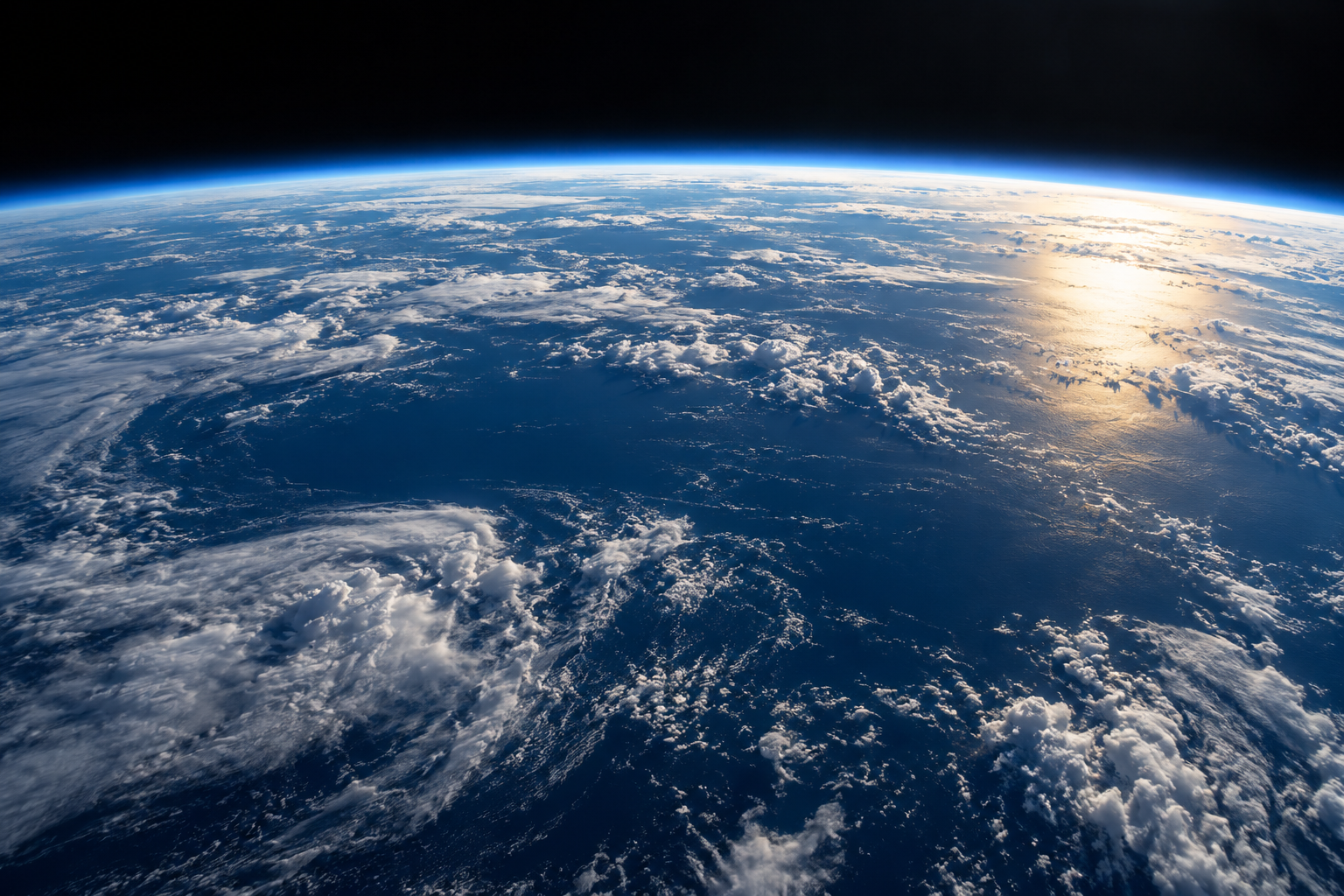
Why We Can’t Feel the Earth Spin
Earth carries us around its axis at hundreds of miles an hour. Here’s why the motion feels ordinary, where acceleration fits in, and how a pendulum can reveal the spin.
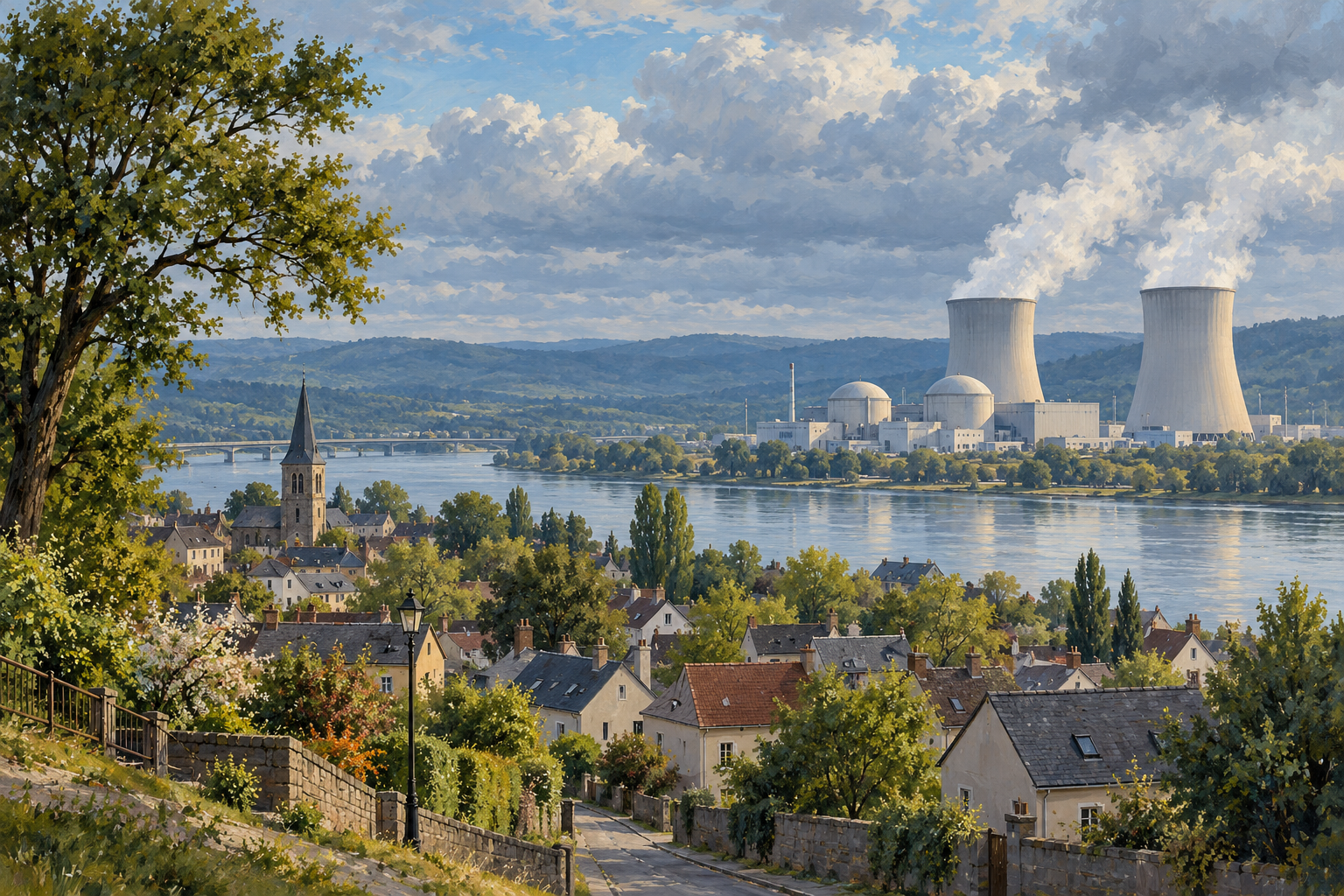
When the Atom Breaks Twice: What Happens When Nuclear Sites Are Bombed
A reactor, an enrichment facility and a nuclear weapon pose different dangers. Here’s what damage, radioactive releases and the June 2025 Iran reports actually tell us.

Why the Smell of Rain Feels Like Coming Home
Petrichor brings together soil chemistry, rainfall and the way we remember. Here’s why that earthy smell can feel so familiar, without meaning the same thing to everyone.
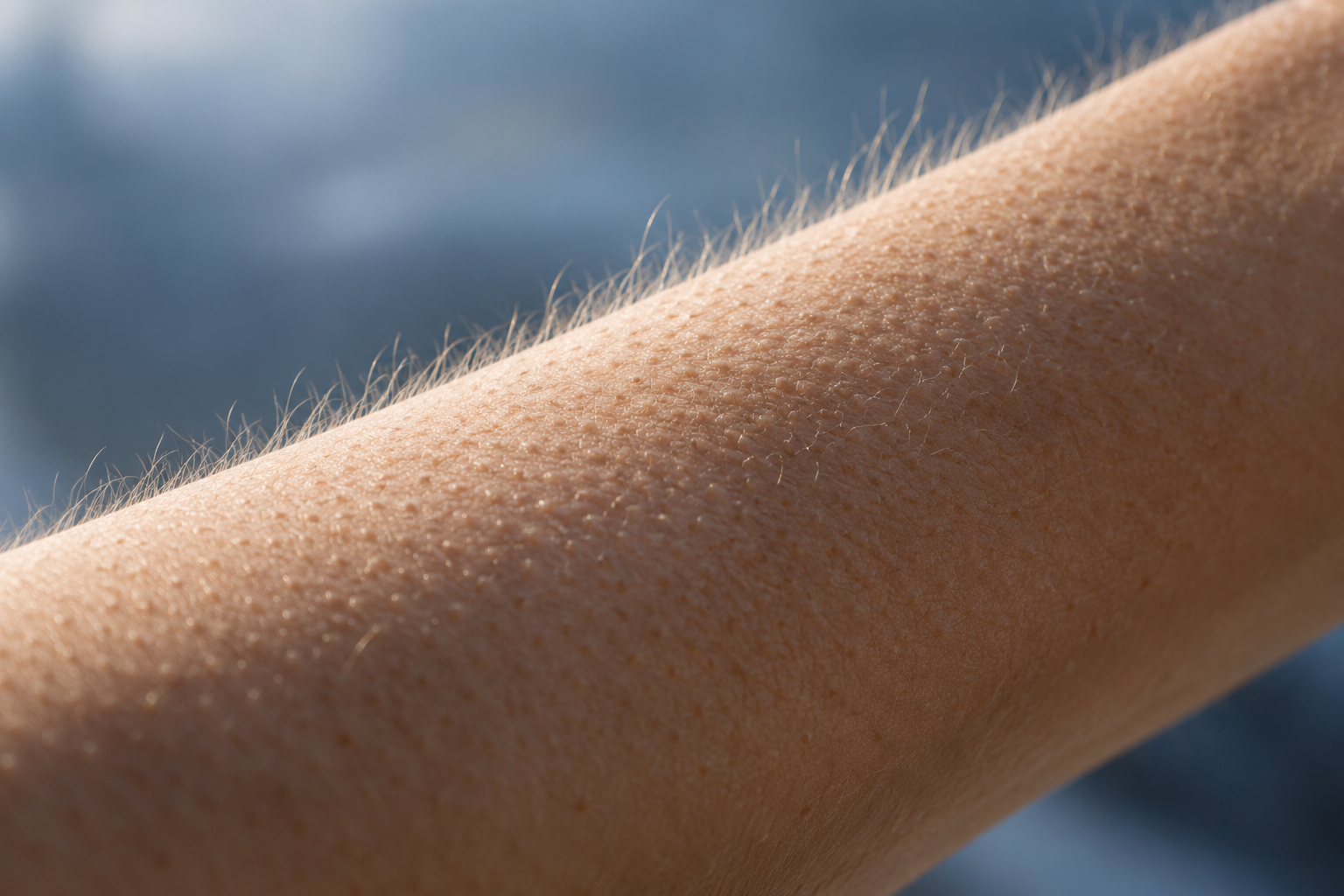
Goosebumps: Evolution’s Lingering Echo on Your Skin
Goosebumps connect tiny muscles to cold, fear and musical chills. Here’s what they reveal about evolution, hair growth and the limits of reading our skin.
The Vagus Nerve: What It Actually Does for Your Body
The vagus nerve helps connect the brain and body, but it isn’t a simple safety switch. Here’s what the science says about breathing, HRV, therapy and stimulation.