Oysters: The Creatures That Clean the Sea and Feed the Soul
There are animals we admire for their beauty, while others we admire for their intelligence. Now, oysters…we love them for something more intimate, because somehow these strange, quiet creatures hold both the memory of the ocean and the future of it at the same time.
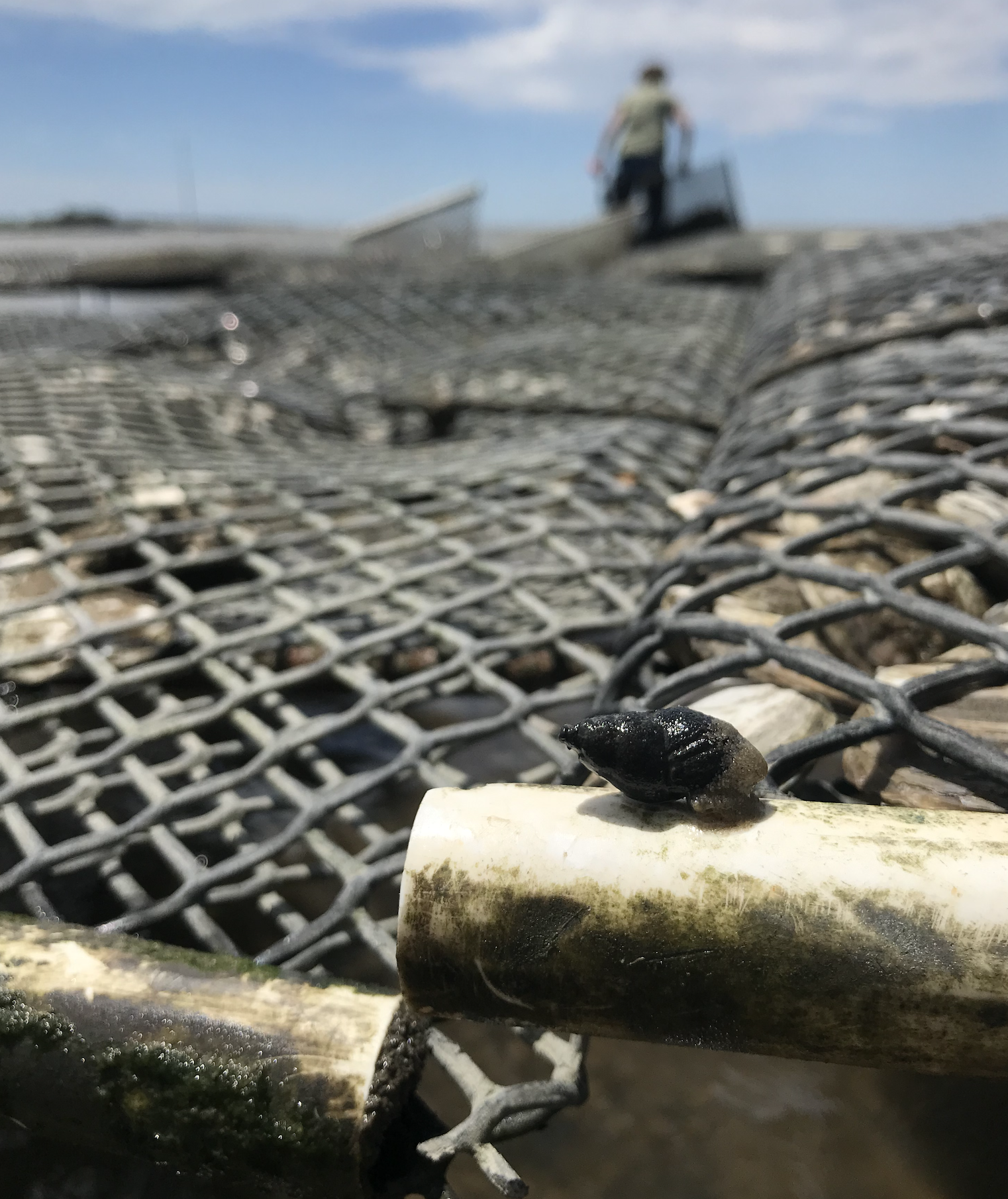
A few years ago I visited an oyster farm and I loved it so much, I needed to visit another a couple of years later. Oysters don’t sing like birds or swim like whales, they don’t charm us with glossy eyes or elaborate dances.
Yet, I really believe they’re among the most extraordinary beings on Earth, these shapers of coastlines. Oysters are the guardians of water, protein-packed superfoods (you know I’m all about protein thanks to my bodybuilder and Pro Wrestler husband, Zakary Edington), and the living archives of the sea’s chemistry.
I hope you’re here for the story of the oyster: the humble mollusk that feeds us, sustains ecosystems, and purifies entire bays, all while staying mostly overlooked in its uneven, rocky shell, and you won’t be disappointed.
The Life Cycle of an Oyster
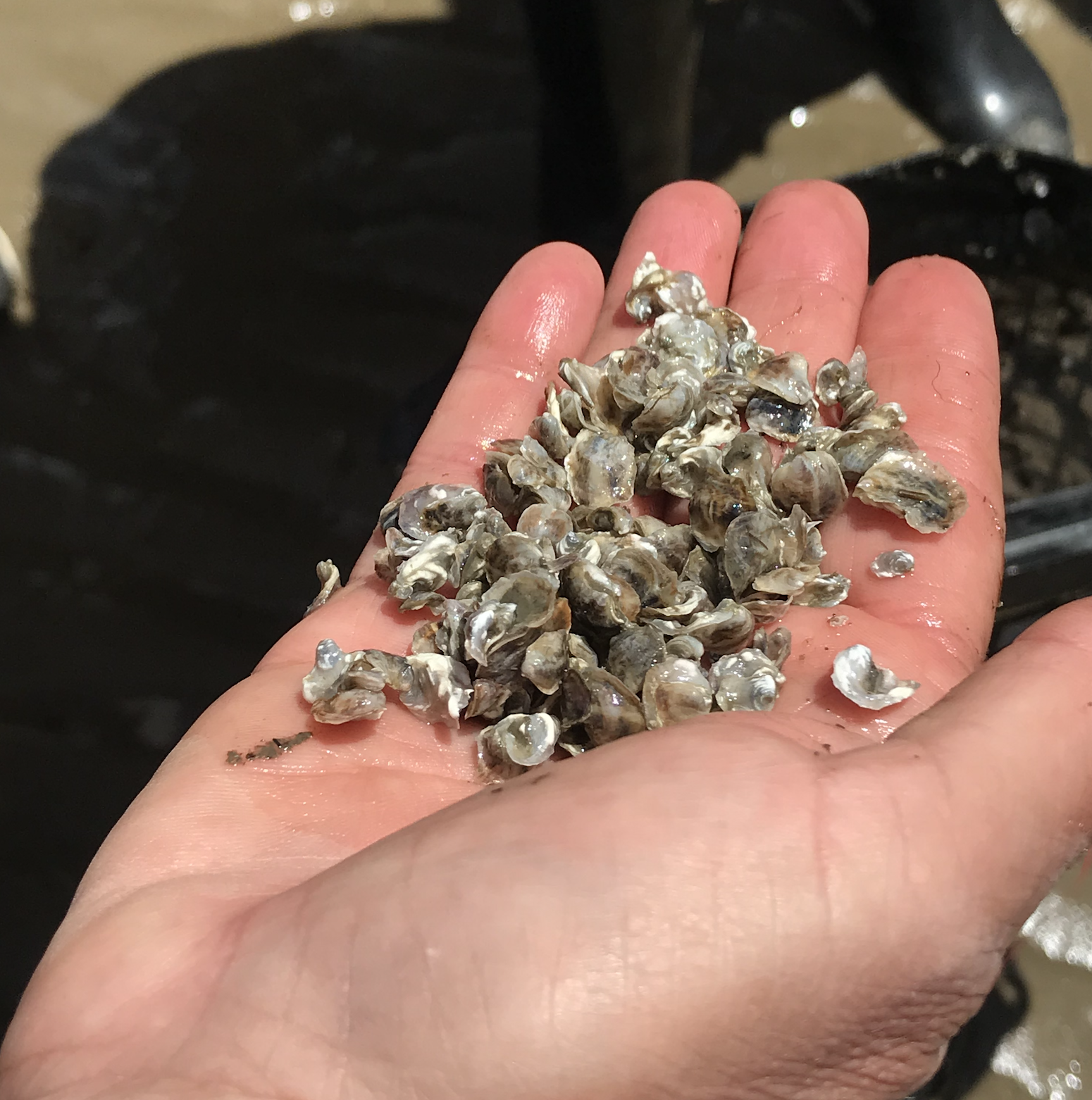
An oyster begins as a tiny little microscopic larva drifting through warm, plankton-rich water. At this stage, it can move, fluttering with the faintest movements. The oyster farmer who explained this to me said to try to think about an eyelash learning to swim (as he dug an eyelash out of his eye).
In just a few days, that larva must make the biggest decision of its life: where will it anchor? I thought having to decide what to study in college was hard…this takes things to a different level (yes, I changed what I was studying 3x).
Oysters can’t undo this choice, unlike me. Once they commit, they stay there forever and ever. Scientists call this moment “settling.” I love the romance and devotion, but it as someone who changes her mind about a lot of things, this sort of commitment is beyond my comprehension.
The larva seeks a hard substance to latch onto, it could be a rock, an old shell, a pier piling, or even another oyster. When it finds the right place, it cements itself there with a natural glue, smoother than epoxy, stronger than my willingness to stick to one topic while I’m blogging. This is why oyster farmers typically keep their old oyster shells. Some of the restaurants I’ve worked in in the past also collected the old shells to give back to their suppliers.
This is now considered a “spat”, this baby oyster.
Over months and years, it grows layers of calcium carbonate, thickening its shell, riding out storms, cold fronts, algae blooms, predators, and the thousand shifting moods of the sea. If it survives long enough, often decades, it could even become the foundation of something larger than itself: a reef. A city of oysters, stacked and clustered, each one filtering water, offering shelter to fish, buffering waves, protecting shorelines, and literally building habitat from their own bodies.
Life becomes architecture, which becomes a living ecosystem, all from a drifting larva who made a seemingly random choice.
We Love Oysters
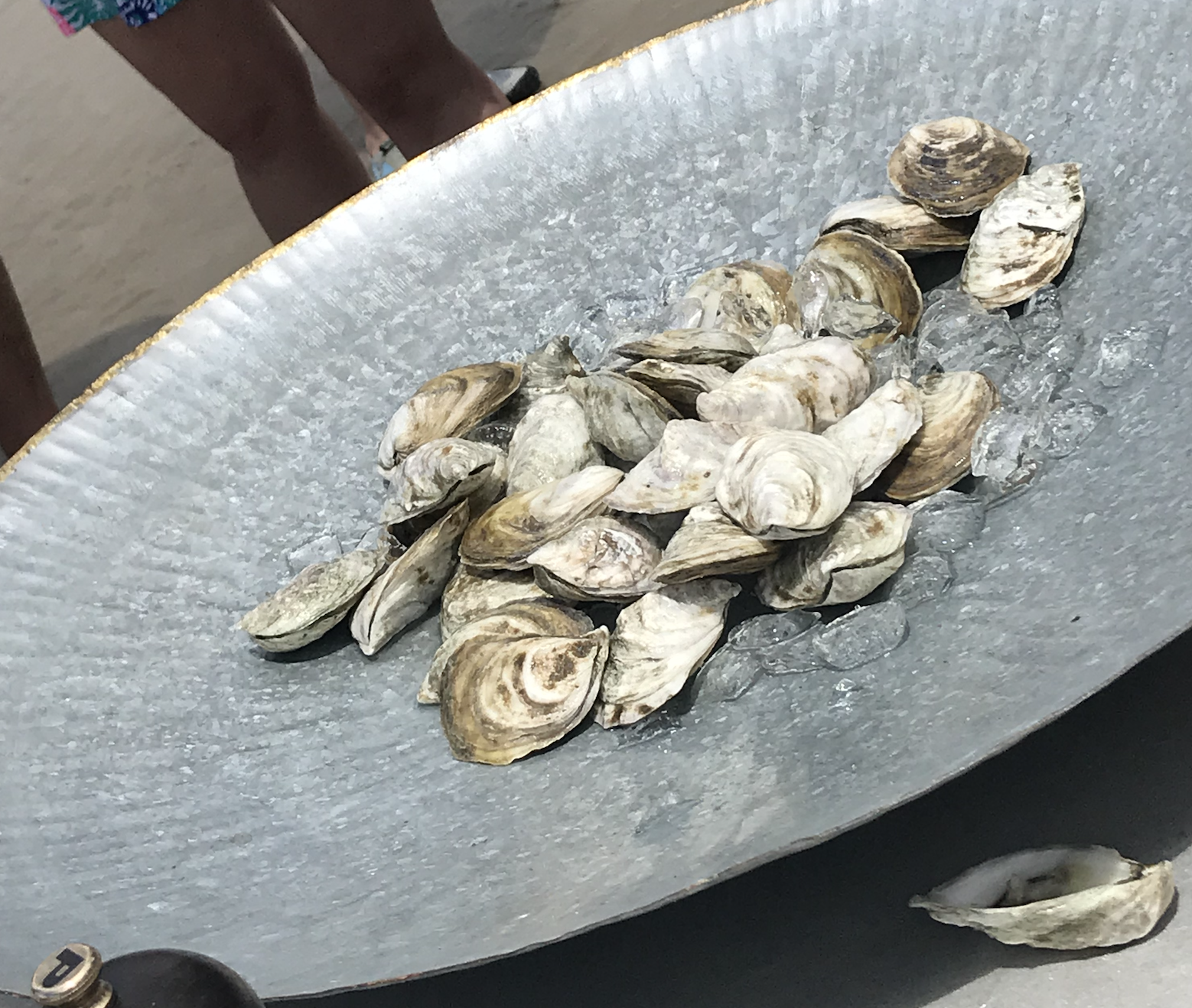
Of course, my trip to multiple oyster farms was inspired by my love of these little suckers. I love East Coast oysters for their salty flavor and West Coast oysters for their cucumber flavor. The interwebs tells me there are a little over 100 species of oysters, but we only eat three main ones. Of course, East and West are two of them, the West being more ridged and with that sweeter creamy flavor (also the most farmed in the world), the East being that salty crisp one. The European Flat oyster is the last species worth mentioning, this is the oyster with a lineage. The Romans ate these, Medieval kings ordered them by boatload. They taste like the sea remembering something old with a lingering metallic taste to them.
As I implied with those European Flats, oysters have been intertwined with humanity for thousands of years. Ancient Romans feasted on them, and some coastal tribes built entire middens (mountains of discarded shells) some still visible today. New York was once called the “Oyster Capital of the World.”
If you’re wondering about why we’re so obsessed, oysters taste like the place they come from. Us wine lovers love to talk about terroir, the way soil shapes flavor, while oyster lovers speak of merroir: the taste of salt, algae, minerals, temperature, sunlight, and tides.
A cold-water oyster tastes crisp and mineral, while a warm-water oyster tastes rich and milky, almost sweet.
Some are buttery, while some are briny enough to make you momentarily forget what you jus popped into your mouth.
Every oyster is a work of art, carefully curated by its environment.
My husband likes to tease me that I enjoy eating the hardest to eat foods (crabs, artichokes, pomegranates, etc), but there’s fun in eating oysters. The cracking of the shell, the slide of the knife (this took me probably about 6 months of working at a raw bar to master), the exciting reveal of the shimmering flesh that you check to make sure you didn’t break open in your eagerness to cut through the shell. Also, that bright kiss of acid via lemon squeeze or mignonette? Classic. I worked with a sommelier once who would order a small split of Champagne to pour on his oysters for that push of acidity. It was shockingly delicious (yes, of course I tried one).
You don’t rush an oyster, you savor the experience because otherwise they vanish in five seconds. Oysters slow us down in a world that I always complain about being too fast.
They’re a shared experience in a world where all of us are dying for more connections. No one eats oysters anonymously, they’re ordered in dozens, passed around a table, compared, debated, loved, feared, worshiped. They turn strangers into accomplices if you’re sitting at a raw bar. I think I personally am responsible for forcing at least three people who’ve never tried oysters to take that plunge before.
Small Creature, Mighty Powerhouse
Despite their delicate nature, oysters are one of the most nutrient-dense foods on Earth.
A single oyster contains more zinc than any other food (crucial for immunity, skin health, and cellular repair). These little suckers are packed with high-quality protein that bodybuilders adore. Omega-3 fatty acids are rich in these little slurps, as well as iron, selenium, copper, and vitamin B12. Antioxidants like DHMBA are found in almost no other food on Earth.
They’re low in calories, rich in minerals, and surprisingly filling. I mean, yes, I could take down a dozen of them myself, but oz for oz, I can eat more ribeye than oysters.
In a world obsessed with supplements, oysters are the humble, ocean-grown multivitamin we often overlook.
Also, in my book, oysters transcended food and became heroes long ago. One adult oyster can filter up to 50 gallons of water per day, removing excess nitrogen, maybe some algae, sediment, and even some pollutants from the water. They inhale water, sift out what shouldn’t be there, and exhale it cleaner. Multiply that by the thousands in a reef and the effect is astonishing.
One of the oyster farms I visited said that their first three generations of oysters weren’t edible because they were full of so many toxins they took out of the ocean. After three turns of these little guys, the water was significantly cleaner as the first generation did their job clearing out what shouldn’t have been there.
Oyster reefs create entire ecosystems. Their layered shells build underwater fortresses that offer shelter for juvenile fish to grow and play. They’re also commonly nurseries for crabs and shrimp, and some surfaces for sea grasses to thrive. They’re also helping us without us noticing as they create a sort of protection from coastal erosion. They’re highways of biodiversity in a world desperate for more safe havens.
Coastal restoration projects now rely on oysters as nature’s filtration system. Places once choked with murky water have returned to their former glory after oyster reefs were reestablished. They are, in every sense, the ocean’s kidneys. As oysters build shells, they lock away carbon in the form of calcium carbonate, when left undisturbed in reefs, this carbon stays stored long-term, fighting climate change.
These tiny creatures have massive impact.
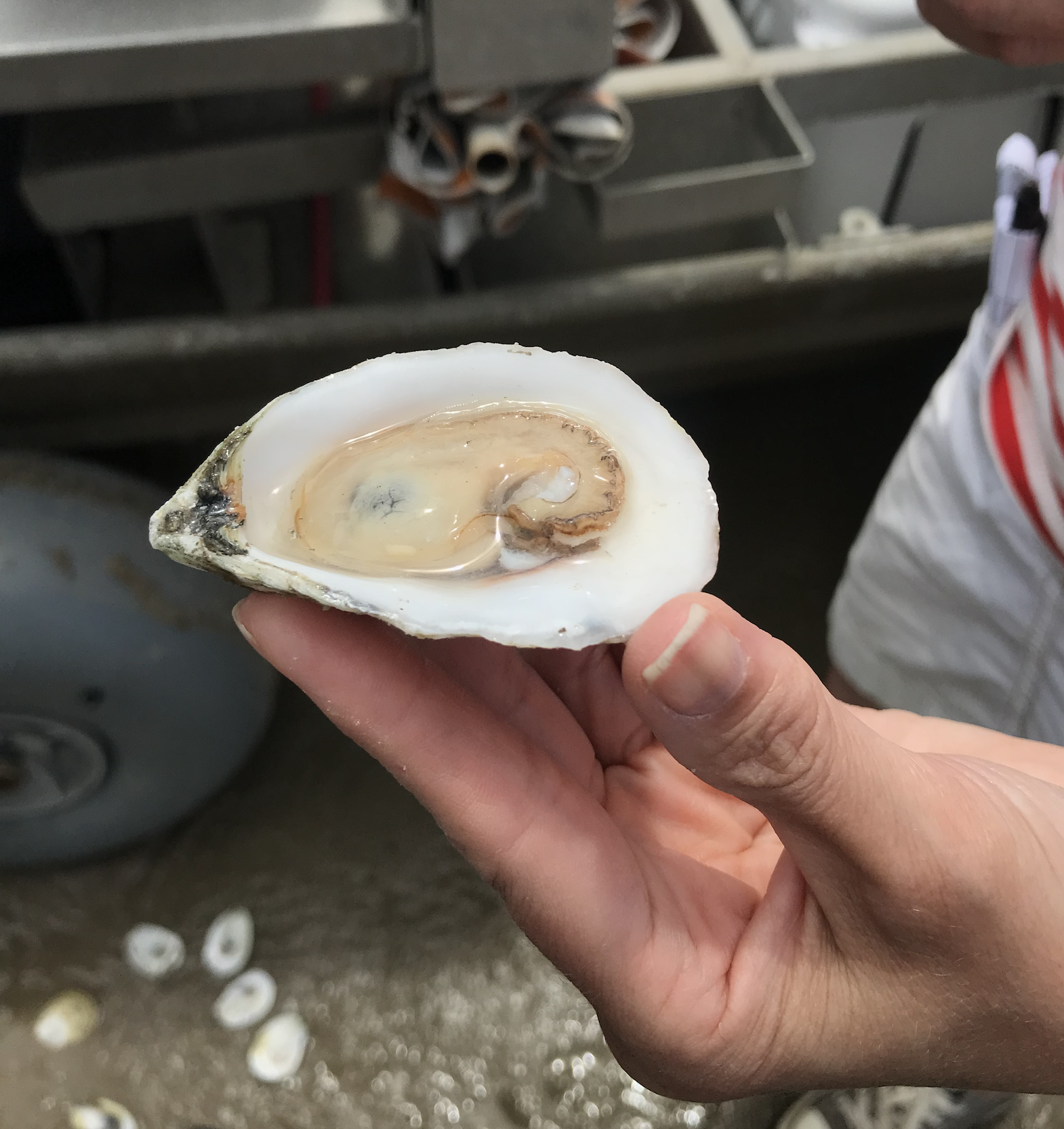
The more I look into oysters, the more they resemble a kind of quiet genius: no brain, no mobility, no drama, but they protect coastlines better than concrete and purify water better than most machines. They’re the overlooked engineers of the sea, these creatures who never move and yet transform the world.
We Owe Them
Overharvesting, pollution, warming oceans, and habitat destruction have wiped out nearly 85% of the world’s oyster reefs.
But restoration efforts are working with recycled shells used as new reef foundations. There are some large-scale hatcheries reseeding bays out there, and sustainable aquaculture replacing wild depletion. Some coastal communities are even planting reef “gardens”. I, personally, always thought as soon as I built my fortune (still upcoming, don’t get too excited), I would start my own oyster farm.
Every reef rebuilt is a victory for water quality, biodiversity, shorelines, and the future. When we protect oysters, we protect ecosystems far larger than they are.
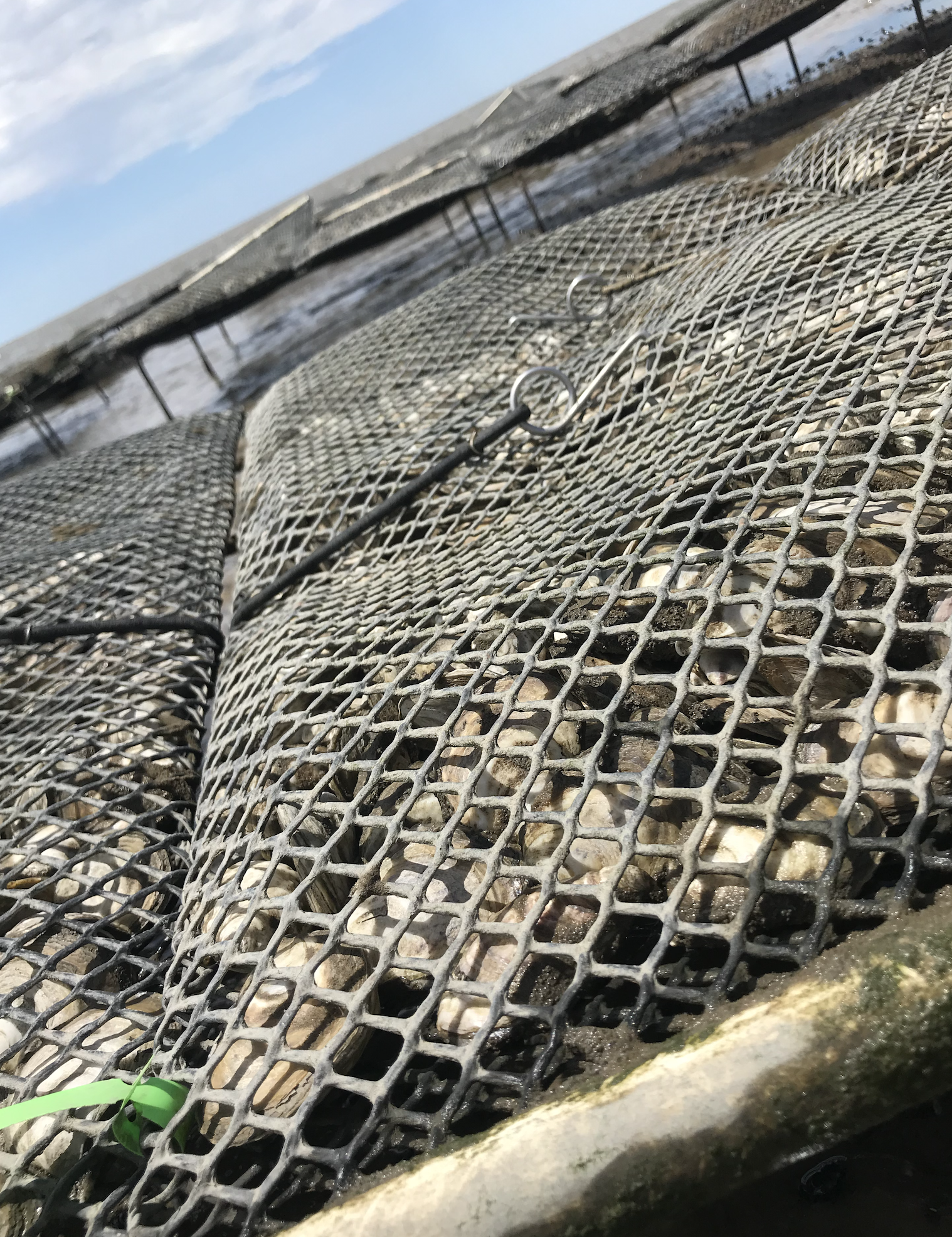
Oysters are a contradiction, which I absolutely love. They’re delicate but durable through the hardest of environments. Oysters are immobile, yet world-changing, and ancient but crucial to the future.They’re proof that complexity doesn’t even require movement, sometimes the most powerful beings are the ones that simply stay and transform the world around them. There’s definitely a metaphor here I’m going to latch onto (ha), and just try to inspire you to stick with whatever idea it is you already are working on before jumping to the next thing.
The next time you lift an oyster to your lips, know this: you’re tasting not just the ocean, but a life spent filtering, cleaning, sheltering, and holding the sea together.