Gardening From Groceries: Growing Food from Kitchen Scraps
Three years ago, I was standing at my kitchen sink after making guacamole when I found myself staring at the avocado pit instead of throwing it away. Money was tighter than I wanted it to be back then, and grocery shopping had become one of those activities that somehow left me feeling stressed before I even reached the checkout line. Every trip seemed more expensive than the last and I was already stretching leftovers, finding new uses for things around the house, and trying to squeeze a little more value out of everything I bought. For whatever reason, that avocado pit suddenly looked less like trash and more like possibility.
A few minutes later it was suspended over a mason jar with toothpicks stuck through the sides, turning my kitchen windowsill into a science experiment. I didn't have some grand vision of growing an avocado tree…I mostly just wanted to see if it would work. Then, like most gardening projects, it immediately tested my patience.
The truth of the matter is: nothing in this world grows fast enough for me. I certainly don’t, my plants don’t, and none of my projects do. The beauty of life though, is that time is going to pass if you do anything with it or not.
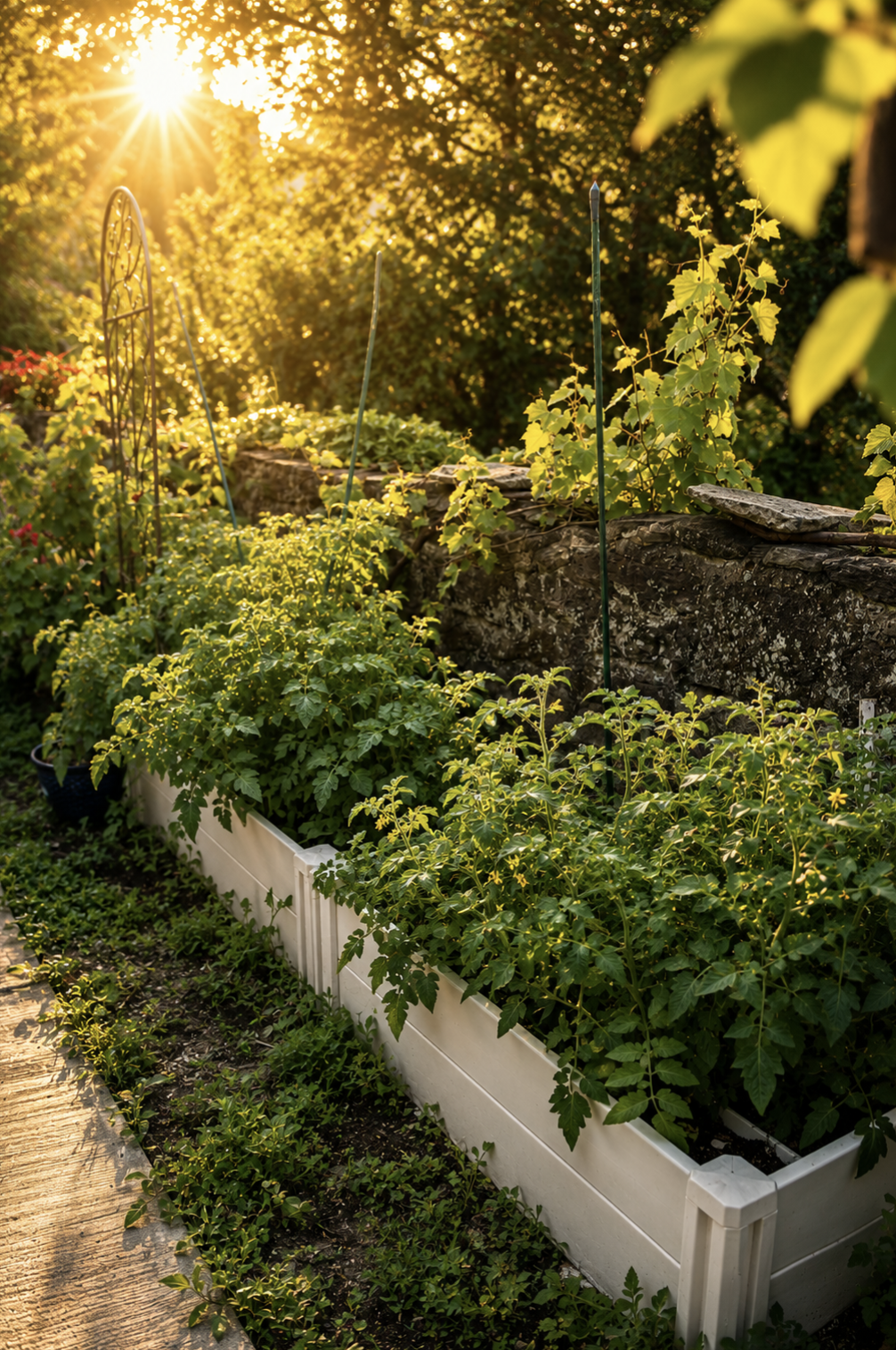
My YouTube channel Gardening From Groceries, I started three years ago, although I only worked on it for about a month before leaving it alone. This YouTube is obviously very seasonal. It was less about creating polished content or chasing views and more about survival mode turned into a project. I honestly love growing plants so much, and this was a little challenge for myself. I picked up my phone, hit record, and started filming the avocado pit exactly as it was, roots first, then the slow unfurling of leaves, the moment it finally outgrew the jar and moved into soil. I had no idea if anyone would watch, but I needed the record for myself. I needed proof that something could still grow when everything else felt like it was shrinking.
Three years later, I’m only at 79 videos but have 210 subscribers, which isn’t too bad. The channel now has a few years of experiments behind it, and the financial pressure that started it all hasn’t magically disappeared. Groceries are still expensive, life is still expensive, but those little kitchen-scrap plants have become a steady, grounding part of how I navigate the tightness.
They save money in small but real ways, but I think it’s more important that they give me something green and alive to tend when the news feels heavy. Resilience can start with something as ordinary as a grocery-store avocado.
The First Experiments and What They Taught Me
I've also learned that not everything from the grocery store wants to grow. Some seeds sprout eagerly while others seem completely uninterested in participating. Over time I learned that many commercial fruits are bred, harvested, or treated in ways that can reduce how well the seeds germinate. That's why one peach pit might become a tree while another sits in a pot for months doing absolutely nothing. Part of the fun (and frustration) of Gardening From Groceries is never quite knowing which scraps are secretly full of life and which ones are finished with their journey.
The avocado pit was my gateway plant, but I’ve come a long way since then. I documented every stage at first, the first white root hairs, the split in the pit, the tiny stem that looked too fragile to survive. Then came dragon fruit crowns. I bought one on sale because it was overripe and figured I could at least try. Within weeks it was sending out roots in a shallow dish of water. I still have one that’s about three years old in my house.
Peach stones came next, and those hard, stubborn things needed weeks of cold stratification in the fridge before they would even think about sprouting. Finger limes, longan seeds, honeydew rinds, sugar snap pea vines…the list grew with every grocery run.
Each experiment taught me something different. The avocado showed me patience because roots can take weeks before anything visible happens above the surface. The dragon fruit taught me about light with the less on too little and it stretches, too much direct sun and it scorches. The peach stones reminded me that some things need a period of dormancy before they wake up, just like people do after hard seasons.
I filmed it all in real time mostly because I didn’t know how to do anything fancy (one day maybe!). There are no time-lapse tricks and no perfect lighting setups. My phone propped against a jar or a windowsill does just enough to make it a real thing, and voice-over explaining in CapCut for free is where I just tell what I was seeing and what I was hoping for. The videos are raw because my life is raw. I don’t like all the ragebait nonsense on the internet or the crazy AI videos, so here I am. Every time a new leaf appears, it felt like a small victory I could share with people out there who are struggling.
The Sommelier Twist That Sneaked Into the Garden
Of course I couldn’t leave my love of wine completely out of it.
I grow a Riesling vine that’s been around for a decade now. It grows grapes every year and I’ve been trying to save the seeds that I’ll eventually replant. I also started experimenting with leftover wine as a gentle fertilizer, diluted heavily so the alcohol wouldn’t harm the roots but the potassium and trace minerals could still feed the soil. Rice water, the starchy leftover from rinsing rice before cooking, became my go-to for a boost of beneficial microbes and nutrients. Both are things I already had in the kitchen, so they fit the zero-extra-cost rule perfectly.
I even began thinking ahead about pairings. What would a homegrown finger lime taste like in a gin and tonic? How might fresh dragon fruit pair with a crisp Sauvignon Blanc once the plant finally fruited? Those questions turned into short segments in some videos, and even some blog posts. The crossover felt natural because I love both gardening and wine equally. Hence my last post pairing wines with things growing in my garden this year.
Real Savings, Real Challenges, and Why It Still Matters
Numbers are what started this whole thing in the first place, but three years ago I began keeping loose track of what the experiments saved. One avocado plant grown from a pit eventually produced enough leaves to shade a windowsill herb garden that would have otherwise needed store-bought starters. No, I haven’t gotten an avocado from my tree yet, but maybe one day.
Sugar snap pea vines from grocery-store pods have yielded multiple harvests in pots on the patio as well as in my backyard garden. None of it is enough to live on of course, but every avoided purchase adds up. Every year I save more and more seeds until my seed drawer is bursting to fullness then I try to plant more and save even more of the seeds. There’s something deeply satisfying about feeling independent enough to grow your own food then save the seeds for next year and grow them again.
The challenges are real, of course, and I mentioned that not every scrap grows. Some rot or some stall. I’ve had peach stones sit for months with nothing happening at all. I’ve lost plants to overwatering or sudden temperature drops. The videos show the failures as well as the wins because that’s the honest part of gardening when you’re doing it on a budget. You learn by watching what doesn’t work.
The mental shift is even bigger than the financial one though. When money feels tight, it’s easy to feel powerless. Tending these plants gave me something I could control and nothing hits like a blueberry that you grew yourself. I could adjust the water, move the jar closer to the light, try a different method next time, and I really didn’t lose anything because I was going to eat the groceries anyway. The channel became my record of small, consistent acts of care in the middle of uncertainty.
How to Start Your Own Kitchen-Scrap Garden
If you’re reading this and thinking about trying it yourself, here’s exactly how I approach every new experiment.
First, choose something fresh from the grocery store that still has living tissue like avocado pits, dragon fruit tops with a bit of flesh attached, peach or plum stones, the crown of a pineapple (though those take longer), or even the base of green onions or celery.
For avocados: wash the pit, suspend it in water with toothpicks so the bottom half is submerged, and place it in bright indirect light. You can also put it into a paper towel in a plastic bag if you want. I’ve found this method probably the easiest for myself. If you do suspend it with toothpicks, change the water every few days. Roots usually appear in two to six weeks. Once they’re a couple inches long and you have a stem with leaves, transplant carefully into soil.
Peach stones and cherry pits need cold stratification, so be sure to look up whatever it is you’re growing to see if they need to chill in the fridge a little before you plant them. If they do, wrap in a damp paper towel, put in a bag in the fridge for a month or more, then plant in soil and keep consistently moist. Check on it every once in a while to make sure it’s not growing mold. I film each step so you can see the exact timing and what the plant looks like at every stage. A jar, some water, a windowsill, and patience are normally enough to start.
There’s real biology at work here. Many grocery-store fruits and vegetables are harvested before they’re fully mature, but the seeds and growing points inside them are still viable. An avocado pit contains an embryo and stored nutrients that can support early growth. Dragon fruit stems have meristem tissue capable of rooting. The key is mimicking the conditions the plant would naturally encounter like moisture, light, sometimes a cold period. I like to think that’s why my orchids do so well, they’re from a rain forest, so I water them daily.
I’ve read studies on adventitious rooting and epigenetic responses that explain why some scraps bounce back so vigorously. I won’t bore you with the details of it, but it’s the same principle behind tissue culture in labs, just happening on my kitchen counter. Understanding a little of the science sometimes takes away the magic of it, so I pretend not to know too much anyway.
What’s Next for Gardening From Groceries
The financial tightness that started this project hasn’t vanished (have you gone to the grocery store lately?!), but the channel has become something bigger than just a money-saving hack. I want to keep expanding the experiments with more tropical fruits, and more ways to use wine and rice water, maybe even some small-scale outdoor transitions for people with tiny patios. I want to keep the content honest with the failures, the slow weeks, and the unexpected wins.
Most of all, I want it to stay a place where anyone feeling the squeeze can come for practical ideas and a little reminder that growth is still possible even when resources feel stretched to the limit.
If you’ve ever looked at a kitchen scrap and wondered what would happen if you gave it a chance, this channel is for you. It’s not perfect or polished, so don’t expect it to be, but it’s real life, week by week, from someone who started it because money was tight and kept it going because it still matters. You can find it here: https://youtube.com/@gardeningfromgroceries.
I’ll keep writing here on the blog about the bigger garden stories, the wine side of things, the science, and the wonder. Now though, you can also watch the plants grow in real time, from grocery bag to garden bounty.
When times are hard, growing something from almost nothing still feels like a small but meaningful act of hope. Who knows, that next avocado pit on your counter might just be the start of your own little edible jungle.
Other Reads You Might Enjoy:
The Secret Life of Soil: Why Healthy Dirt Might Be Smarter Than You Think
The New Garden Revolution: Growing with Companion Microbes Instead of Chemicals
10 Plants You Can Grow Indoors Year-Round (Even If You Don’t Have a Green Thumb)
The Whispering Cure: Limewashed Trees, Natural Pesticides, and the Disappearing World of Insects
The Quiet Giants: Why Trees Are More Valuable Than Diamonds (and Always Have Been)
Airborne Seeds and Invisible Roots: The Poetry of Floating Agriculture
How the Brain Reacts to Light Pollution: What Happens When We Forget the Night