How Sugar Affects Your Immune System (And What You Can Do About It)
If you’re anything like me, you end up reaching for nerds, Sour Patch Kids (watermelon is best), or cookies at 2am after you get done working your shift.
Okay, maybe you don’t work night shifts, but the truth is, we all love cookies, and brownies, and cinnamon rolls the size of our face for breakfast some mornings.
But have you ever noticed how you feel after a sugar binge?
Maybe a little foggy, sluggish, or just…off? Turns out, it’s not just in your head.
Science has been quietly confirming that sugar isn’t just hard on our waistlines, it’s also giving our immune systems a bit of a smackdown.
Perfect, right?
Nothing like being kicked in the face when you’re already down.
So let’s talk about it without any kind of judgement and none of that "never eat cake again" nonsense.
Just the real deal on how sugar affects your body's first line of defense, and some easy swaps and habits to help you stay strong (and still enjoy your life).
What Your Immune System Actually Does
Let’s keep it simple to start and recap what you might already know (I won’t be long, I swear).
Your immune system is basically your body’s personal security team that’s made up of cells, tissues, and organs that work together. They fight off bacteria, destroy viruses, and attack anything it thinks is a threat (including weird mutant cells or your own body if you have an autoimmune disease).
The key players are your white blood cells.
These little strong warriors circulate through your body looking for trouble, and when they find it, they sound the alarm and neutralize the enemy. They’re basically the superheroes of your bloodstream…or my husband (Pro Wrestler and Bodybuilder).

How Sugar Messes with the Process
I’m going to make this as simple and easy as possible, so don’t come for me and tell me all the things I’m missing, please! Basically, when you eat a lot of sugar, your white blood cells go from "ready for battle" to "taking an unscheduled nap."
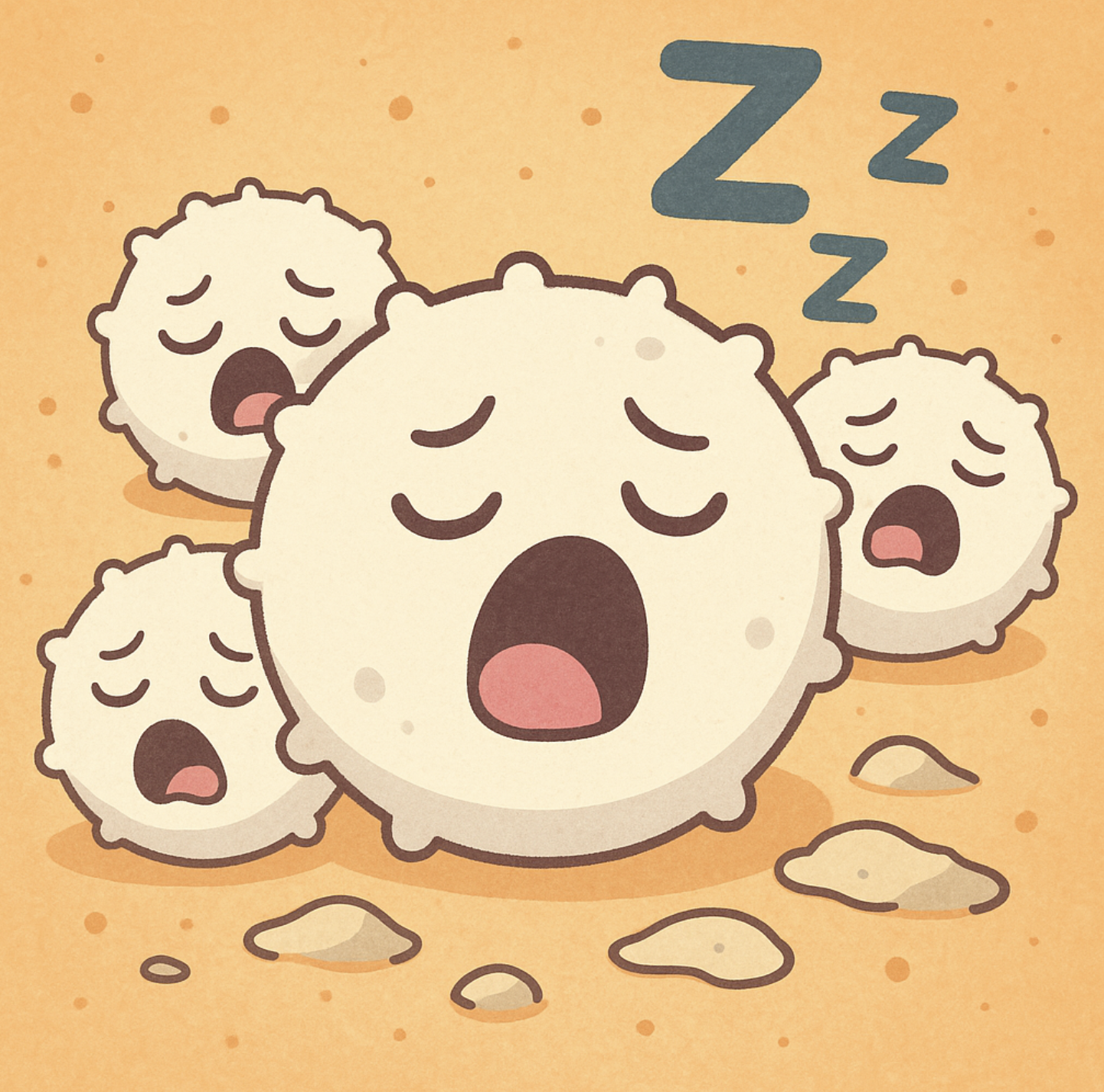
Recent studies have found that after eating a large amount of sugar, your white blood cell activity drops by up to 50%, and unfortunately this suppressed function can last up to 5 hours after you eat it.
Five! Whole! Hours!!
My own translation of this is that if you start your day with a donut breakfast, you're giving viruses and bacteria a better shot at setting up shop until lunchtime.
Why Does Sugar Do This?
Google seems to believe that excess sugar floods your bloodstream and actually interferes with the ability of white blood cells to engulf and destroy bacteria. It’s a process called phagocytosis (which sounds fancy but just means "gobbling up invaders").
Think of it like sugar coating the gears in your immune machine. Everything slows down, gets gummed up, and the bad guys can slip through.
Real-World Effects You Might Notice
Here’s where it gets relatable, you might feel more tired after eating a sugary meal. You might have noticed slower recovery from colds or even little paper cuts on your hands or feet.
If you’re stressed or already feeling run down, sugar could make it even easier to get sick on top of the elevated cortisol levels you’re probably sporting.
And during cold/flu season, or, say, in the middle of a pandemic (hello, COVID-19 hell)? Probably not the time we want our immune systems dozing off and taking naps.
How Much Sugar Is “Too Much”?
The truth is, no matter how much I Google, I can’t find a real consistent number. Everyone seems to have their own opinions, and I get the general idea, which is more sugar = bad.
According to the American Heart Association, women should limit added sugars to 25 grams per day (~6 teaspoons), and men should aim for 36 grams per day (~9 teaspoons).
First reality check: one can of soda has about 39 grams of sugar. That’s more than a full day's worth in one drink for both men and women.
Second reality check: unfortunately for me (I’m a lady), I shouldn’t be consuming as much sugar as my husband. Now, I won’t lie to you, those roles are reversed in my house.
Sneaky places added sugar hide in plain sight include in flavored yogurts, granola bars, salad dressings (this one is really bad), pasta sauces, or coffee shop "healthy" smoothies.
It's not just about candy, sugar is lurking in all the fun places you’d never expect.
Related Read: The Great Salad Lie: Is Your Healthy Meal Making You Sick?
Ways to Support Your Immune System (Without Living Like a Monk)
Good news is that you really don’t have to give up dessert forever, not that I would ask you to do such a horrible thing. Moderation plus smart habits = power.
Here’s what helps a lot:
Balance your meals better. Mix up your carbs with protein and healthy fats. For example: apple slices + peanut butter or banana + handful of almonds. This helps keep your blood sugar from spiking (and then crashing).
Choose natural sweetness whenever possible. Fresh fruit is your friend, try honey or maple syrup sparingly instead of using refined sugar. See my blog post about switching to natural sweeteners for a better idea of other alternatives!
Bonus: fruit also delivers fiber, vitamins, and antioxidants.
Stay hydrated, for the love of god! Water helps flush toxins and keeps immune cells working, when even mild dehydration can slow down your body’s defenses.
Sleep like it’s your job, your passion, and your hobby all in one. Aim for 7-9 hours a night. (Good luck if you’re like me!) Sleep deprivation = stress on your immune system.
Move your body because even moderate exercise (like walking) boosts your immune function. Overdoing it, though, can suppress immunity temporarily (so don’t go run a marathon after two years on the couch).
Stress less…if you can. Chronic stress = chronic inflammation = suppressed immunity. Meditate, stretch, doodle, hug your dog more, whatever helps you chill.
Natural Immune Boosters That Actually Help
You don’t need a thousand-dollar supplement plan. Simple stuff works:
Vitamin C: Found in oranges, strawberries, bell peppers.
Zinc: In seeds, nuts, meat, and beans.
Vitamin D: Sunshine! (And fortified foods or a quality supplement.)
Elderberry: Some studies show it may reduce the duration of colds.
Probiotics: Yogurt, kefir, sauerkraut, good gut health = good immunity.
One of my favorite easy boosts? A simple Vitamin C immune gummy you can pop daily. (As I posted this link Amazon reminded me I have bought these 11 times!)
What About During Cold and Flu Season?
It’s extra important to limit your sweets (especially right before heading into crowds), stay on top of sleep and hydration, and load up on fruits, veggies, and good fats (think avocados, olive oil, nuts).
That way, even if you do indulge at a Halloween party (because duh), you’re not starting from zero.
Can You “Detox” Sugar’s Effects?
Kind of, yes…but it’s more like giving your body a reset.
Helpful "detox" moves are basically just drink plenty of water, eat fiber-rich meals (like salads with lots of veggies), go for a walk to help regulate blood sugar, and skip those sugary snacks for the next day or two to let your system recalibrate.
No need for crazy juice cleanses or $99 "detox teas", those are really just a bunch of marketing genius. Your body knows what to do, you just have to stop throwing curveballs at it.
Knowledge is Power (and Cookies Are Still Delicious)
Here’s the thing: you’re not doomed if you eat a cupcake.
Sugar isn’t the ultimate evil scheming to take over the world (thank god!), but knowing how it impacts your immune system gives you the ability to make smarter choices, especially when staying healthy matters most.
Think of it more like armor, you want your body’s defenses fully armed and ready. If that means skipping the third donut sometimes, it’s probably worth it.
And hey, when you do go for the cake? Enjoy every bite, then just balance it out with a little extra water, sleep, and vitamin C.
Your immune system will thank you.